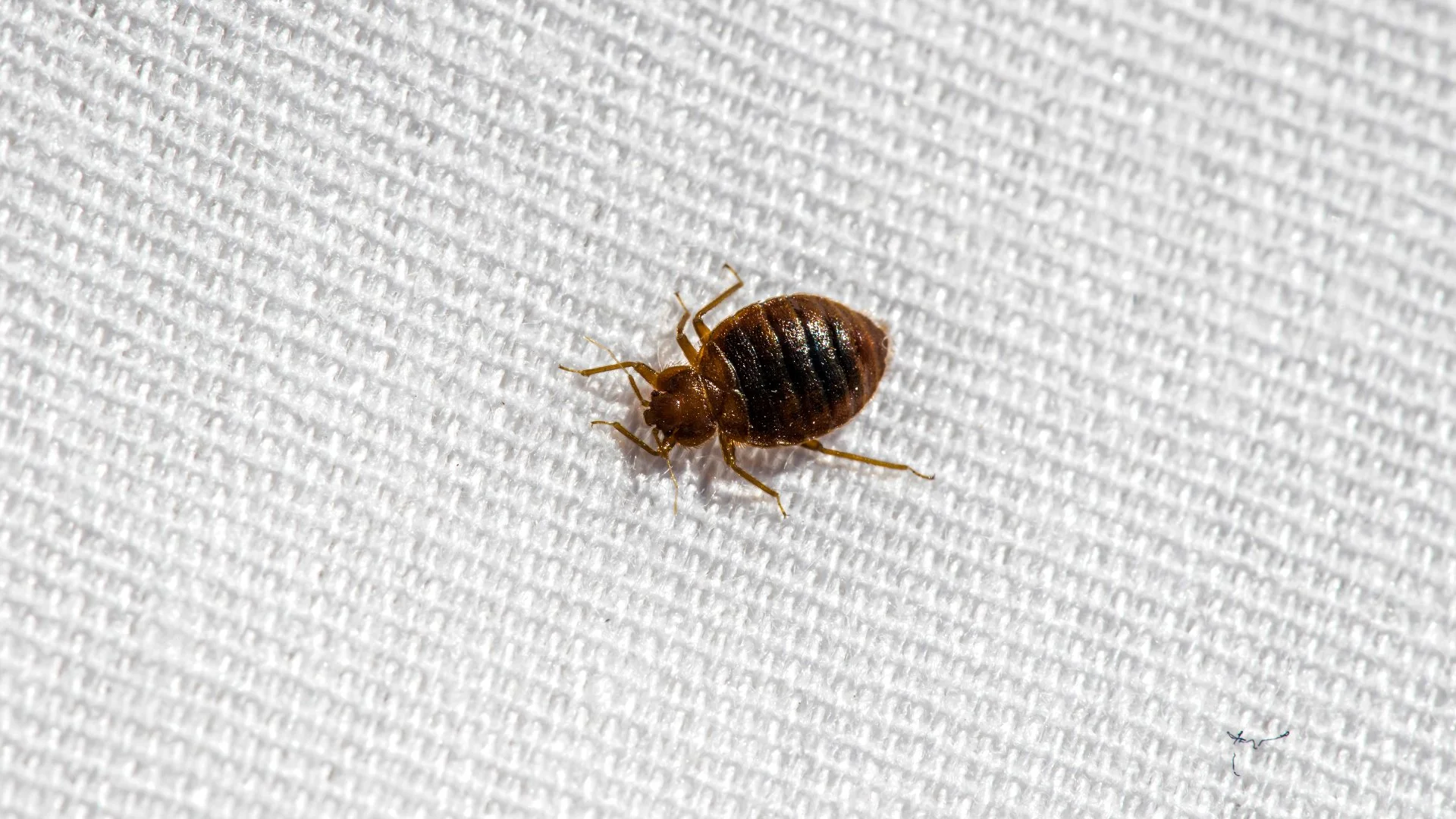
Bed Bug Heat Treatment Prep Realities for Families
Heat remediation kills bed bugs only when air reaches harborage temperature behind baseboards, inside dense clutter, and along shared walls in townhomes.
This article walks prep realities for families in DFW without promising a single afternoon fixes every unit on the same bed bug control plan.
What heat must reach to work
Professional heat cycles target lethal temperature inside mattress seams, sofa folds, and outlet-adjacent voids. Thin clutter or blocked airflow can shield bugs behind book boxes and crib rails.
North Texas slab-on-grade rooms with heavy area rugs need rugs lifted or staggered treatment so heat reaches tack strip zones along carpet edges.
Technicians should explain which rooms run on which day when home layout blocks fans from reaching secondary bedrooms down a hall.
Family schedules and safe reentry
Heat days require families, pets, and heat-sensitive valuables out of treated zones for longer than a standard daytime errand. Childcare and work plans should assume a full day per heavy infestation area.
Candles, wax decor, aerosol cans, and certain medications belong on a remove list shared before arrival. Store them in a garage bay or neighbor garage labeled by room so return sorting stays sane.
Reentry times depend on cool-down, not only when heaters shut off. Summer attic heat bleeding into upstairs bedrooms can extend wait windows even when main floors feel comfortable.
Delicates, electronics, and instruments
Guitars, vinyl collections, and vintage electronics need staged removal plans that heat vendors document in writing. Assume anything uncertain leaves the structure during the active cycle.
Photos and heirlooms in closed frames may tolerate heat when spread for airflow; packed albums in stacked boxes often do not. Sort by box density, not only by sentimental priority.
Laundry bags of clean clothes should be heat-treated or sealed and isolated after service. Reintroducing unprocessed bags restarts the story within a week.
Attached housing and neighbor coordination
Townhomes and duplex rows share wall voids bed bugs use after one unit treats. Property managers should notify adjacent leases before heat fans run so no one stores luggage against shared walls mid-cycle.
HOA hallways and elevator banks matter when residents move mattresses for prep. Coordinate lift times so infested items do not pause on common carpet.
Document unit numbers, shared wall orientation, and prior chemical attempts on the same ticket. Heat success in one half of a row often fails when neighbor clutter shields the same line.
After heat: encasements and monitoring
Mattress and box spring encasements belong on the schedule before residents sleep in treated rooms again. Encasements trap stragglers and make future inspection visual instead of guesswork.
Interceptor cups under bed legs and sofa feet should stay in place for six to eight weeks with dated weekly checks. Families should log finds before declaring victory.
Follow-up bed bug control visits should state whether monitors caught adults or only shed skins. Skins alone still justify targeted touch-ups along the original harborages.
When to choose integrated options
Severe hoarding, heavy insulated attics used as storage, or structural voids beyond fan reach may need combined tools. Heat remains the anchor, but targeted follow-up belongs on the same written plan.
Travel-heavy households should pair completion with luggage protocols and entryway bench habits so reintroduction does not mimic treatment failure.
Use contact us with room photos, furniture list, and housing type before booking heat so prep hours match real family capacity across DFW.
Clay soil, fence lines, and irrigation habits on North Texas lots change how the same pest sign should be interpreted across Plano, Frisco, McKinney, Arlington, and Fort Worth. Record moisture, traffic paths, and recent landscape work before the service plan is set.
Clay soil, fence lines, and irrigation habits on North Texas lots change how the same pest sign should be interpreted across Plano, Frisco, McKinney, Arlington, and Fort Worth. Record moisture, traffic paths, and recent landscape work before the service plan is set.
Clay soil, fence lines, and irrigation habits on North Texas lots change how the same pest sign should be interpreted across Plano, Frisco, McKinney, Arlington, and Fort Worth. Record moisture, traffic paths, and recent landscape work before the service plan is set.
Disclaimer: This article is for general informational purposes only. It is not professional advice, a quote, or a service agreement. Conditions at your home or property may differ; contact a qualified professional for an on-site evaluation before making repair, safety, or spending decisions.