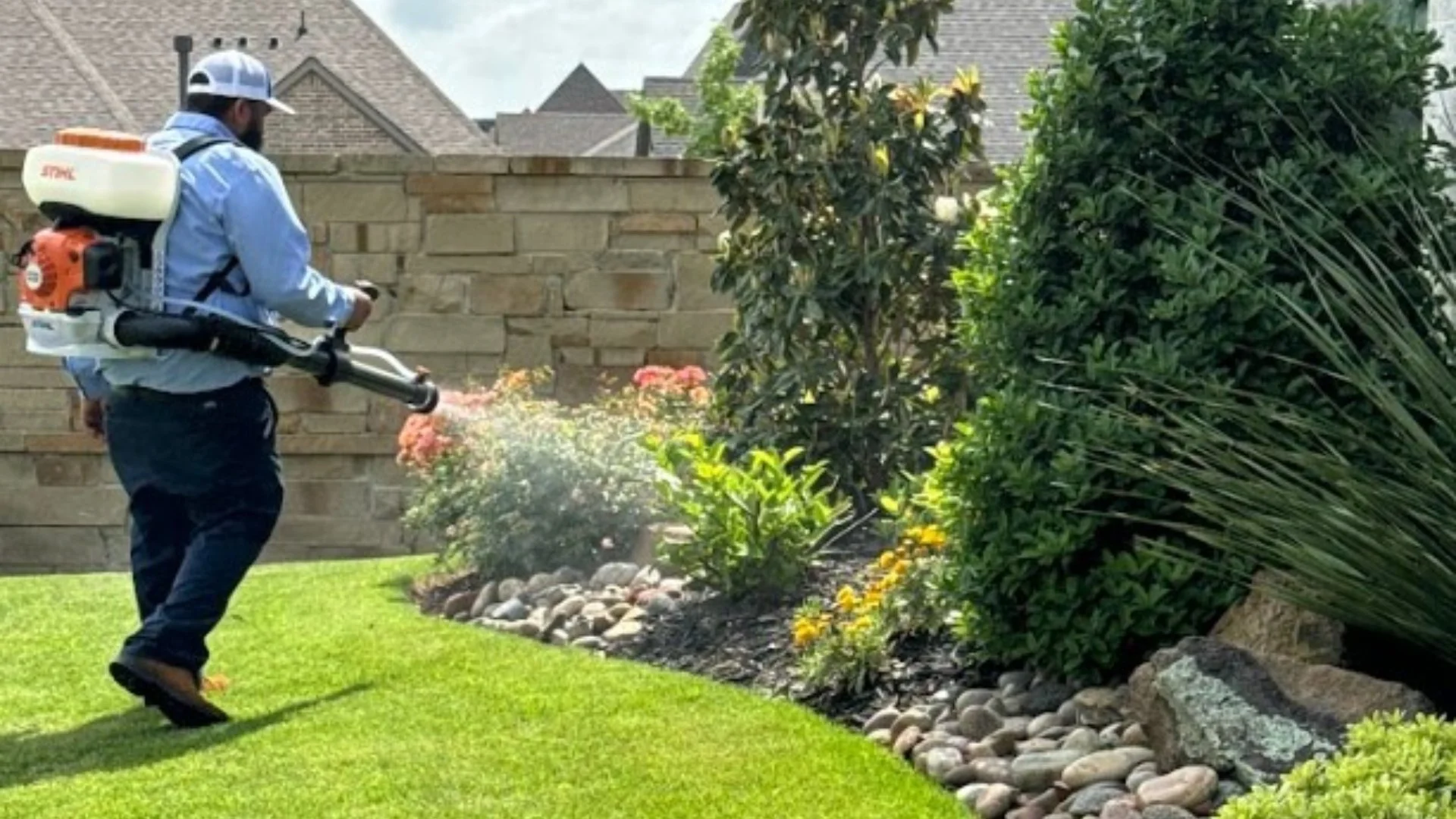
Picking the best grass for Texas gets confusing fast because a lawn that looks great in one neighborhood can struggle just a few miles away. Your yard in Waco, Dallas-Fort Worth, or Cedar Creek has its own mix of sun, shade, soil, and wear, and that matters more than the label on a seed bag.
How to pick the best grass for your texas yard
There is no single perfect grass for every Texas yard. That is the honest answer. The right choice depends on how much direct sun your lawn gets, how often you water, how hard the space gets used, and how your local soil and weather behave through summer heat and winter cold.
A front yard can sit in full afternoon sun and bake like a parking lot, while a backyard under mature trees stays cooler and thinner. Same address, totally different lawn conditions. If you choose one grass based only on looks, you can end up fighting brown patches, thinning areas, or constant repair.
Start with your yard, not the seed bag
Here’s the thing: grass does not care what sounded good at the garden center. It responds to actual conditions. If part of your lawn gets eight hours of direct sun and another part gets only three, those areas may need different expectations, or even different turf choices.
Before buying anything, notice the basics. Watch where water sits after rain. Pay attention to the dog’s favorite running path. Look at where tree shade lands at 3 p.m. in July. Those details will tell you more than the marketing on the package.
Texas conditions that matter most
Heat tolerance means the grass can handle long, hot stretches without burning out. Drought tolerance is about how well it holds up when watering drops off. Shade tolerance tells you how much reduced sunlight it can take before it starts thinning.
Foot traffic matters if your lawn gets used for play, pets, parties, or daily walking. Maintenance needs cover mowing, feeding, edging, and repair. Cold snap tolerance matters in places like Dallas-Fort Worth, where a hot summer lawn still has to survive a winter surprise.
Best grass types for texas lawns
Most Texas lawns end up comparing Bermuda, St. Augustine, and Zoysia first, for good reason. Those are the grasses that fit a lot of common yard conditions. Buffalograss and a few niche options can also make sense, but usually for more specific goals.
Bermudagrass
Bermuda is one of the strongest picks for sunny Texas lawns. It loves heat, spreads fast, and bounces back well from kids, pets, and regular use. If your yard gets a lot of direct sun and you want something durable, Bermuda deserves a hard look.
The catch is simple: Bermuda wants full sun. In shady areas, it often gets thin and weak. It also grows fast, which is great for recovery but means more mowing during peak season.
St. augustinegrass
St. Augustine works well if your yard has meaningful shade and you want a thicker, softer look. It is a common choice in many Texas neighborhoods because it fills in with a lush appearance that people like right away.
But it asks more from you. It usually needs more water than Bermuda, can be more prone to disease and pest issues, and does not handle heavy traffic as well. A lawn can look beautiful with St. Augustine, but repeated wear will show up faster.
Zoysiagrass
Zoysia sits in the middle. It offers a dense, attractive lawn, handles some shade better than Bermuda, and usually looks more refined than a rougher utility turf. If appearance matters but your yard still needs some resilience, Zoysia often lands in the sweet spot.
The downside is speed. Zoysia establishes more slowly, usually costs more upfront, and does not recover from damage as quickly as Bermuda. It rewards patience, not shortcuts.
Buffalograss
Buffalograss is a smart option if your main goal is using less water and keeping maintenance lighter in a sunny area. It has a more natural, less manicured look, which can work really well on larger lots or spaces where you do not need a polished show lawn.
That same relaxed look is the tradeoff. If you want a dense, formal lawn near the front walk, Buffalograss may feel too loose. It also is not the best fit for heavy foot traffic.
Centipedegrass and other niche options
Centipedegrass can work in some lower-maintenance situations, though it is less common in much of Texas. Seashore Paspalum is better known in salty or coastal conditions. Bahiagrass handles tough sites but tends to look coarser. Tall Fescue is a cool-season grass, so it usually struggles through large parts of Texas summer unless conditions are unusually favorable.
That is why most lawns in Waco, Dallas-Fort Worth, and Cedar Creek still come back to Bermuda, St. Augustine, and Zoysia. Those are usually the most practical starting points.
Which grass fits your part of texas best
Texas is too big for one-size-fits-all lawn advice. Climate, soil, and lot style shift enough from one area to another that local fit matters.
Best grass for dallas-fort worth yards
Dallas-Fort Worth yards often deal with hot summers, clay-heavy soil, lots of full-sun lots, and occasional winter cold. In those conditions, Bermuda is often the strongest fit for sunny lawns because it handles heat, wear, and recovery so well.
If your yard has real shade from mature trees or close-set homes, St. Augustine or Zoysia can make more sense. Zoysia often works well if you want a balance between appearance and durability.
Best grass for waco lawns
Waco lawns sit in serious Central Texas heat, and drought stretches are not rare. Bermuda usually fits well because it handles sun, heat, and lower water better than many alternatives.
Buffalograss can also be a strong option if you want a lower-input lawn, especially in open sunny spaces. For shade, Zoysia or St. Augustine can work, depending on how much upkeep you are willing to take on.
Best grass for cedar creek properties
Cedar Creek properties often include bigger lots, wider sunny areas, and a mix of tidy residential turf and more open, rural-style lawn space. That makes lower-input choices appealing, especially farther from the house where constant watering and mowing get old fast.
Near the home, Bermuda, St. Augustine, or Zoysia can still make sense. But on larger sunny properties, Buffalograss or another less thirsty option may be easier to live with.
What to compare before you buy
A good grass choice comes down to matching features with daily reality. Looks matter, sure, but function matters more.
Sun vs. shade
Sunlight is often the make-or-break factor. Bermuda and Buffalograss want lots of direct sun. St. Augustine handles shade better. Zoysia falls somewhere in between.
Do not judge the whole lawn as one zone. Your front yard, side yard, and backyard may each have different light patterns, and your grass choice should reflect that.
Water needs and drought tolerance
If you want to keep irrigation lower, Bermuda and Buffalograss are usually stronger options. St. Augustine often needs more support during long hot stretches, especially if you want it to stay looking full and green.
This is not just about plant survival. It is also about your summer water bill and how your lawn holds up during restrictions.
Traffic, pets, and daily use
Some grasses look great until real life hits them. Bermuda handles wear and recovers quickly, which makes it a favorite for active lawns. Zoysia can take moderate use, but recovery is slower. St. Augustine is more likely to show damage from repeated traffic.
If your dog runs the same fence line every day, choose for recovery, not just appearance.
Maintenance: mowing, feeding, and repair
Low maintenance sounds simple, but it usually means making tradeoffs. Bermuda needs frequent mowing because it grows aggressively. St. Augustine may mean more watering and closer attention to disease or pests. Zoysia can look fantastic, but repair takes time. Buffalograss can reduce water and mowing, though the look is less formal.
The best choice is the one your schedule and budget can actually support.
Best grass for common texas lawn goals
Sometimes the easiest way to decide is to start with what you want most.
Best for full sun and heavy traffic
Bermuda is the clear leader here. It thrives in Texas heat and handles hard use better than most other common lawn grasses.
Best for shade
St. Augustine is usually the top pick for shadier Texas yards. Zoysia is a solid second choice if you want a balance of looks and durability.
Best for low water use
Buffalograss and Bermuda are strong options if cutting back on irrigation matters. The choice comes down to whether you want a more natural look or a tougher, more athletic lawn.
Best for a softer, more upscale look
Zoysia and St. Augustine are often the grasses chosen when curb appeal matters as much as toughness. Both can give your yard a fuller, more finished feel.
Best for lower maintenance
Buffalograss often wins on lower water and less mowing. Bermuda can also be practical, but only if you are fine mowing more often. The trick is that low watering, low mowing, and low repair do not always come bundled together.
Mistakes to avoid when choosing grass in texas
A lot of lawn regret starts with one rushed decision.
Picking for looks alone
A grass can look amazing in a display or on a freshly installed lot and still be wrong for your yard. If the sun, shade, and water conditions do not match, looks fade fast.
Ignoring soil, drainage, and existing shade
Heavy clay, soggy low spots, and big trees can quietly wreck a grass choice. If water stands after rain or roots compete for moisture, your turf has to be chosen with that in mind.
Choosing one grass for every part of the yard
Different zones often behave like different lawns. A sunny front yard and shaded backyard do not always need the same solution, and pretending they do usually leads to weak spots.
Underestimating upkeep
Some grasses ask for more mowing, more water, or more treatment than your routine can support. Be honest here. A good lawn plan should fit your real life.
Sod, seed, or plugs: the best way to start your lawn
Once you know the grass type, the next choice is how to get it established.
When sod makes the most sense
Sod gives you quick results, stronger weed competition, and a cleaner finish right away. It is often the best option for visible front yards, erosion-prone areas, or spots where you want the lawn to look finished fast.
When seed or plugs can work
Seed can be practical for some grasses, especially Bermuda. Plugs are common for grasses that do not usually get started from seed as easily in home lawns. They cost less upfront than sod, but filling in takes longer and demands patience.
Timing your install in texas
Warm-season grasses usually establish best when planted during active growing weather, not right before brutal summer heat or winter dormancy. Timing matters more than most people expect. A good grass installed at the wrong time can struggle from day one.
Quick-reference grass matchup for texas
| Grass Type | Sun Need | Drought Tolerance | Shade Tolerance | Traffic Tolerance | Maintenance | Best Use |
|---|---|---|---|---|---|---|
| Bermuda | High | High | Low | High | Moderate to high | Sunny, active lawns |
| St. Augustine | Moderate | Moderate | High | Moderate to low | Moderate | Shadier residential lawns |
| Zoysia | Moderate to high | Moderate | Moderate | Moderate | Moderate | Balanced look and performance |
| Buffalograss | High | High | Low | Low | Low to moderate | Low-water, low-input sunny lawns |
| Centipede | Moderate | Moderate | Moderate | Low | Low to moderate | Situational, lighter-use lawns |
The best grass for Texas is the one that fits how your yard actually lives, not how you wish it looked in a perfect photo. Walk your lawn, check the sun, notice the wear, and pick one factor to prioritize first. That one simple move will narrow the field faster than any sales pitch.
Disclaimer: This article is for general informational purposes only. It is not professional advice, a quote, or a service agreement. Conditions at your home or property may differ; contact a qualified professional for an on-site evaluation before making repair, safety, or spending decisions.