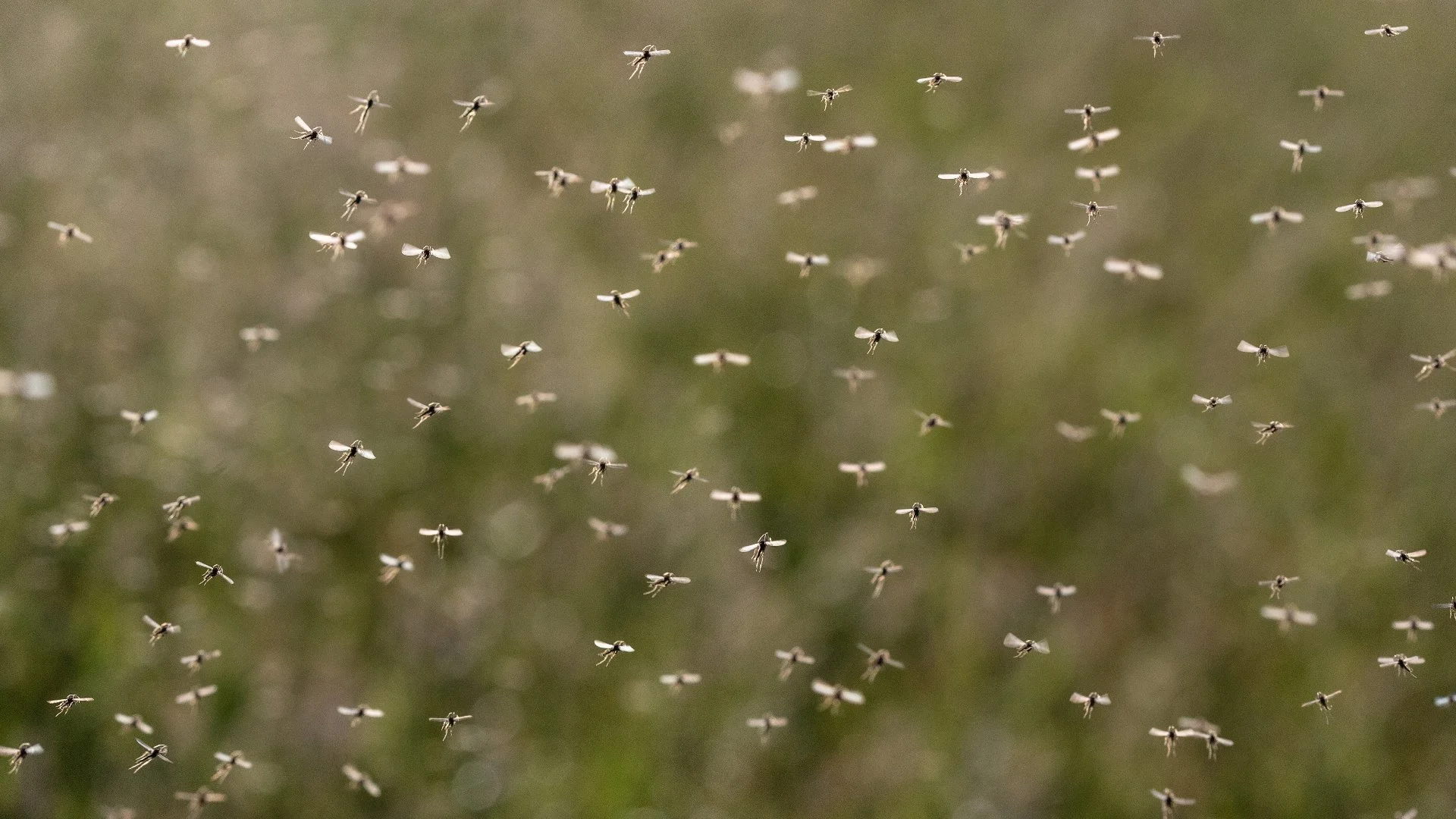
Mosquito Misting Systems or Barrier Sprays
DFW homeowners often compare timed mist lines along pergolas with technician-applied barrier sprays on shrubs and foundation planting.
This article sorts habitat, timing, and mosquito control expectations without treating hardware and professional barrier work as interchangeable products.
What misting systems actually deliver
Misting systems emit short bursts along mounted nozzles, usually near patios, pools, and outdoor kitchens. They target adult mosquitoes in flight zones families occupy at dusk.
Nozzle placement matters more than reservoir size on windy North Texas evenings. Mist that drifts across bare Bermuda misses resting adults in shaded ligustrum along fence lines.
Automated clocks must align with local reentry guidance and neighbor exposure. Systems need winterization, leak checks, and tank service separate from lawn irrigation schedules.
What barrier sprays emphasize
Barrier sprays focus on shaded foliage, foundation beds, and wood lines where mosquitoes rest before they reach the patio. Technicians adjust product choice and leave-out zones around vegetable beds and pollinator corners.
Professional applications track growth flushes after pruning and fertilization so new leaves receive treatment before events. Static mist schedules rarely match those growth windows.
Licensed mosquito control visits should note wind, bloom status, and pond or french drain mosquito sources the same day as barrier work.
Breeding sites both tools miss without source work
Saucers, clogged gutters, and irrigation overspray cups breed mosquitoes whether misting runs nightly or not. Source reduction belongs on every plan before hardware or spray debates.
Storm drains and alley low spots on older Fort Worth blocks hold water after thunderstorms. Barrier sprays on the front bed do not reach larvae in curb channels fifty feet away.
Read standing-water habits beside downspouts and AC condensate lines before buying equipment. Misting adults off a patio while tubs refill weekly wastes budget and annoys neighbors.
Cost, maintenance, and inspection load
Misting systems carry install cost, chemical refills, nozzle cleaning, and pump repairs. Barrier programs carry per-visit fees but no permanent plumbing on fascia.
HOA communities may restrict visible nozzle lines or audible pump cycles. Check covenants before trenching lines along shared walls.
Document who services tanks and who responds when a line leaks onto neighbor stone. Barrier contracts should name technician licenses and notification windows for same-day applications.
Pairing with lawn and irrigation habits
Evening irrigation that soaks Bermuda until dawn extends resting habitat on adjacent shrubs. Pair lawn care controller edits with mosquito plans so moisture and spray timing align.
Tall fescue shade strips and groundcover on north elevations stay damp longer than open sun turf. Misting patios beside those beds without treating shade often feels ineffective after rain weeks.
Fire ant mounds along patio edges change foot traffic patterns families use at dusk. Fix mound zones so outdoor seating matches the zones mist or barrier work actually protects.
Choosing a hybrid plan on DFW lots
Some properties use barrier sprays on fence woodlines and mist zones only on outdoor kitchens. The map should follow how people use space, not perimeter footage alone.
Event-heavy households may schedule barrier refresh before gatherings while mist lines cover daily dog walks. State both calendars in writing to avoid double application days that violate label intervals.
Use contact us with patio hours, shade photos, and irrigation map. SureGuard builds mosquito control plans that match North Texas habitat instead of selling one hardware story for every Clay lot.
Clay soil, fence lines, and irrigation habits on North Texas lots change how the same pest sign should be interpreted across Plano, Frisco, McKinney, Arlington, and Fort Worth. Record moisture, traffic paths, and recent landscape work before the service plan is set.
Clay soil, fence lines, and irrigation habits on North Texas lots change how the same pest sign should be interpreted across Plano, Frisco, McKinney, Arlington, and Fort Worth. Record moisture, traffic paths, and recent landscape work before the service plan is set.
Clay soil, fence lines, and irrigation habits on North Texas lots change how the same pest sign should be interpreted across Plano, Frisco, McKinney, Arlington, and Fort Worth. Record moisture, traffic paths, and recent landscape work before the service plan is set.
Clay soil, fence lines, and irrigation habits on North Texas lots change how the same pest sign should be interpreted across Plano, Frisco, McKinney, Arlington, and Fort Worth. Record moisture, traffic paths, and recent landscape work before the service plan is set.
Disclaimer: This article is for general informational purposes only. It is not professional advice, a quote, or a service agreement. Conditions at your home or property may differ; contact a qualified professional for an on-site evaluation before making repair, safety, or spending decisions.