Early summer around Plano, Arlington, and Waco often delivers a rhythm homeowners feel in their boots before they name it. A storm leaves clay soft along the downspout. A warm dry block follows, Bermuda stripes pick up color, and the same patio path that stayed quiet in spring suddenly carries chairs, dog traffic, and the first serious fire ant domes near the grill pad. None of that is a moral test for your turf. It is how North Texas clay, warm season grass, and exterior pests share one calendar when rain pauses between fronts and sustained heat begins scoring the lawn daily.
Clay that holds water, then packs under feet
North Texas clay does not drain like sand. Water sits in bowls, then firms into a surface that looks dry while subsurface layers stay soft. Patio traffic on that soil shears crowns, packs lanes beside the house, and leaves leaf blades wet longer where splash and footfall meet. Rotate furniture when you can so the same stripe does not take every footfall. Lift chairs instead of dragging metal legs across turf that still holds moisture from last week.
If low spots return after storms, read puddles that sit for days before you chase fertilizer alone. Pair that walk with early summer irrigation skip guide when radar and boots agree you already have enough water in clay soil. Coordinated lawn care visits keep feeding and weed timing honest while you fix traffic lanes.
Bermuda growth between rains on sunny panels
Bermuda in full sun often jumps after a warm rain, then pauses visually during a dry spell without stopping root activity. Mower height matters more than revenge cuts after thin weekends. Taller warm season canopies shade soil and ride heat better than a scalp that exposes crowns. If thatch was already talking earlier in the season, revisit Bermuda thatch signals in North Texas yards so you do not chase color when the limit is canopy or compaction.
Service detail for seasonal visits lives on lawn fertilization when growth and insect pressure need mapping together. Core aeration on traffic paths can matter more than another product bag when clay packs beside the patio. Read warm season lawn insect signals before summer heat when chewed blades appear beside wear stripes that look like traffic alone.
Fire ant mounds where patios meet turf
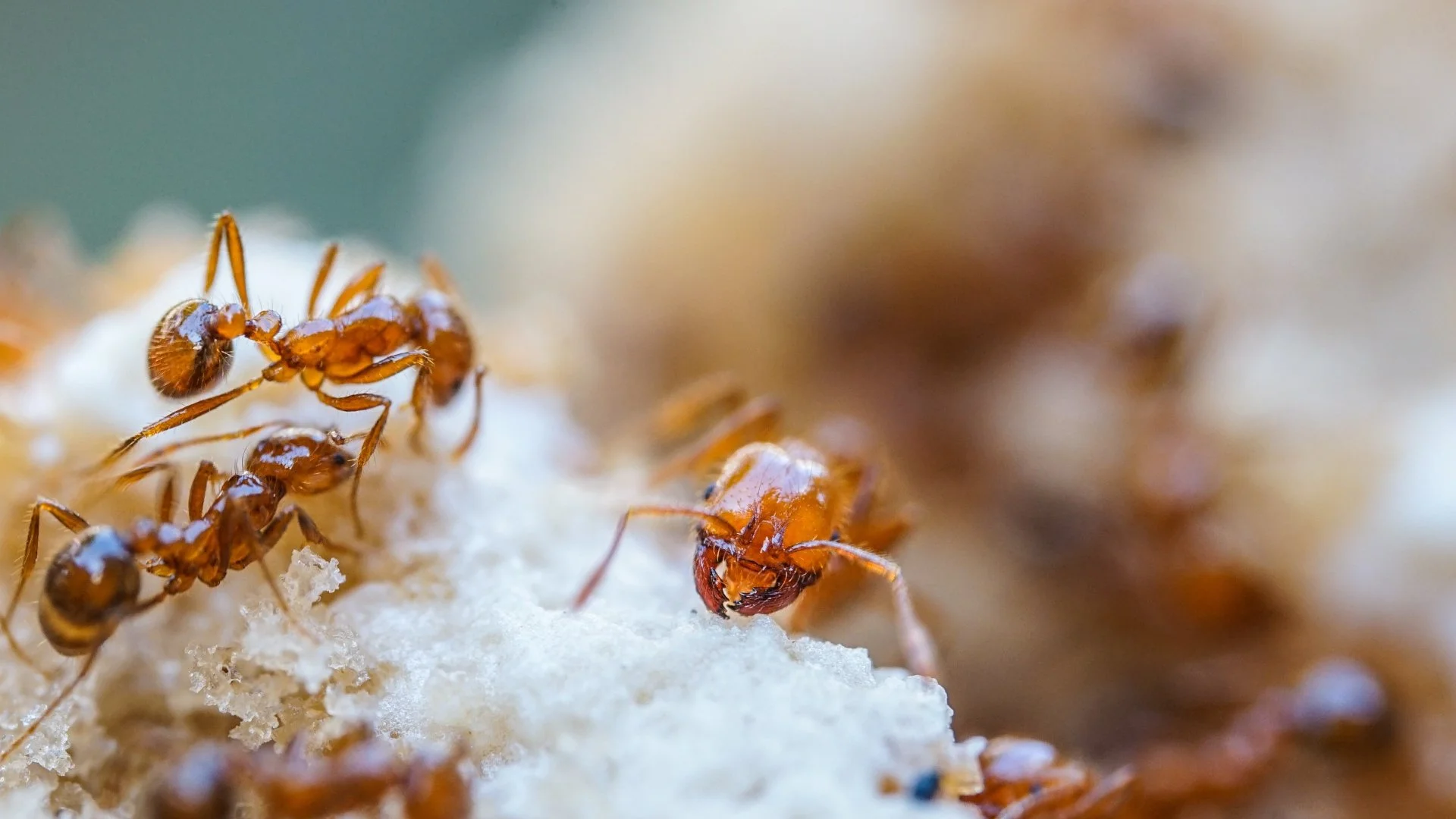
Fire ants do not need grill grease to appear beside hardscape. Colonies often stage in sunny edges, then show domes after rain when soil softens. Weekend traffic exposes mounds that were already building near play sets and trampoline skirts. Read fire ant mounds after spring rain for timing context, then fire ant control when you want a structured plan near children and guests.
Mark new mounds with dated photos for your technician. Keep play areas clear until products dry or as directed. Perimeter habits from spring still matter when guest weekends stack back to back. Compare notes with guest week perimeter prep checklist when ants and spiders stage near the same grill pad.
Patio wear and the lawn stripe guests never see
Guests remember shade and a clear path. Grass remembers whether the calendar stayed honest on height, water, and traffic. Read lawn and patio traffic story when wear stripes and spongy corners show up beside the porch. Pool decks and stone paths reflect heat onto adjacent turf. Those margins often brown first while the open yard still looks green from the street.
Saint Augustine in afternoon shade may stay spongy from traffic plus irrigation overlap while Bermuda beside the walk shears. Read both zones before you apply one fix everywhere. For a wider exterior route, pair this read with early summer exterior walkthrough guide so turf, water, and perimeter pests stay on one lap.
Weed and color signals after wet then dry weeks
Weeds germinate fast when nights stay mild and clay holds moisture below a dry surface. A skip week is not permission to ignore mowing. If circular patterns appear after a wet block, mention them before you increase water to fix color. Sometimes the answer is less runtime, not more. Read brown patches that stay tan while the rest greens up when shade stress and disease disagree across the same lot.
Weed control belongs in the talk when summer annuals germinate in thin lanes beside fences. Review perimeter pest control when ants and spiders stage near grill pads even when mounds are the louder headline for guests.
Shrubs and foundation edges beside packed clay
Compaction beside the porch shows up in turf before guests comment on shrubs. Entry beds that stayed wet through spring may still hold moisture against brick while Bermuda in full sun looks thirsty. Pull mulch back from siding and note weep holes covered by soil. Those edges belong in the same ticket as fire ant work when colonies stage near damp foundation corners.
Read late spring shrub airflow story when entry plants grew into rails while you were focused on patio stripes. Explore tree and shrub care when woody plants look weaker than grass. Airflow and honest water often explain mixed exterior pressure better than a third product bag.
Perimeter pests that follow food and moisture
Grill drips, pet bowls, and sugary spills change ant pressure near patios without creating mounds overnight. Wipe hard surfaces and keep trash sealed through busy weekends so exterior work is not fighting signals you can remove yourself. The wider pest menu lives on pest control when mosquitoes, ticks, or perimeter routes belong on the same ticket as fire ant edges.
Mosquito saucers and downspout splash blocks still matter. Read mosquito breeding sites after spring rains when standing water sits behind the same shrubs where ants stage. Review mosquito control when adults spike beside soggy corners you noted on the same walk.
How SureGuard fits North Texas calendars
SureGuard builds programs around local grass, soil, and pest pressure for properties across Dallas Fort Worth, Waco, Cedar Creek, Mabank, and nearby communities. Use contact with two photos: one wear stripe in morning light and one fire ant mound dated after the last rain. Mention whether pets, kids, or guests use the patio lane daily so routes respect real pressure.
Dry spells between storms are ordinary in North Texas. Honest mowing, skips after rain, and mound timing turn a busy patio season into a calmer summer. After the next dry block, walk the sunny foundation edge before guests arrive. You will see where clay, Bermuda, and fire ants are telling the same story.
Write which zones you skipped after rain so later heat decisions start from facts instead of guesswork when color looks uneven across the yard. One line on the calendar beats trying to remember a wet spring from memory when peak heat arrives.
Trampoline skirts and play structures concentrate wear in circles the mower never fully reaches. Note those zones when you call so aeration and pest work respect how kids actually use the lot.
Evening humidity after cookouts keeps leaf blades wet longer near the house. That is normal for early summer. It is also why honest irrigation skips matter more after a rainy week than another long cycle on the timer.
When several worries fire at once, one coordinated plan beats two emergency calls that do not share notes. Tell your provider where clay stayed soft, where mounds appeared, and which patio lane saw the heaviest traffic.