A lawn with several thin areas may still have enough healthy turf to improve through overseeding. A yard containing mostly dead grass, bare soil, construction disturbance, or severe surface problems may require a more complete rebuild.
SureGuard publishes overseeding and new lawn seeding as separate services. Our overseeding service adds seed to existing turf to improve density. Our new-lawn seeding process includes preparing the site, removing dead grass, adding soil, spreading seed across the whole area, and providing aftercare instructions. The decision should begin with how much usable lawn remains.
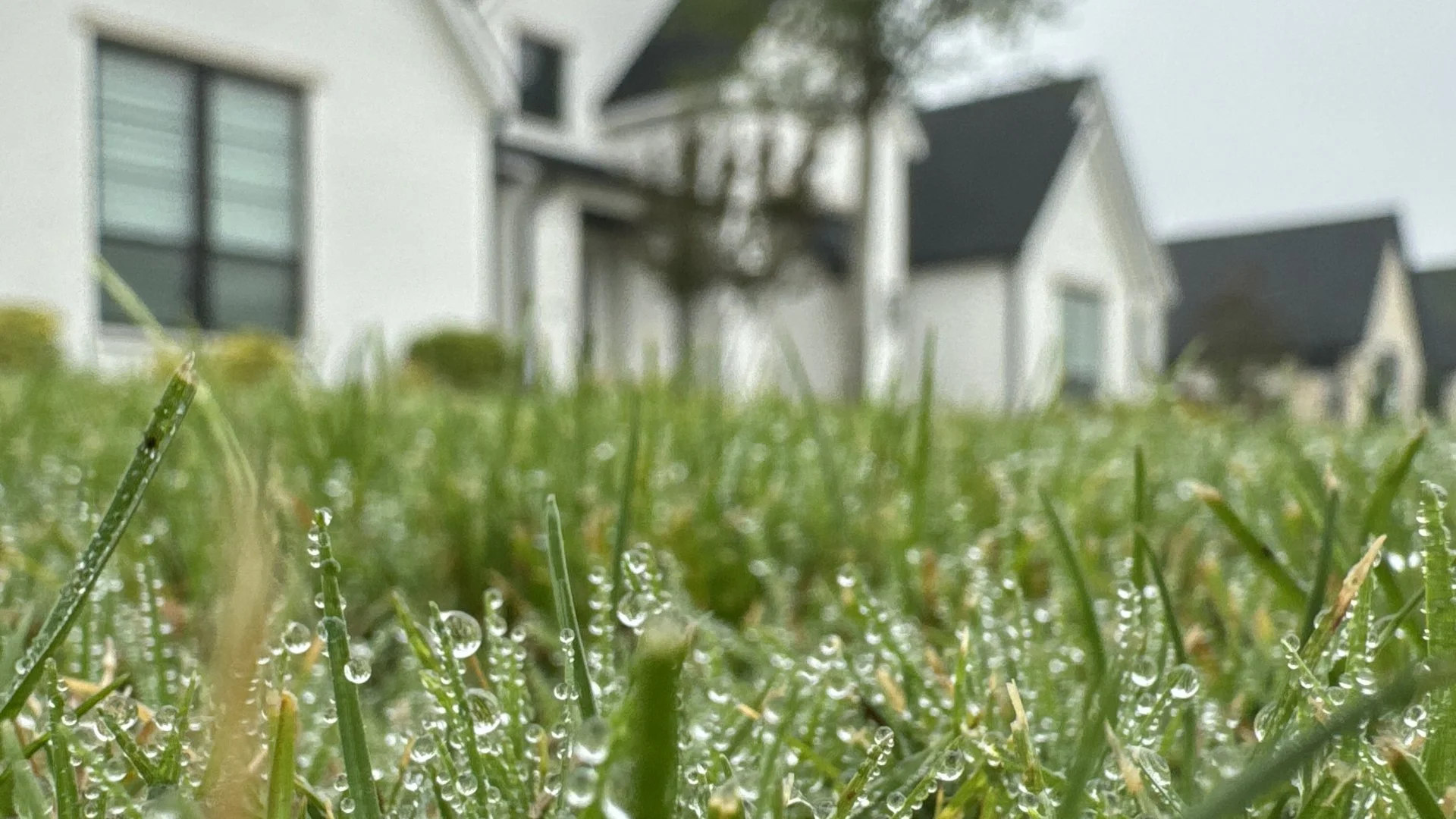
Overseeding works within the existing turf
Overseeding may fit when the lawn has thin grass, limited bare sections, reduced density, wear from traffic, minor winter damage, areas where desirable turf remains, a surface that does not need complete reconstruction, a reasonable irrigation setup, manageable weed pressure, and soil that can be prepared without removing the whole lawn. The existing lawn continues to form most of the surface. The new seed is added to improve density and help fill selected areas. The project still needs suitable seed-to-soil contact. Seed resting on dense thatch, debris, or compacted soil may have difficulty establishing.
New lawn seeding begins with a larger reset
Our published new-lawn process includes preparing the soil, removing dead grass, adding an approximately two-inch layer of soil, spreading seed across the lawn, and providing watering and traffic instructions. That scope is better suited to an area that can no longer be treated as an established lawn with several thin spots. Possible starting conditions include a mostly bare property, lawn removed during construction, a large dead area, extensive grading, soil that needs rebuilding, a new house, major landscape renovation, a surface dominated by unsuitable grass or weeds, a utility or drainage project, or a failed lawn requiring broad preparation. Expect more soil work, more visible disruption, and a stricter establishment period.
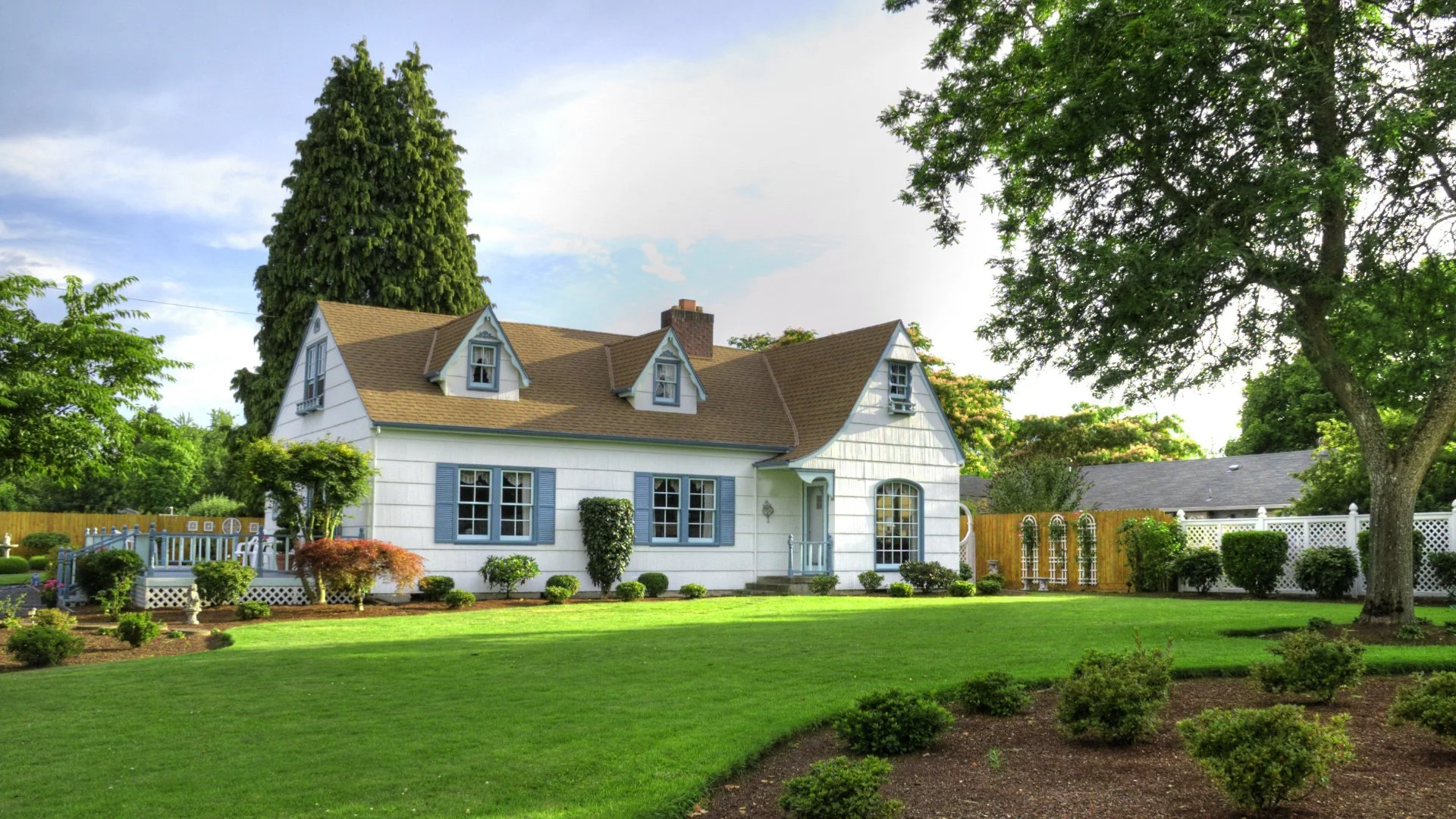
Measure living turf instead of judging color alone
A dormant or stressed lawn can look dead from a distance. A truly dead area may remain brown even after appropriate seasonal conditions return. Before choosing the project, we should evaluate grass species, living crowns or runners, roots, seasonal dormancy, disease, insect activity, irrigation, soil, shade, traffic, herbicide injury, and construction damage. Do not order full new-lawn seeding solely because the property looks brown during a normal dormant period. Our archive already covers warm-season green-up, bare patches, disease, insects, irrigation, and North Texas heat. Those conditions need to be separated before viable turf is removed. Related concerns may also involve lawn disease control or lawn insect control.
Weed pressure can change the preparation
A thin lawn may contain enough desirable grass for overseeding but also contain heavy weeds. The service plan should identify existing weeds, pre-emergent history, post-emergent treatment, time since last application, planned seed date, areas excluded from weed control, waiting periods, weed removal, and follow-up. A product intended to stop weed seed germination can also interfere with desirable seed. Tell us about every lawn product applied by you or another contractor before seeding is scheduled. Details on our weed control service help explain why timing matters.
Aeration may support overseeding without becoming a full rebuild
We also provide core aeration. Aeration may be paired with overseeding when the soil is compacted and existing turf remains. The proposal should state whether aeration is included or separate, whether seed is included, seed type, areas receiving seed, soil amendments, irrigation marking, invisible-fence marking, and post-service care. Aeration does not replace the larger surface preparation described in our new-lawn service when most of the yard needs reconstruction. Ongoing density support may also connect to lawn fertilization after establishment.
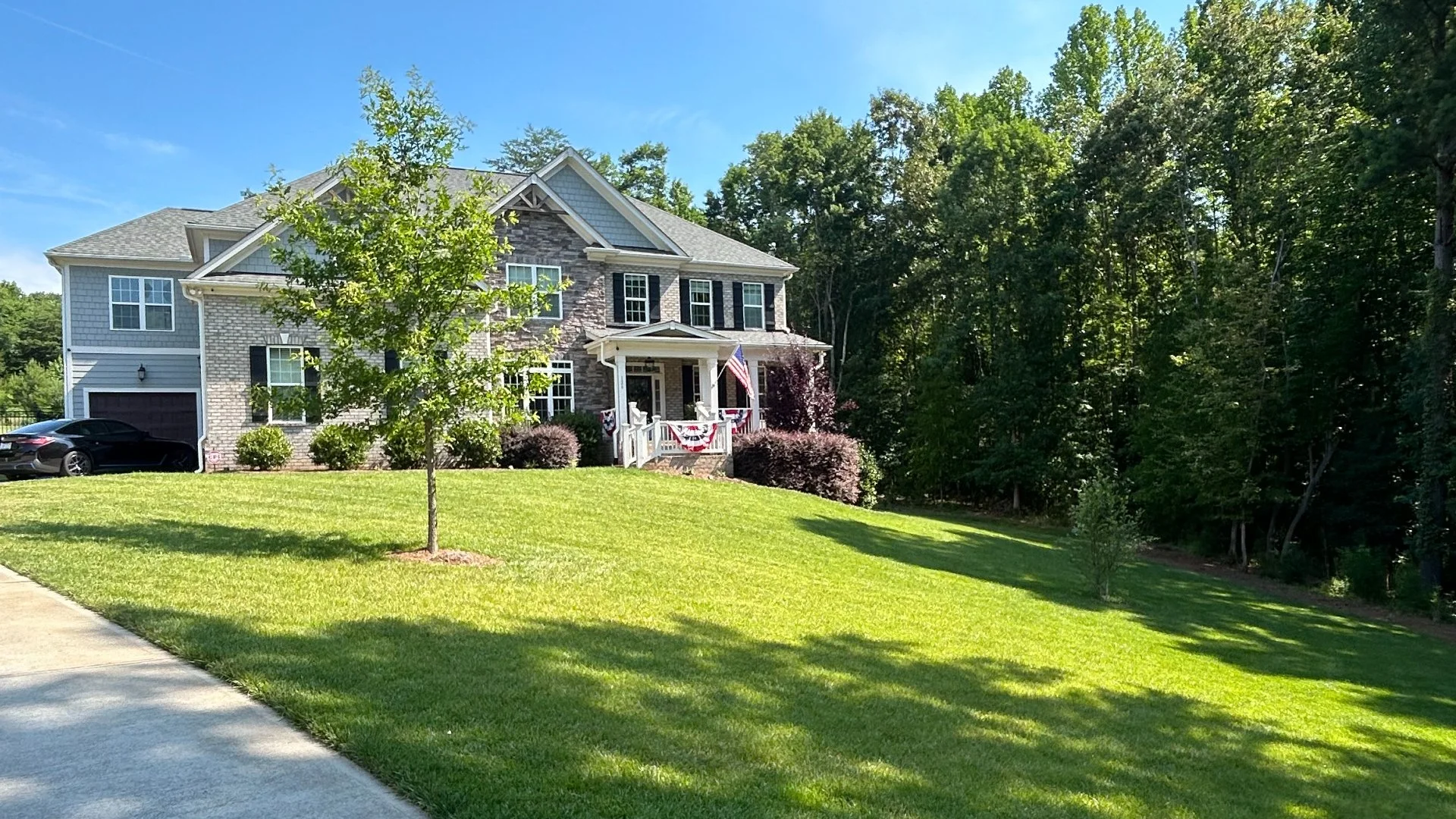
Irrigation should be tested before either project
Seed needs carefully managed moisture during establishment. Before service, run every irrigation zone and check coverage, broken heads, dry corners, excess runoff, low pressure, zone overlap, the controller, the rain sensor, water restrictions, and hand-watering areas. A full new lawn should not be installed over a known irrigation failure with the expectation that the seed can wait for repairs. For overseeding, identify whether the small bare areas fall between sprinkler patterns.
Traffic restrictions differ by project size
Our new-lawn page states that customers receive instructions about watering and when the newly seeded lawn can be walked on. A whole newly seeded surface can affect children, pets, deliveries, the mail route, trash collection, landscape crews, pool service, construction, outdoor events, and access to the backyard. Plan alternate paths before installation. An overseeded lawn also needs protection, but a few treated sections may be easier to route around than an entire new surface.
The estimate should show the project boundary
A property may need both approaches. The front lawn may receive overseeding while a construction-damaged side yard receives new-lawn seeding, a shaded rear area receives another recommendation, irrigation repair occurs first, and one section is left out because of planned hardscape. Ask for a marked plan showing each area, existing condition, recommended project, preparation, and aftercare. This prevents the largest service from being applied automatically to every part of the property.
Keep the establishment record
Save seed type, seed date, soil work, aeration, fertilizer, weed treatment, watering, rain, first mowing, traffic, photographs, thin areas, follow-up, and warranty or service terms. We serve Dallas and the surrounding DFW area from our 13663 Jupiter Road, Suite 407A office. Browse more lawn guidance on the blog, or reach us through the contact page or at (972) 406-8600.