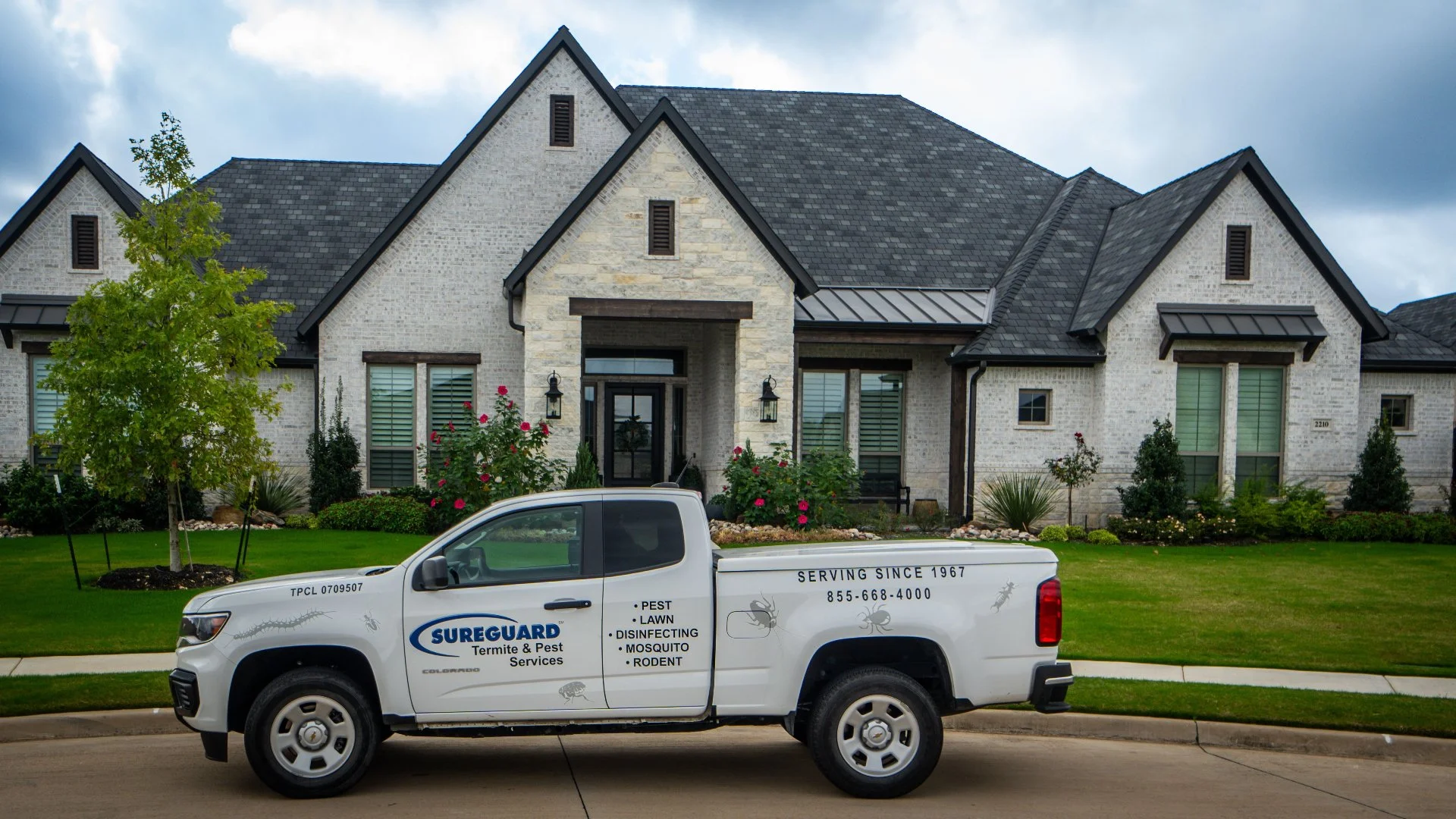
Trying to pin down pest control cost in Texas can feel like shopping for tires without knowing your size. One company says a relatively modest repair total for that kind of fix another says a relatively modest repair total for that kind of fix and neither number means much until you know what’s actually included. Here’s the straight answer: what you’ll pay depends less on the word “pest control” and more on the pest, the property, and whether you need a quick fix or ongoing protection.
What pest control usually costs in texas
In Texas, basic pest control pricing usually falls into a few predictable buckets. A one-time general pest treatment often lands around typical one-time cleaning pricing based on condition and access for a typical home. Ongoing quarterly service commonly runs about a monthly rate that depends on scope and local market conditions per visit, or roughly a monthly rate that depends on scope and local market conditions per year depending on coverage. Monthly service is usually higher overall, often around a monthly rate that depends on scope and local market conditions per month, and it tends to make sense only when pest pressure stays high or outdoor treatments need to stay on a tight schedule.
Specialty services sit in a different tier. Rodent work can start a few hundred dollars higher than a basic spray visit because traps, follow-ups, and entry-point sealing take more labor. Termites, bed bugs, and wildlife issues can move from “maintenance cost” to “project cost” fast.
In places like Waco, Dallas-Fort Worth, and Cedar Creek, quotes also shift based on property size, how active the infestation is, and how fast you need someone out.
Typical price ranges for common service types
For general household pests like ants, roaches, spiders, silverfish, or earwigs, a first-time visit is often the most expensive visit in the plan. Expect roughly a relatively modest repair total for that kind of fix for an initial treatment in many Texas homes. That first appointment usually includes inspection, heavier product application, and setup for future service if needed.
Follow-up visits are usually less. If you’re on a recurring plan, each treatment may drop into the typical per-visit pricing for that frequency and bin count range for a standard-sized home. If you call for a one-off follow-up outside a service agreement, the price can stay closer to the original visit.
That difference matters. There’s a big gap between “spray the baseboards and the exterior once” and a true maintenance plan that includes inspection, perimeter treatment, callbacks, and seasonal adjustments.
Why texas pricing can feel all over the map
Texas has a longer pest season than many states, and that changes everything. Ants stay active longer. Roaches don’t take much of a break. Mosquitoes can hang around for months. Termites, rodents, fleas, ticks, and wasps all add their own complications.
Dense neighborhoods in Dallas-Fort Worth can mean shared pest pressure, especially when pests move between units, fences, alleys, and nearby food sources. More rural or semi-rural properties near Cedar Creek can deal with bigger yards, more moisture, sheds, tree lines, and easier wildlife access. Same service category, different real-world job.
What actually changes your pest control price
Most pest control bills come down to five things: what pest you’re dealing with, how big the property is, how bad the problem has become, what kind of treatment is required, and how hard the property is to treat properly.
Type of pest
This is the biggest cost driver. Ants, common spiders, and many routine household pests are usually straightforward. Roaches can go either way. A small issue may fit under general service, but a heavier infestation often needs more aggressive baiting and repeat visits.
Rodents raise the price because treatment is only part of the job. Trapping helps, but if entry points stay open, the problem comes right back. Termites and bed bugs sit near the top of the price range because inspection is more involved, treatment methods are more specialized, and success usually depends on follow-up.
Mosquitoes, fleas, ticks, and wasps also vary. A wasp nest under an eave may be a quick service call. Seasonal mosquito control for a whole yard is a recurring outdoor program.
Size of your home or property
Square footage affects product use, labor time, and the number of treatment areas. A smaller one-story home in Waco will usually cost less than a larger property in Cedar Creek with a detached garage, fence line, backyard structures, and a broad perimeter to treat.
Stories matter too. Two-story homes often need more time for inspection and exterior work. Larger yards increase the cost of mosquito, flea, tick, and perimeter services because there’s simply more ground to cover.
Severity of the infestation
A few ants at the kitchen sink is one thing. Roaches scattered through the garage, bathrooms, and attic is another.
Pest control pricing climbs when the problem has had time to spread. More infestation means more treatment, more monitoring, and more follow-up. Catching it early is a lot like fixing a small roof leak before the whole ceiling gets involved. The repair is cheaper because the damage hasn’t spread.
Treatment method and frequency
One-time treatment is usually cheaper upfront, but not always cheaper in the long run. Recurring service spreads out cost while reducing the chance of constant flare-ups.
Treatment style matters just as much. Exterior-only service usually costs less than interior plus exterior. Bait stations, exclusion work, rodent trapping, termite monitoring, mosquito fogging, and lawn treatments all add labor and material costs. So do add-ons like attic or crawl space service.
Accessibility and repair needs
Some jobs are simple. Some turn into a half-day puzzle.
Tight crawl spaces, cluttered attics, blocked access points, tall rooflines, damaged vent screens, slab cracks, and visible entry gaps can all raise the price. At that point, you’re not just paying for treatment. You’re paying for treatment plus prevention, and prevention often takes longer than the spray itself.
Average pest control costs by pest type
If you’re trying to budget quickly, pest type gives you the clearest price band.
Ants, roaches, spiders, and other common household pests
For common household pests, expect a one-time service to land around typical one-time cleaning pricing based on condition and access in many Texas homes, with recurring plans often averaging less per visit. If the issue is light and mostly seasonal, basic recurring service is often enough.
Roaches are where the category starts to split. A light preventive treatment may fit standard pricing, but a larger interior infestation often means extra baiting, more visits, and a higher total cost.
Rodents and wildlife-related pest issues
Rodent control often starts around a moderate-to-significant cost range for that type of job for simpler situations and can rise well past that when sealing work is involved. The catch is exclusion, which means closing gaps, holes, and access points so rodents stop getting in.
Without exclusion, rodent control can turn into an expensive loop of traps and callbacks. Cleanup can also add to the total, especially if droppings, nesting, or attic contamination need attention. Wildlife-related issues, depending on the animal and access difficulty, can cost even more.
Termites, bed bugs, and other high-cost specialty treatments
This is the premium end of pest control. Termite treatment often starts in the high hundreds and can run into the thousands depending on treatment method, foundation type, and monitoring setup. Bed bug treatment can do the same because it usually requires very targeted work, repeat visits, and careful prep.
These jobs cost more for a reason. Inspection has to be more precise, treatment has less margin for error, and missing one step can mean paying twice.
Mosquito, flea, tick, and yard-focused treatments
Outdoor pest programs are usually seasonal. Mosquito treatments may run around typical per-visit pricing for that frequency and bin count per visit for smaller to average yards, with larger properties costing more. Flea and tick treatments can land in a similar range, especially when both lawn and indoor areas need attention.
Event-based treatments are common too. If you’re trying to make the backyard usable before a weekend gathering, expect to pay for timing and urgency along with the treatment itself.
One-time treatment vs ongoing service plans
This is where a lot of people overspend without realizing it. A one-time visit feels cheaper, but if the same pest keeps coming back, the math changes fast.
When a one-time treatment makes sense
One-time service works best for isolated issues. A wasp nest on the patio, a minor ant flare-up after heavy rain, a move-out treatment, or a pre-event cleanup can all fit the one-visit model.
It also makes sense when the problem is clearly limited and you’re not dealing with long-term pressure from the yard, foundation, or neighboring properties.
When recurring service saves money
Recurring service is usually the better value in Texas if pests keep coming back. That’s the direct truth.
Quarterly service works well for many homes dealing with regular ants, roaches, spiders, or shifting seasonal pest activity. In higher-pressure situations, bi-monthly or monthly service may make more sense, especially for mosquito-heavy properties or businesses with strict sanitation requirements. The reason is simple: prevention costs less than repeated reset visits.
What’s Usually included in a plan
Most service plans include scheduled inspections, perimeter treatment, and interior spot treatment when needed. Many also include callback visits between regular appointments if covered pests return.
“Covered pests” matters more than the monthly number. That phrase usually includes common crawling insects, but not always termites, bed bugs, wildlife, mosquitoes, fleas, ticks, or rodents. Those often sit outside the base plan or require upgraded coverage.
Pest control costs for homes, businesses, and properties in waco, DFW, and cedar creek
Texas pricing gets more useful when it’s local.
Residential pest control in waco and cedar creek
Homes in Waco and Cedar Creek often deal with more outdoor pressure than a tightly packed urban lot. Larger yards, tree cover, sheds, fences, lake-area moisture, and nearby open land create more hiding and breeding spots.
That usually means higher pricing for mosquito work, perimeter treatments, and rodent prevention. A small home with a tight lot may stay near the lower end of the range, while a larger Cedar Creek property with outbuildings and heavy summer activity can move noticeably higher.
Commercial pest control in Dallas, Fort worth
Commercial pest control in Dallas-Fort Worth is usually customized rather than priced like residential service. Offices, restaurants, retail spaces, warehouses, and multi-unit properties all have different risk levels and service expectations.
Square footage is part of the quote, but not the whole story. Frequency, sanitation sensitivity, food handling, customer traffic, dock doors, dumpster placement, and after-hours access all affect the price. Restaurant and food-service accounts usually cost more because compliance and follow-up standards are tighter.
Why local conditions change the quote
Local heat, rainfall, aging construction, slab cracks, and surrounding vegetation all shape pest pressure. Older homes can have more access points. Dense neighborhoods can mean pests move from property to property. Nearby fields, creeks, and tree lines can raise mosquito, rodent, and ant activity.
And then there’s the Texas summer pattern you already know: one still evening in Cedar Creek, right around dusk, and suddenly the mosquitoes seem to show up all at once. Conditions like that are exactly why a generic national price guide only gets you so far.
Extra fees, add-ons, and charges that surprise people
A lot of frustration comes from thinking the quote covered everything when it really covered one narrow slice of the problem.
Initial service fees and inspection charges
First visits often cost more than maintenance visits because more happens on day one. The company has to inspect the property, identify pest pressure, decide on treatment zones, and often apply a heavier initial treatment.
Some inspections are free, especially for general pest quotes. Others come with a fee, particularly for termites, bed bugs, wildlife, or commercial assessments that take more time.
Exclusion, repairs, and cleanup
This is where surprise charges tend to show up. Sealing entry points, replacing vent screens, repairing door sweeps, fixing damaged screens, cleaning rodent droppings, and attic sanitation usually sit outside standard treatment pricing.
That doesn’t mean the charge is unreasonable. It means the service changed. Spraying for pests and physically correcting why pests keep entering are two different jobs.
Emergency, same-day, and specialty scheduling costs
Urgent service often costs more. Same-day calls, weekend appointments, after-hours work, severe infestations, or jobs requiring multiple technicians can all push the price up.
If speed matters, ask about the scheduling fee directly. It’s better to know upfront than see it tucked into the invoice later.
How to compare quotes without getting burned
The trick is to compare scope, not just price. A lower quote can still be the more expensive choice if it leaves out follow-up, callbacks, or the actual source of the problem.
Questions to ask before you say yes
Ask what pests are covered, how many visits are included, and whether callbacks cost extra. Ask if the quote includes indoor and outdoor treatment, and what prep is required before the visit.
Also ask what happens if the pest comes back in two weeks. That one question tells you a lot about what you’re really buying.
Signs a cheap quote isn’t actually a deal
Vague service descriptions are a bad sign. So is pricing that only covers a light initial spray with no mention of follow-up, warranty, exclusion, or retreatment.
Be careful with very low introductory pricing that jumps sharply after the first visit. If the quote skips details about entry points, nesting areas, or recurring conditions, there’s a good chance you’re looking at a partial fix.
What good value looks like
Good value means clear scope, realistic follow-up, and fewer repeat problems. It means the quote explains what gets treated, how often, and what happens if the issue continues.
The lowest invoice is not automatically the cheapest solution. If you pay twice for the same unresolved problem, the “deal” disappears fast.
Ways to keep pest control costs down
You don’t need to turn every pest issue into a DIY project. But a few smart moves can keep a manageable problem from turning into an expensive one.
Fix the small stuff before it turns expensive
Fast action usually saves money. Store food in sealed containers, reduce standing water, trim vegetation away from the house, fix moisture issues, and close easy access gaps around doors, vents, and utility lines.
Little things matter here. A torn screen or a gap under the back door can be the difference between routine service and a repeat problem.
Know when DIY stops being worth it
Store-bought traps and sprays can help with light, visible pest activity. They can knock down a wasp nest, catch a few mice, or slow an ant trail long enough to get through the week.
But recurring rodents, termites, bed bugs, and larger roach issues usually get more expensive when you stretch out the problem with half-measures. That’s the point where DIY stops saving money and starts burning it.
Try this before you book
Before you schedule service, write down what pest you’re seeing, where you’re seeing it, and how often. Note whether it’s inside, outside, day, night, after rain, or near a specific room.
That simple list helps you get a better quote faster. It also makes it a lot less likely you’ll pay for the wrong service in the first place.
- Disclaimer: This article is for general informational purposes only. It is not professional advice, a quote, or a service agreement. Conditions at your home or property may differ; contact a qualified professional for an on-site evaluation before making repair, safety, or spending decisions.
Disclaimer: This article is for general informational purposes only. It is not professional advice, a quote, or a service agreement. Conditions at your home or property may differ; contact a qualified professional for an on-site evaluation before making repair, safety, or spending decisions.