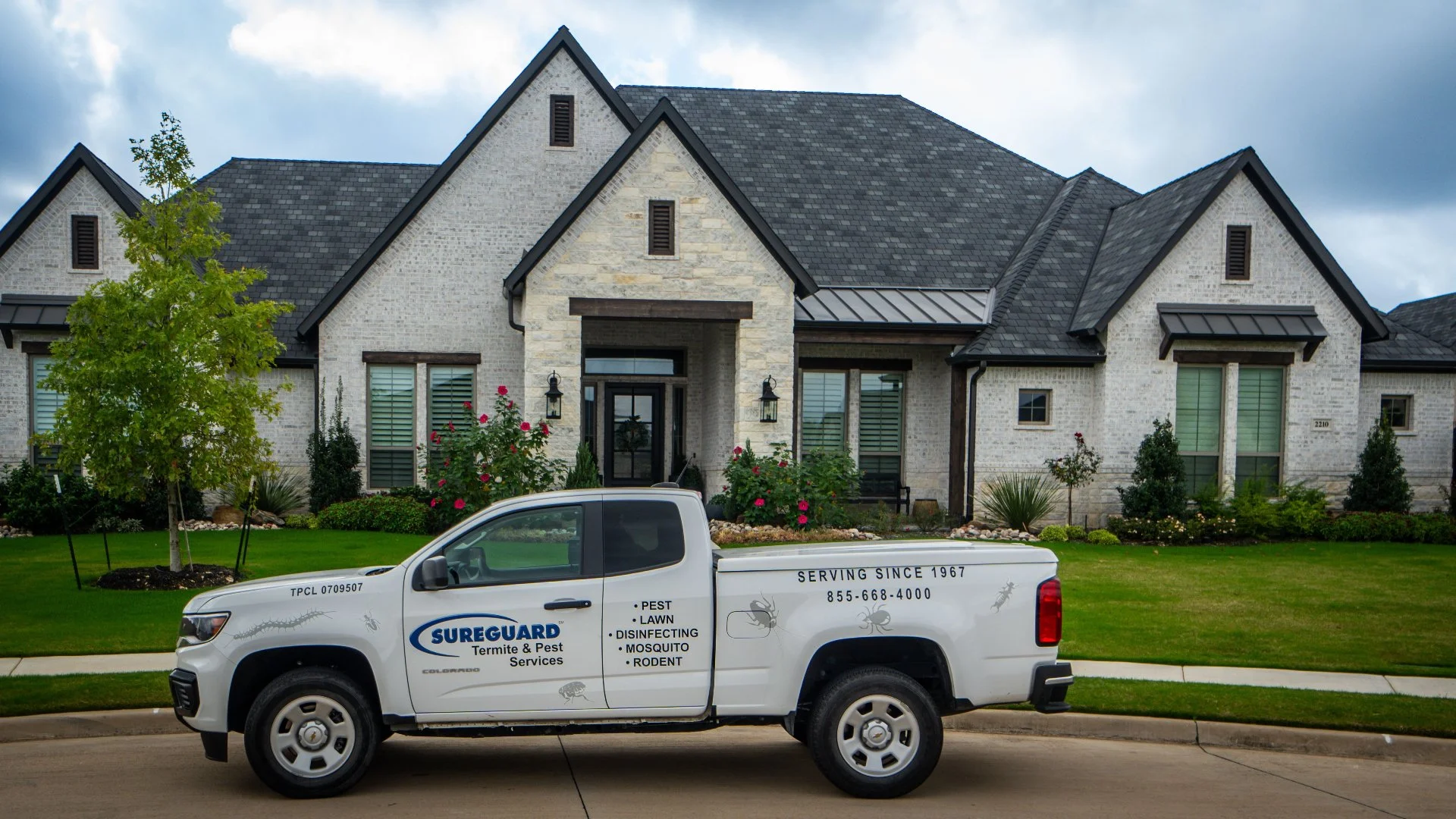
Seeing ants trail across the kitchen tile or hearing scratching above the ceiling at 2 a.m. usually leads to the same question: what are pest control prices in Texas, really? The short answer is that basic service can be fairly affordable, but the final number changes fast once you factor in the pest, the property, and where in Texas you live, especially in places like Waco, Dallas-Fort Worth, and Cedar Creek.
What pest control usually costs in texas
For most homes in Texas, pest control falls into two buckets: one-time treatment or an ongoing service plan. A one-time visit for common bugs usually costs more per trip, while a recurring plan lowers the price per service and keeps pests from coming right back.
If you just want a ballpark, general pest service for common insects often lands in the low-to-mid hundreds for a first visit, while recurring plans are usually priced lower per stop. Specialty jobs such as termites, rodents, bed bugs, or wildlife are a different story. Those can move from a simple service call into a larger project pretty quickly.
Average price ranges for common service types
A one-time treatment for ants, roaches, spiders, or similar common pests often runs about typical one-time cleaning pricing based on condition and access for a typical Texas home. If the issue is light and the home is smaller, the price usually stays toward the lower end. If the infestation is active, the house is larger, or extra areas need treatment, the number climbs.
Monthly service plans often range from about a monthly rate that depends on scope and local market conditions per visit, though some companies bill monthly while visiting on another schedule. Bi-monthly service, which usually means every other month, often lands around a monthly rate that depends on scope and local market conditions per visit. Quarterly service is one of the most common options in Texas, and it often falls around typical per-visit pricing for that frequency and bin count per visit, depending on the home and the pests being targeted.
Commercial pricing has a wider spread. A small office or storefront may pay something close to residential rates for routine service, while a restaurant, warehouse, or multi-unit property can cost much more because treatment needs, inspection frequency, and documentation tend to be heavier.
Why texas prices vary more than you’d expect
Texas is not a low-pressure pest state. Warm weather stretches the season, mild winters keep activity going, and heavy rain followed by heat can turn a manageable bug issue into a full-blown problem in a week. That alone changes pricing, because year-round service is often more realistic than a quick seasonal fix.
Property type matters just as much. A compact house in a Dallas neighborhood is different from a large lot outside Cedar Creek with outbuildings, tall grass, and standing water. A small retail suite in Waco is also a different job than a restaurant with dumpsters, grease traps, and strict inspection expectations. Same state, same industry, very different quote.
What affects pest control prices in texas
If one quote comes in far above another, there is usually a reason. Sometimes it is justified. Sometimes it is fluff. The trick is knowing which parts actually change the workload.
Type of pest
General pest control means routine treatment for common household bugs like ants, spiders, roaches, silverfish, and occasional invaders that show up around doors, windows, and baseboards. This is usually the lowest-cost category because the methods are more standardized and the treatment area is easier to define.
Specialty pests cost more because the work gets more technical. Termites often require separate inspection, a custom treatment plan, and long-term monitoring. Rodents are not just about setting traps. Bed bugs can involve repeat visits, detailed room-by-room work, or heat treatment. Mosquito service usually focuses on yard conditions and repeat outdoor treatments. Wildlife removal can involve exclusion repairs, attic cleanup, or live trapping permits, depending on the animal.
Size of the property
Bigger properties usually cost more, but square footage is only part of it. A 1,500-square-foot home with a simple layout is easier to treat than a 1,500-square-foot building with multiple access points, attached storage, cluttered crawl spaces, or a dense exterior landscape.
Yard size matters too, especially for mosquito control, fire ant treatments, and perimeter spraying. For businesses, the layout can matter more than the raw size. Multiple buildings, loading docks, fence lines, dumpsters, and break areas all add treatment time. More area to inspect usually means more labor, more product, and more follow-up.
Severity of the infestation
Prevention is almost always cheaper than cleanup. That is the plain truth.
A few ants showing up near the sink is one kind of service call. A roach problem that has been building behind appliances for months is another. Severe infestations can require stronger treatment methods, more visits, more monitoring, and more prep work before service even starts. The same pattern shows up with rodents. One mouse in the garage is a smaller problem than nesting in the attic with droppings, chewed wiring, and multiple entry points.
Treatment frequency and service plan
Calling only when something goes wrong often feels cheaper, until it isn’t. In Texas, recurring plans usually make more sense for ongoing pest pressure because they spread the cost out and reduce the chance of a larger infestation.
Most plans are monthly, bi-monthly, or quarterly. A recurring service plan often includes scheduled treatment, exterior barrier service, basic interior treatment as needed, and some form of retreatment between visits if pests return. That last part matters. Paying a little more for a plan with clear follow-up can save money compared with repeated one-off visits that never fully solve the issue.
Indoor, outdoor, attic, or lawn coverage
Not every quote covers the same areas. Some include only exterior perimeter treatment. Some include interior treatment, garage service, attic inspection, web removal, or treatment around doors and plumbing penetrations. Others add mosquito fogging, fire ant baiting, flea and tick treatment, or lawn pest control.
That is why two prices can sound close but mean very different things. If one service includes indoor treatment, attic access points, and the whole yard, it is not directly comparable to a basic exterior spray. The numbers on paper may look similar, but the scope is not.
Local cost breakdown for waco, Dallas, Fort worth, and cedar creek
Texas pricing gets more useful once it turns local. Pest pressure is statewide, but service patterns shift by area.
Waco
In Waco, common calls often involve ants, roaches, spiders, wasps, rodents, and seasonal mosquito issues. Central Texas heat keeps pests active, and a stretch of rain can wake everything up at once. That familiar post-storm jump in bug activity is real.
For a typical home, general pest service in Waco often stays fairly moderate compared with larger metro areas. One-time service for common insects may land around typical one-time cleaning pricing based on condition and access while quarterly plans often fit into the typical one-time cleaning pricing based on condition and access range per visit. Small businesses may see similar starting rates, though food service and higher-traffic properties usually cost more.
Dallas, Fort Worth
Dallas-Fort Worth usually runs a bit higher, and not just because it is a bigger market. There is a wider mix of property sizes, denser scheduling demand, more commercial volume, and more variation between a modest suburban home and a large property in places like Frisco, Southlake, or Fort Worth’s outer edges.
A suburban quarterly plan for a standard home may start around typical one-time cleaning pricing based on condition and access per visit, while one-time treatments for active issues often run typical one-time cleaning pricing based on condition and access or more. Commercial quotes can jump fast depending on the business type. A small office may be straightforward. A restaurant, medical facility, daycare, or warehouse usually needs more frequent service and tighter documentation.
Cedar creek
Cedar Creek often brings a different mix of cost factors. Larger lots, more vegetation, outbuildings, standing water, and semi-rural surroundings can raise both pest pressure and service time. Mosquitoes, rodents, fire ants, and wildlife issues tend to show up more often in these settings.
Because properties can be more spread out, a basic quote may not stay basic for long. General pest service may still be affordable, but add a large yard, a detached shop, and rodent exclusion around the roofline, and the price moves up. That is especially common in homes near wooded areas or water, where outdoor treatment and prevention do more of the heavy lifting.
Texas pest control costs by pest type
This is where your budget gets more accurate. Pest type is one of the biggest drivers of cost.
Ants, roaches, spiders, and other general pests
This is usually the lower-cost tier. For common crawling insects, standard treatment often includes inspection, exterior perimeter application, treatment around doors and windows, targeted interior treatment if needed, and knockdown of visible webs or nests around entry points.
For a one-time visit, expect roughly typical one-time cleaning pricing based on condition and access in many Texas markets. Ongoing plans are often the better value if your issue is recurring, especially with roaches or ants that keep finding a way back inside.
Termites
Termite service is usually quoted separately from general pest control, and for good reason. Treatment can involve inspection, bait systems, soil trenching, drilling, and long-term monitoring. That is more labor, more material, and more liability.
Costs can range from several hundred dollars for limited monitoring to several thousand for full-home treatment, depending on construction type, foundation access, infestation level, and treatment method. If a low-priced pest plan says nothing about termites, assume termite protection is not included unless it is spelled out.
Rodents
Rodent pricing usually has two parts: removal and exclusion. Exclusion means sealing the gaps rodents use to get in, such as roofline openings, utility penetrations, garage gaps, or attic vents.
A small trapping job may start in the low hundreds. Full rodent service with follow-up visits, attic checks, and exclusion repairs can run much higher, often from a few hundred dollars into the low thousands if the entry problem is extensive. The repair side is what catches many people off guard.
Mosquitoes, fleas, ticks, and lawn-related pests
These services are often seasonal and mostly outdoor-focused. Mosquito treatment may be priced per visit for regular warm-weather service, or as an event-based treatment before a party or outdoor gathering. Flea and tick jobs may involve both yard and indoor treatment, depending on the problem.
In Texas, recurring mosquito service often starts around typical per-visit pricing for that frequency and bin count per visit for a typical yard, with larger lots costing more. Fire ant and turf pest treatments can be added as separate services or bundled into lawn care plans.
Bed bugs and specialty infestations
Bed bugs are expensive because the treatment is exacting. Service can involve detailed inspection, repeated follow-up, room-by-room treatment, laundering prep, furniture handling, or whole-room heat treatment. This is not a quick spray-and-go job.
Costs often start in the high hundreds and can move well into the thousands depending on the number of rooms and the treatment method. The same pattern applies to many specialty infestations. More precision usually means more labor, and more labor means a higher quote.
Home vs. commercial pest control pricing
Residential and commercial pest control are priced differently because the service goals are different.
Residential service
For homes, pricing is usually shaped by square footage, pest history, service frequency, and any special add-ons such as mosquito treatment or rodent control. Most homes fit neatly into standard service bands, which keeps quoting fairly predictable.
If your goal is prevention, a recurring plan is often the cleanest option. If your goal is solving a specific active issue, a one-time visit may work, but only if the company clearly explains what happens if the pests return a week later.
Commercial service
Commercial service is usually quoted case by case because business needs vary so much. A small insurance office is not the same as a restaurant, daycare, apartment complex, storage facility, or manufacturing site.
Pricing often depends on inspection requirements, industry standards, frequency of service, site size, after-hours access, and compliance needs. Some businesses need detailed reporting for audits or health inspections. Some need discreet service timing. Some need weekly monitoring. That extra structure affects the quote, even if the building itself is not huge.
When lawn care and pest control are bundled
Bundling can make sense if your property deals with both structural pests and yard-related issues. Mosquitoes, fleas, ticks, fire ants, and some turf pests are easier to manage when the outdoor environment gets regular attention instead of one-off treatments.
Bundled pricing is not always dramatically cheaper per service, but it can save money through fewer trip charges, simpler scheduling, and better coverage of the actual problem areas. It is a little like fixing a roof leak and the damaged ceiling together instead of pretending those are separate jobs.
How to compare pest control quotes without getting burned
The cheapest quote is not automatically the best deal. Sometimes it is just the vaguest one.
What should be included in a quote
A useful quote should spell out the inspection, target pests, treatment areas, number of visits, and whether follow-up or retreatment is included. It should also make clear if the price covers only exterior treatment or both interior and exterior service.
Warranty terms matter too. If pests come back between scheduled visits, does the company return at no extra charge? If termite service is involved, is there a renewal or monitoring fee? If rodent work is quoted, are repairs and sealing included or listed separately? Clear language now prevents surprise charges later.
Questions to ask before you book
Before booking, get straight answers on what products are being used, whether any prep is required, and how treatment affects kids, pets, employees, or customers. Ask how fast service can start and how long results usually take.
Also ask about contract length, cancellation terms, and what happens if the first treatment does not fix the issue. If a quote looks low, ask what is not included. That one question can save you a lot of money.
Red flags that often lead to surprise costs
Vague pricing is a big one. If the quote says little more than “pest service” with a teaser rate, slow down.
Another red flag is missing follow-up detail. If the service involves active roaches, rodents, termites, or bed bugs, a one-line estimate without retreatment terms is asking for trouble. Watch for extra fees tied to attics, garages, large yards, detached structures, or “specialty pests” that sound like they were included at first but are suddenly separate once the invoice shows up.
Ways to save money on pest control in texas
Saving money on pest control is less about chasing the lowest number and more about keeping the problem from getting expensive.
Best times to start service
The best time to start is before pest season peaks, not after the kitchen suddenly looks like a highway for roaches after a wet summer week. Preventive treatment is usually cheaper than active infestation treatment, and it gives the service time to work before pressure ramps up.
Spring is a common starting point, but in Texas, year-round service often makes sense because pests do not really disappear for long. Even winter can turn into rodent season once temperatures drop and animals head indoors.
When recurring service is worth it
Recurring service is worth it if your property has repeat pest pressure, nearby woods or water, a history of roaches or ants, or a business setting where pest sightings are a bigger risk. The same goes for larger homes, multi-entry buildings, and properties in semi-rural areas around Cedar Creek.
If you rarely see pests and the issue is truly isolated, a one-time service may be enough. But for many Texas properties, recurring service costs less over time than waiting for the next outbreak.
Simple steps that can lower future treatment costs
Basic prevention really does help. Seal exterior gaps, especially around pipes, doors, attic lines, and garage edges. Trim plants back from the house so pests lose easy cover near entry points. Fix leaks and moisture issues under sinks, around HVAC lines, and near the foundation. Dump standing water in pots, toys, gutters, or low yard spots where mosquitoes breed.
None of that replaces treatment when you already have a problem. But it often keeps service simpler, and simpler service usually costs less.
A quick checklist before you request estimates
Before requesting quotes, gather a few simple details so the numbers you get are easier to compare:
- Property square footage
- Lot or yard size
- Pests seen recently
- Where activity is showing up
- Indoor, outdoor, attic, or lawn needs
- Past treatments or recurring issues
Then get a few local estimates from providers serving Waco, Dallas-Fort Worth, or Cedar Creek. When each quote covers the same scope, the price comparison gets much cleaner. Try that one step first, because it is the fastest way to tell if a number is fair or just dressed up to look good.
- Disclaimer: This article is for general informational purposes only. It is not professional advice, a quote, or a service agreement. Conditions at your home or property may differ; contact a qualified professional for an on-site evaluation before making repair, safety, or spending decisions.
Disclaimer: This article is for general informational purposes only. It is not professional advice, a quote, or a service agreement. Conditions at your home or property may differ; contact a qualified professional for an on-site evaluation before making repair, safety, or spending decisions.