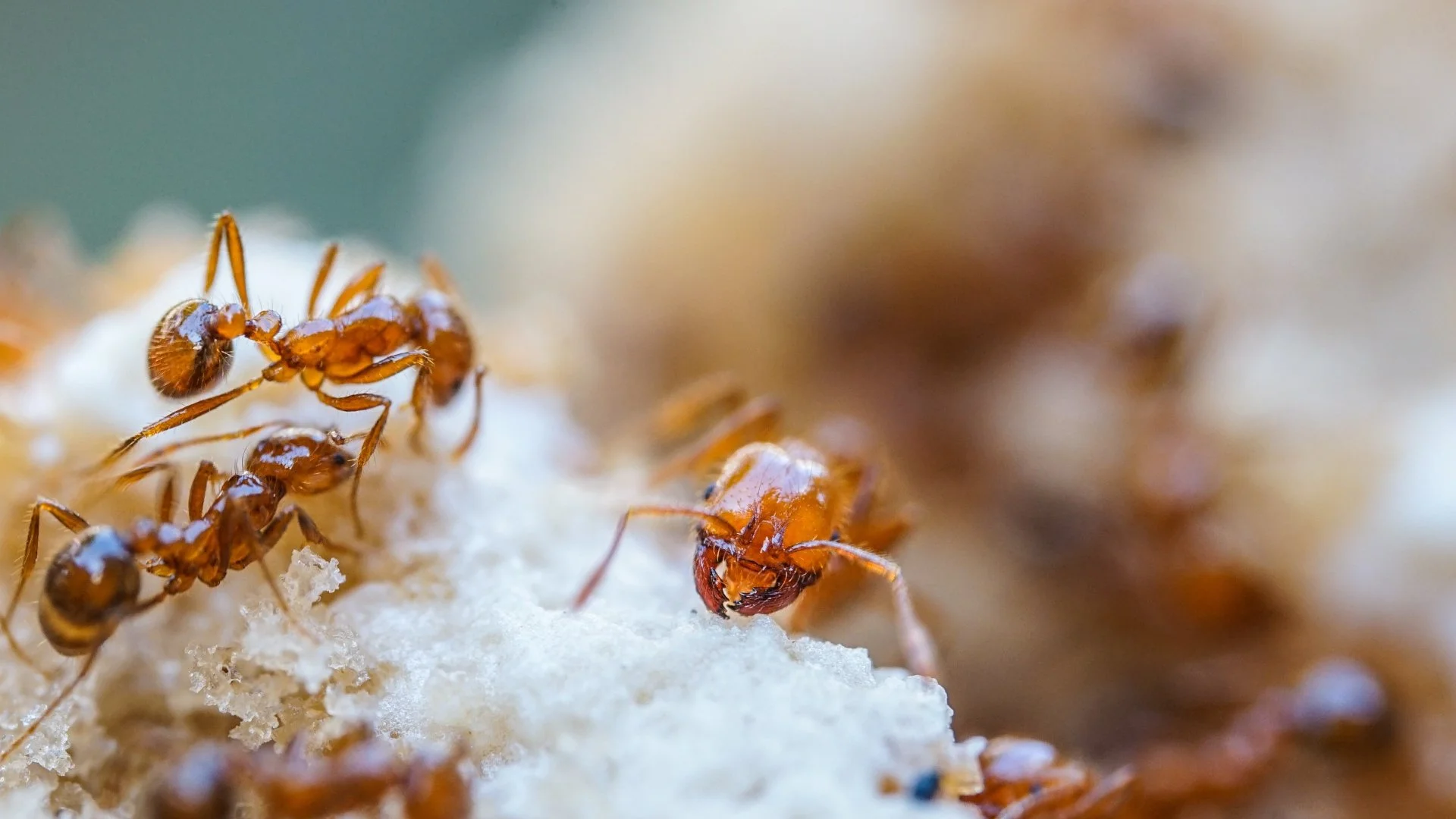
Pests in Texas do not show up on a neat schedule, and that is exactly why they catch so many people off guard. One month you are wiping up ant trails by the coffee maker, then a few hot weeks later your patio turns into mosquito central, and by the first cool snap you start hearing scratching in the attic. If you want to understand pests in Texas, the big idea is simple: the problem changes with the season, the weather, and the kind of property you have.
Pests in texas: why the same property can have a different problem every few months
Texas gives pests a long runway. Warm weather starts early, hangs on late, and in many years barely takes a real break. That means your home, office, restaurant, warehouse, or rental property does not deal with one pest season. It deals with several.
The pattern is familiar once you notice it. Spring wakes up ants, termites, mosquitoes, and wasps. Summer turns up the pressure with roaches, flies, fire ants, lawn pests, and relentless mosquitoes. Fall pushes rodents and overwintering insects closer to buildings. Winter does not clear the board, especially in places like Waco, Dallas-Fort Worth, and Cedar Creek, where mild stretches can keep pest activity moving.
Weather shifts matter more than most people realize. A rainy spring can explode mosquito numbers. A dry, brutal summer can push roaches, ants, and rodents toward indoor moisture. A warm winter week can trigger activity that feels more like March than January. The same address can have totally different pest issues every few months because the conditions that attract each pest keep changing.
Building type matters too. A restaurant with floor drains and grease traps draws different invaders than a single-family home with a shaded backyard. A warehouse with dock doors faces different pressure than a suburban office park with manicured beds and irrigation. The trick is not treating “pest control” like one generic issue. It is learning which pests tend to show up, when they show up, and what on your property is practically inviting them in.
What counts as a pest in texas
When people talk about pests in Texas, they usually mean more than just bugs crawling across the floor. In plain English, a pest is any insect, arachnid, rodent, or lawn-damaging invader that makes your space less comfortable and less secure, or more expensive to maintain.
Some pests are mainly a nuisance. Think ants in the kitchen, spiders around the porch light, or silverfish in a bathroom cabinet. Annoying, yes. Usually dramatic, no. Then you have health-related pests, like mosquitoes, ticks, fleas, rodents, and cockroaches. These can spread germs, trigger allergies, contaminate food, or leave painful bites and stings. Finally, there are property-damaging pests, the ones that quietly cost you money. Termites are the obvious example, but rodents chewing wires and lawn pests destroying turf belong in that group too.
That overlap is where people get tripped up. A cockroach is not just gross. It is also a sanitation problem. Fire ants are not just annoying mounds in the yard. Their stings can turn a normal outdoor area into a real safety issue. Termites can stay out of sight long enough to do expensive damage before you notice a single sign.
Why texas has so many pest problems
Here’s the thing: Texas is built for pest survival. Long warm seasons give insects and rodents more time to feed, breed, and spread. Mild winters mean fewer hard resets. Sudden rain creates perfect breeding conditions for mosquitoes and boosts vegetation that shelters other pests. Drought does the opposite, but it does not solve much. It pushes moisture-seeking pests closer to irrigation lines, AC condensation, plumbing leaks, and shaded structures.
Humidity swings add another layer. Some pests thrive after damp weather, while others move indoors when outside conditions get too dry. In one year, you can see both patterns. Dense neighborhoods in DFW create steady food and shelter, especially where dumpsters, pet areas, apartment breezeways, and shared walls are involved. Open land and rural edges around Cedar Creek create a different kind of pressure, with more wildlife movement, more brush, and more standing water risk near low spots or lake-adjacent areas.
Then there is the simple fact that food and water are everywhere. Crumbs under appliances, grease near cook lines, pet bowls on patios, overwatered lawns, clogged gutters, leaking hose bibs, and birdbaths that nobody dumped after rain all add up. Pests do not need perfect conditions. They need enough.
How pest pressure changes between homes, yards, and commercial properties
A home, a yard, and a commercial building do not attract the same trouble, even when they sit on the same block. In a house, the pressure usually shows up around kitchens, bathrooms, garages, attics, and shaded exterior walls. At ground level, your landscaping can tell you what might move indoors next. Fire ants in the lawn, ants along the foundation, and heavy mosquito activity near drains or planters rarely stay “outside problems” for long.
Commercial properties add complications. Restaurants and cafes deal with flies, roaches, ants, and rodents because food, moisture, and trash never fully disappear. Office buildings often run into ants in break rooms, spiders around exterior lighting, and occasional roach activity in plumbing chases or shared walls. Warehouses and distribution spaces attract rodents, spiders, flies, and stinging insects, especially where large doors stay open or shipments bring hitchhiking pests inside.
Regional differences shape that pressure. Urban and suburban DFW properties often deal with dense development issues: shared walls, dumpster areas, apartment turnover, restaurant clusters, and irrigation-heavy landscaping. Waco can bring a mix of neighborhood lots, older structures, and water-influenced pest activity thanks to river and lake conditions nearby. Cedar Creek often sees stronger mosquito pressure, more rodent movement from open land, more fire ant issues, and the kind of pest crossover that happens where residential areas meet brush, fields, and water.
The most common texas pests by season at a glance
If you just want the quick mental map, here it is: spring wakes things up, summer multiplies them, fall pushes them inward, and winter hides them closer to heat, moisture, and shelter. That pattern explains a lot.
Spring
Spring is when ants reappear in kitchens and break rooms, termites start swarming, mosquitoes hatch fast after rain, and wasps begin nest building under eaves and around fences. Fleas and ticks start building in shaded yards, and plant pests like aphids begin feeding on new growth. Early lawn pests also start getting traction as soil warms.
Summer
Summer is peak pressure. Mosquitoes explode around standing water and humid evenings. Cockroaches push into kitchens, bathrooms, and utility spaces. Fire ants stay active in lawns and landscaped beds. Flies multiply fast anywhere sanitation slips. Spiders become more obvious because insect activity increases. Lawn pests such as chinch bugs and grubs start showing up as turf stress becomes visible.
Fall
Fall is the transition season. Rodents start looking for indoor shelter as nights cool. Spiders show up more around windows, porches, garages, and storage. Ants and roaches keep moving if food and moisture are available. Overwintering insects begin slipping into wall voids and attics. Fleas and ticks can stay active much longer than people expect.
Winter
Winter in Texas does not mean pest-free. Rodents become more noticeable indoors, roaches stick close to warmth and moisture, spiders and silverfish stay active in quiet corners, and termites remain a concern below ground and inside structures. Even ants can flare up during warm spells.
Spring pests in texas: when everything wakes up at once
Spring is one of the busiest pest seasons in Texas because multiple conditions line up at once. Soil warms. Plants start pushing out fresh growth. Rainwater collects in low spots, gutters, and containers. Wildlife moves more. You open doors and windows more often. Pests do not need an invitation after that.
If winter felt quiet, spring can feel like the switch flips overnight. One week your yard looks normal. The next week you spot tiny winged insects around a window, a thin ant line under the toaster, and wasps scouting the eaves above the garage.
Ants
Ants become obvious in spring because colonies ramp up foraging as temperatures rise. Food becomes easier to find, moisture shifts around the property, and outdoor colonies start sending workers farther from the nest. Indoors, the first signs usually show up in kitchens, pantries, sinks, and around pet food. In commercial spaces, break rooms, mop closets, and areas near drink stations get hit first.
Several species commonly invade Texas properties. Odorous house ants are small and persistent, especially around moisture. Pavement ants show up near sidewalks, foundations, and cracks in slabs. Carpenter ants are less common than some people fear, but when they appear, moisture-damaged wood is often part of the story. Fire ants are usually more obvious outdoors, though disturbed colonies near slabs and landscaping can make your whole perimeter feel hostile.
Spring ant problems are often early warnings. If ants are finding water around a dishwasher line, crumbs under a base cabinet, or sugary residue near a break room counter, they are not just wandering. They found a resource worth coming back for.
Termites
Spring is swarm season for many termite colonies in Texas, especially subterranean termites. A swarm is the colony’s way of reproducing, with winged termites leaving to start new colonies. That is why people suddenly notice flying insects around windows, porch lights, or doors after a warm rain.
The part that matters is this: seeing flying termites does not mean the problem just started. It means a mature colony is already active somewhere nearby. Sometimes it is in the soil near your structure. Sometimes it is already in the structure. Swarmers are the visible event, not the beginning of the story.
A lot of people confuse termite swarmers with flying ants. The easiest clues are the waist, antennae, and wings. Termites have a thicker, more uniform body shape, straight antennae, and two pairs of wings that are similar in size. Ant swarmers have a pinched waist, elbowed antennae, and front wings that are longer than the back wings.
Spring inspections matter because moisture and warm spells create ideal conditions for movement and expansion. Mud tubes on foundations, blistered wood, shed wings on windowsills, or soft spots around trim should not be brushed off.
Mosquitoes
Mosquito pressure often starts building in spring, long before people think of it as “mosquito season.” Fresh hatch cycles follow rain, and standing water can be almost ridiculous in how little it takes. A clogged gutter elbow, a forgotten plant saucer, a tarp holding rainwater, a birdbath that sat untouched for a week, that is enough.
Spring prevention matters more than waiting for summer. Once mosquito populations build, your yard becomes harder to enjoy, and the breeding cycle keeps feeding itself. Shaded areas, dense shrubs, low spots in turf, drainage dips, and water-holding containers all become part of the problem.
In areas with creeks, lakes, drainage corridors, or nearby retention ponds, spring mosquitoes can ramp up fast. That is especially true around Cedar Creek and some parts of Waco where water influence and vegetation create ideal breeding cover.
Wasps and hornets
Spring is when wasps and hornets start building. At first, nests are small, often just a few cells tucked under an eave, behind a shutter, inside a shed corner, or under the lip of outdoor furniture. That is the best time to notice them because small spring nests are much easier to deal with than midsummer nests buzzing with activity.
Paper wasps are common around homes and businesses, especially on covered exteriors. Mud daubers look intimidating but are usually less aggressive. Hornet activity varies by area and structure type, but sheltered high points around buildings are always worth checking.
Early nest building often happens in places you pass without really looking: fence posts, light fixtures, gas meter covers, carports, loading dock overhangs. A five-second glance in spring can save you from a much uglier surprise in July.
Fleas and ticks
Fleas and ticks start gaining ground in spring as pets spend more time outside and wildlife movement increases. Shaded yards, brushy edges, leaf litter, and areas where pets rest become hotspots. If a dog cuts through the same side yard every day or wildlife passes under a back fence at night, that traffic can help build a problem before you ever notice bites.
Fleas multiply fast in warm, protected conditions. Ticks prefer cover and humidity, which means tall grass, overgrown edges, and brush piles create easy habitat. In more rural or semi-rural settings, the risk jumps because there is more wildlife contact and less separation between yard and field.
The catch is that by the time you notice scratching pets or ankle bites, the problem may already be established in the yard or around shaded exterior zones.
Aphids and other plant pests
Spring also kicks off landscape pest issues. Aphids gather on new growth, especially tender shoots and ornamentals. You may notice curled leaves, sticky residue called honeydew, or black sooty mold developing on that residue. Spider mites can start quietly in dry conditions, and caterpillars begin feeding on leaves, flowers, and young vegetable plants.
For homes, this affects curb appeal and plant health. For offices, HOAs, retail centers, and managed properties, it affects how the whole place looks. Plant pests often seem minor until a bed starts looking ragged, a shrub drops leaves, or fresh seasonal color gets chewed up within days.
Spring yard and bed care matters because insect pressure and plant stress feed each other. Healthy growth handles some feeding. Stressed plants usually do not.
Summer pests in texas: peak season for bites, stings, and infestations
Summer is when pest problems stop being subtle. Heat accelerates breeding cycles, outdoor living increases human contact with pests, and drought or heavy irrigation can push insects and rodents into new patterns fast. Some pests explode outdoors. Others head indoors looking for cool air, water, and easier food.
This is the season when your yard, kitchen, garage, dumpster pad, and irrigation schedule all start affecting each other in ways that are hard to ignore.
Mosquitoes
Summer mosquito pressure in Texas can feel relentless, especially after pop-up storms, humid evenings, and regular irrigation. Patios, porches, pool areas, dog runs, and outdoor seating areas become hard to use if breeding spots are left unchecked.
The usual culprits are not mysterious. Birdbaths, planters, corrugated drain extensions, clogged gutters, French drain outlets, toys left upside down, low spots near fence lines, and decorative containers all hold water. In commercial settings, neglected drains, landscaping features, and water-holding equipment make things worse. Once evening hits, mosquitoes gather around shade, moisture, and people. Simple as that.
What makes summer worse is repetition. Rain refills the same spots. Irrigation keeps the area humid. Dense landscaping protects adult mosquitoes from heat and wind. If your yard feels bad every evening around 7:30, there is a reason.
Cockroaches
Texas summer is prime time for cockroaches. German roaches thrive indoors near food, warmth, and moisture, especially in kitchens, apartments, restaurants, break rooms, and shared-wall buildings. American roaches are larger and often show up from sewers, drains, utility chases, garages, and exterior entry points. Smoky brown roaches are tied more closely to outdoor moisture, mulch, wood piles, gutters, and tree-heavy areas, but they will move inside when conditions make sense.
Roaches are not random. If you are seeing them, there is usually a pattern involving water, food, or harborage. Kitchens matter because grease, crumbs, and appliance heat create ideal hiding and feeding conditions. Bathrooms matter because of moisture. Dumpster areas matter because they act like pressure points, constantly pushing insects outward. Plumbing penetrations, gaps under doors, floor drains, and wall voids matter because they connect one zone to another.
A single roach sighting does not always mean a major infestation, but repeated sightings usually mean the environment is working in the roach’s favor. With German roaches especially, waiting rarely helps.
Fire ants
Fire ants stay highly active in summer and become hard to ignore because people spend more time outdoors. Mounds appear in lawns, around mailboxes, along sidewalks, in medians, around utility boxes, near playgrounds, and in mulched beds. After rain, you may notice fresh mounding almost overnight.
The reason fire ants matter is not just the mound. It is the sting response. Disturb a mound while mowing, edging, gardening, or walking through the yard and the ants swarm fast. For kids, pets, delivery areas, sports fields, and shared outdoor spaces, that becomes more than a nuisance.
Fire ant pressure can be especially frustrating in commercial landscapes because medians, signage beds, and entry routes create high-traffic points where stings are most likely. In residential lawns, repeated mounds often show up in sunny open areas where foot traffic is already high.
Flies
Summer flies build fast when sanitation slips even a little. House flies are drawn to trash, pet waste, food scraps, and organic buildup. Fruit flies gather around ripe produce, sweet liquids, spilled juice, fermenting residues, and bar or coffee station areas. Drain flies point to organic slime inside drains, floor sinks, or condensate lines.
In homes, the problem usually starts small and then seems to multiply overnight. In businesses, especially restaurants and food service settings, flies can snowball from one weak spot: a sticky soda station, a mop sink with buildup, a leaking drain line, or a trash area cleaned inconsistently during peak heat.
The trick with flies is matching the species to the source. Sprays alone rarely fix a breeding issue. If drain flies are coming out of a floor drain, the drain is the story. If fruit flies keep circling a prep sink, the residue around that zone is probably doing the inviting.
Spiders
Spider sightings often rise in summer because insect activity rises with them. More prey means more web-building, more hunting, and more movement around garages, storage areas, porches, sheds, and exterior lighting.
Most spiders are just following food. Webs around light fixtures, corners, fence lines, and covered patios often mean moths, flies, and other insects are gathering there at night. Wandering spiders may appear indoors around boxes, baseboards, garages, and utility areas where prey is easy to find.
People tend to focus on the spider, but the real signal is often the insect population supporting it. If spiders suddenly seem everywhere, the property may have a broader outdoor insect issue.
Chinch bugs, grubs, and other lawn pests
Some summer lawn damage in Texas is not a watering mistake. It is insects feeding on the turf. Chinch bugs are a classic example, especially in St. Augustine lawns. They feed by piercing grass and sucking fluids, which creates yellowing or brown patches that can look like drought stress. The difference is that adding more water will not fix the underlying problem, and can sometimes make the lawn decline faster for other reasons.
Grubs feed below the surface on roots. When grub pressure gets high, turf can feel loose or spongy, and sections may peel back more easily than healthy grass. You may also notice birds, raccoons, or other animals digging because they know what is underneath.
Spider mites, sod webworms, and other turf or ornamental pests can also show up in hot weather. If the lawn is patchy, brittle, or declining in irregular shapes while irrigation seems normal, insects deserve a closer look.
Fall pests in texas: the season when invaders start looking for shelter
Fall in Texas can be sneaky. Days still feel warm, but the nights shift just enough to change pest behavior. Outdoor food sources start thinning in some areas, moisture patterns change, and shelter becomes more attractive. That is when pests that seemed “outside” all summer start testing doors, vents, attic gaps, and garages.
This is also the season when properties with small weaknesses start paying for them. A gap under a back door. A torn vent screen. Tree limbs close to the roofline. Stored boxes pushed against a garage wall. Nothing dramatic, but enough.
Rodents
Rodents are one of the biggest fall concerns in Texas. Mice and rats start looking for protected indoor spaces as overnight temperatures drop, and once they find attics, walls, garages, stock rooms, or utility areas, they settle in quickly.
Common warning signs include droppings, gnaw marks, grease marks along walls, chewed food packaging, and scratching sounds at night. In homes, attics and garages are classic entry and nesting zones. In businesses, rodent pressure often builds around dumpsters, rear delivery doors, storage rooms, and any space with clutter or low activity.
The problem with rodents is not just presence. It is what comes with them: contamination, nesting damage, chewed wiring, insulation disruption, and rapid reproduction if the conditions stay favorable.
Spiders
Indoor spider sightings often jump in fall, partly because outdoor activity starts shifting closer to shelter and partly because people notice them more around windows, porches, and storage. Webs around entry points, garage corners, patio furniture, and exterior light fixtures become more obvious.
Some spiders wander rather than sit in webs, so you may spot them in bathtubs, closets, laundry rooms, and garages. Quiet corners and undisturbed storage are especially attractive. If insects are overwintering around your structure, spiders tend to follow that food source.
A lot of fall spider complaints are really about exclusion and insect pressure. Reduce the access and the prey, and spider activity usually becomes less dramatic.
Ants and roaches
Ants and roaches do not disappear when summer ends. In fall, they often start following moisture and shelter more aggressively indoors. Ants may show up after rain events, during dry stretches, or around kitchens where small food sources remain easy to find. Roaches may move inward from mulch beds, drains, sewer connections, or exterior harborage as outdoor conditions fluctuate.
This is especially common in buildings with consistent indoor comfort. Heated or cooled spaces, plumbing access, shared walls, and food handling areas keep these pests interested no matter what the calendar says. If you still see ant trails in October or roaches around utility areas in November, that is normal for Texas, not unusual.
Stink bugs and other overwintering insects
Fall is when overwintering insects start slipping into wall voids, attics, soffits, and window gaps. Stink bugs get the name recognition, but the broader category matters more than the specific species. These are insects looking for protected spaces to ride out cooler weather.
You may notice them around windows on warm fall afternoons or find the occasional straggler indoors after the first few cool nights. The main issue is not always damage. It is annoyance, repeated sightings, and the fact that once they are inside wall voids, they can keep turning up.
Sealing cracks and gaps before this seasonal shift matters a lot more than reacting after the fact.
Late-season fleas and ticks
Fleas and ticks can stay active deep into fall in Texas, especially in shaded yards, around pet bedding, along fence lines, and anywhere wildlife traffic continues. Warm days keep them going, and mild nights do not slow them enough to count on.
This catches people off guard because fall feels like relief. But if your yard holds shade, moisture, brush, and host animals, these pests can keep building. Cedar Creek properties and other rural-edge settings often see this longer activity window more clearly because wildlife movement stays high and vegetation cover remains available.
Winter pests in texas: cooler weather Doesn’t mean pest-free
Texas winters are not hard resets. In some years, winter is just a string of cool snaps separated by mild stretches. That kind of weather does not wipe out pest pressure. It just redistributes it.
Indoors, pests get exactly what they want: warmth, moisture, protection, and food. Outdoors, some populations slow down, but many remain active below ground, inside wall voids, under mulch, or around protected exterior areas.
Rodents
Rodent problems often become more noticeable in winter because mice and rats are nesting, moving through insulated spaces, and feeding near human activity. Colder snaps push them deeper into attics, walls, garages, and storage rooms. Once inside, insulation makes excellent nesting material, and quiet utility areas give them cover.
Beyond the noise and droppings, winter rodent activity can mean contaminated storage, chewed wires, gnawed pipes, and damaged insulation. In businesses, stock contamination and wiring issues can create serious downtime. In homes, a winter rodent problem often shows up first as sound at night or droppings in less-used corners.
Cockroaches
Heated buildings give cockroaches exactly what they want in winter: steady warmth, moisture, and food access. German roaches remain active in kitchens, break rooms, and food service areas. Larger roaches may stay closer to plumbing lines, boiler rooms, utility closets, bathrooms, or drain-connected spaces.
That is why winter roach sightings do not mean something strange is happening. They mean the interior environment still supports them. In apartment buildings, restaurants, offices, and shared-wall properties, heat and plumbing make year-round survival easy.
Spiders and silverfish
Winter pest activity often gets quieter, not absent. Spiders linger in storage areas, closets, attics, and low-traffic rooms where prey insects still turn up. Silverfish are drawn to humidity and starchy materials, so bathrooms, laundry rooms, paper storage, linen closets, and attics can all become hiding places.
If you pull out a cardboard box in January and see silverfish dart away, that is a sign of moisture and shelter more than dirt. They like dark, undisturbed conditions and can persist for a long time if the environment stays stable.
Termites in winter
A common misconception is that termites die off in winter. In Texas, subterranean termites can stay active below ground and inside structures year-round. Surface activity may become less obvious, but the colony does not disappear because a few cold nights rolled through.
That matters because waiting for “termite season” can create a false sense of security. Visible swarms are seasonal, but structural risk is ongoing. Wood-to-soil contact, moisture issues, and hidden access points remain problems in winter just as much as in spring.
The texas pests You’re most likely to see all year
Some pests do not fit neatly into one season in Texas. They flare up differently depending on rain, heat, cold snaps, building conditions, and food availability, but they never really leave the picture.
Cockroaches
Roaches are a year-round issue in homes, apartments, restaurants, offices, and warehouses because buildings create stable indoor environments. Even when outdoor populations shift, plumbing, food residue, drains, equipment heat, cardboard storage, and moisture keep roaches active. If the conditions are right, the season barely matters.
Ants
Ants can become active almost any month, especially during warm spells or after rain. In one week of winter sunshine, you can suddenly see ant movement around a window or kitchen sink. Outdoor colonies respond quickly to changes in moisture and temperature, which is why ant activity can seem random if you are only thinking by season.
Termites
Termite risk does not stop because you do not see swarmers. Colonies stay active underground and can continue feeding on structural wood year-round. Swarm season gets attention because it is visible. The actual damage risk is much less seasonal.
Spiders
Spiders persist anywhere prey insects are available. Exterior lighting, garages, sheds, storage areas, attics, and cluttered corners all create long-term habitat. The species and visibility may change, but spiders remain part of the year-round pest picture.
Rodents
Rodents do not disappear after fall or winter. Once entry points stay open and nesting areas remain undisturbed, mice and rats can settle in for the long haul. Seasonal movement may trigger the first entry, but unresolved access and food sources keep the problem going.
Common texas yard and lawn pests
Not every pest problem starts indoors. A lot of the pressure builds in your yard first, then affects comfort, curb appeal, and eventually the structure itself. For homes, that means less usable outdoor space and stressed landscaping. For commercial properties, it means safety concerns, visible damage, and a rough first impression near entrances and walkways.
Chinch bugs
Chinch bugs are small, but the damage is not. In hot, dry stretches, especially in St. Augustine grass, they feed on turf and create expanding yellow or brown patches. Because that damage looks a lot like drought stress, many people respond by watering more. The catch is that extra water does not solve a chinch bug problem.
If one side of the lawn keeps thinning or crisping up near pavement, foundations, or sunny zones despite irrigation, chinch bugs should be on the list of suspects.
Grubs
Grubs feed on roots below the surface, which weakens the turf from underneath. The lawn may feel soft, pull up more easily, or look uneven and stressed without an obvious cause. Another clue is animal activity. If parts of the yard are getting dug up by birds or mammals, grubs may be what they are after.
Grub issues are less flashy than fire ants, but the lawn damage can be expensive if it spreads.
Aphids, spider mites, and caterpillars
These plant pests can turn healthy beds into a mess surprisingly fast. Aphids cluster on soft new growth and leave behind sticky residue. Spider mites are tiny and easy to miss, but leaves may look stippled, dusty, or bronzed. Caterpillars chew visible holes in leaves, flowers, and vegetables.
Landscape beds, shrubs near foundations, vegetable gardens, and seasonal color displays are common targets. In hot weather, stressed plants become even more vulnerable, which is why regular observation matters more than heroic rescue attempts after the damage is obvious.
Snails, slugs, and beetles
These lower-profile pests still create visible plant damage. Snails and slugs chew tender leaves and leave ragged edges or slime trails, especially in moist beds and shaded areas. Beetles vary by species, but many feed on foliage, flowers, or roots and can turn ornamental plantings shabby in a hurry.
They may not get the same attention as mosquitoes or termites, but if your flowers look shredded after a few humid nights, these are worth considering.
Fire ants in lawns and landscape beds
Fire ants deserve their own lawn mention because the safety issue is so direct. A mound in an ornamental bed is one thing. A mound beside a mailbox, playground edge, dog path, or front walk is another. Because they respond aggressively to disturbance, even routine yard work can trigger stings.
On managed commercial properties, untreated mounds around signage, medians, and entrance beds can quickly become liability headaches. At home, they can make parts of the yard feel unusable.
The most common indoor pest hotspots
Pests rarely use your whole building evenly. They cluster where food, water, shelter, and access come together. Once you know the hotspots, pest sightings start making more sense.
Kitchen and pantry
Kitchens and pantries are ground zero for ants, roaches, pantry pests, and fruit flies. Crumbs under appliances, grease splatter near cooktops, spills in cabinets, and food stored in weak packaging all create easy meals. Moisture matters too. Leaks under sinks, condensation behind refrigerators, and humid corners near dishwashers can keep pests coming back even when visible surfaces look clean.
Bathrooms and laundry rooms
Bathrooms and laundry rooms attract moisture-loving pests like silverfish, roaches, and drain flies. Toilets, sink cabinets, tub plumbing, floor drains, washer lines, and damp baseboards all create the kind of environment these pests like. If a room stays humid and quiet, it becomes a very comfortable hiding place.
Attics, garages, and storage areas
These quieter areas attract rodents, spiders, wasps, and occasional invaders because they offer shelter and low disturbance. Garages often bring in pests through perimeter gaps, stored cardboard, pet food, and clutter. Attics attract rodents through roofline gaps and vent openings. Storage areas become pest-friendly when items stay untouched for long stretches.
Yards, foundations, and exterior walls
Outdoor conditions around the structure often predict what shows up inside. Dense shrubs against walls, heavy mulch, standing water, tree limbs touching the roof, and foundation cracks all create pathways. If ants are active along the slab, roaches are harboring in wet mulch, or mosquitoes are breeding near downspouts, the indoor story may be starting outside.
How to tell which pest You’re dealing with
You do not need entomology class details to narrow down a pest problem. A few signs usually point you in the right direction fast.
Signs of ants, roaches, and termites
Ants leave trails, especially near food or moisture. You may see them entering through tiny wall gaps, following baseboards, or clustering around sinks and sweet spills. Roaches leave droppings that can look like pepper or coffee grounds, depending on the species. You may also notice egg cases, a musty odor, or sightings when lights come on at night.
Termites are different. Common signs include mud tubes on foundations or walls, shed wings near windows or doors, blistering paint, hollow-sounding wood, or trim that feels softer than it should. Flying termites after rain are a major clue, especially in spring.
Signs of rodents, fleas, and ticks
Rodent signs include droppings, gnawed packaging, scratching in walls or ceilings, grease rubs along travel routes, and shredded nesting material made from insulation, paper, or fabric. In garages and attics, even a faint smell can be a clue.
Fleas often show up as ankle bites, pet scratching, or tiny dark insects jumping from carpeted or upholstered areas. Ticks are more often found on pets, clothing, or skin after time in brushy or grassy areas. If pets hesitate in one shady part of the yard or scratch more after lying under deck areas or dense shrubs, pay attention to that pattern.
Signs of mosquitoes, wasps, and fire ants
Mosquitoes announce themselves with bites and swarms during dusk or after watering and rain. If one corner of the yard gets bad every evening, nearby breeding water is likely involved. Wasps are easier to spot by behavior. Repeated traffic under eaves, near shed corners, around light fixtures, or by fence posts often points to a developing nest.
Fire ants leave visible mounds, especially in lawns, beds, and sunny open ground. If mowing or stepping near a mound leads to fast, aggressive swarming, that is your answer.
Why certain texas cities and regions see different pest patterns
Texas is too big and too varied for one pest pattern to fit every place. Even within the same season, Waco, Dallas-Fort Worth, and Cedar Creek can see different pressure based on water, development, lot size, and how close your property sits to open land.
Waco
Waco combines long warm weather with water influence from nearby river and lake areas, older neighborhoods, and a mix of residential and commercial property styles. That often means strong mosquito pressure near water-adjacent or shaded areas, spring termite activity after warm rains, and steady ant and roach issues where moisture and older construction create access points.
Neighborhood lot layouts also matter. Mature trees, older foundations, detached garages, and mixed drainage patterns can create perfect conditions for ants, spiders, rodents, and lawn pests to overlap.
Dallas, Fort Worth
Dallas-Fort Worth has pest pressure shaped by density and sprawl at the same time. Dense restaurant corridors, apartment complexes, shopping centers, and office parks deal with roaches, flies, rodents, ants, and shared-wall issues year-round. Suburban neighborhoods add irrigation-heavy lawns, foundation beds, fences, and garages that support mosquitoes, fire ants, spiders, and turf pests.
Warehouses and logistics spaces add another layer. Dock doors, pallet storage, dumpsters, and constant movement can support rodent and roach pressure in ways that single-family properties do not.
Cedar creek
Cedar Creek often sees stronger pressure from mosquitoes, rodents, fire ants, and wildlife-linked pests because of the rural-edge and lake-area setting. More open land, more brush, more standing water opportunity, and more wildlife movement create a different pest environment than a dense city block.
If your property backs up to trees, open lots, or water-influenced areas, the line between “yard pest” and “structure pest” gets thin fast. Mosquitoes build in low wet spots, rodents travel from cover to cover, and fire ants thrive in sunny open ground around homes and outbuildings.
What attracts pests to your property in the first place
Pests do not show up for no reason. Even when the weather drives timing, the property still provides the payoff. Usually that payoff comes down to moisture, food, shelter, and access.
Moisture
Leaks, condensation, poor drainage, clogged gutters, standing water, and overwatering are some of the biggest pest attractants in Texas. Roaches, ants, mosquitoes, termites, and silverfish all benefit from moisture in different ways. A drip under a sink or a soggy patch near an AC line may look minor to you, but to pests it is a reliable resource.
Food sources
Crumbs, grease, trash, pet food, pantry goods, spilled drinks, fallen fruit, and outdoor eating areas all create feeding opportunities. Even sealed buildings attract pests if food residue is regular and easy to reach. In commercial settings, grease areas, trash pads, mop sinks, and break rooms are especially common trouble spots.
Shelter and entry points
Gaps under doors, cracks around utility lines, vent openings, roofline gaps, clutter, stacked materials, mulch beds, and dense shrubs give pests both access and cover. Rodents use openings. Ants use tiny cracks. Roaches shelter in clutter and wall voids. Wasps use protected exterior overhangs. The property does not have to be messy. It just has to be easy.
Lighting and landscaping
Exterior lighting attracts flying insects, which then attract spiders and other predators. Overgrown plants close to the building create shade, moisture retention, and protected travel routes. Mulch holds moisture. Foundation shrubs hide cracks and gaps. Tree limbs touching the roof act like bridges. Landscaping can make a place look great and still make pest pressure worse if it stays too close and too damp.
Prevention tips that actually make a difference in texas
Prevention in Texas is not about achieving a perfect, sealed bubble. That is not realistic. The goal is to make your property less convenient for pests.
Indoors
Seal the obvious gaps first: door sweeps, pipe penetrations, torn screens, and utility openings. Fix leaks and condensation points, especially under sinks, behind appliances, and around laundry connections. Store food in better containers, clean up grease and crumbs where they actually collect, and reduce clutter in cabinets, garages, and storage areas. The hidden spots matter more than the visible ones.
Outdoors
Trim plants back from walls, correct drainage where water pools, empty standing water regularly, and keep gutters and downspouts moving water away from the structure. Check irrigation coverage so you are not soaking the same foundation bed every morning. Reduce debris, wet mulch buildup, and dense cover near entry points.
For lawns and landscapes
Water correctly, mow at a healthy height, and pay attention to unusual discoloration or thinning before it spreads. A lawn struggling from insects will not recover just because you water more. Watch landscape beds for aphids, mites, caterpillars, and fire ant mounds. Catching a problem early is much cheaper than restoring dead turf or replacement plantings.
For businesses
Businesses need consistency more than heroics. Keep dumpster areas clean and lids closed, watch delivery doors and dock seals, maintain floor drains, monitor break rooms and food storage, and pay attention to shared walls and utility penetrations. Offices, retail spaces, restaurants, and warehouses all benefit from routine monitoring because pest pressure often builds quietly before it becomes visible to customers or staff.
When a DIY fix works and when it usually Doesn’t
Some pest issues are simple and local. Others are hidden, spreading, or tied to structural conditions that store-bought products barely touch. Knowing the difference saves time and money.
Problems you can often catch early
Small ant trails can sometimes be stopped by cleaning the food source, fixing the moisture source, and closing the access point. Tiny spring wasp nest starts are easier to address than mature colonies. Dumping standing water, cleaning out a gutter clog, replacing a bad door sweep, or sealing a gap around a pipe can make an immediate difference. These are the kinds of fixes where quick attention actually changes the outcome.
Problems that tend to get bigger fast
Termites, German roaches, rodents, recurring mosquito pressure, and widespread lawn infestations usually need a stronger plan. These pests hide behind walls, under slabs, inside voids, below soil, or across large exterior areas. You may knock back the visible activity and still leave the real source untouched. If the same issue keeps returning, spreads to multiple areas, or involves structural risk, it is no longer a “just spray something” problem.
Common misconceptions about pests in texas
A few bad assumptions cause a lot of delayed action in Texas pest control.
“Cold weather kills everything off”
Not in most Texas winters. Some outdoor activity slows, but many pests survive just fine below ground, in sheltered exterior spaces, or indoors. Rodents, roaches, spiders, silverfish, ants, and termites can all remain active through winter.
“If you only see a few, It’s a small problem”
Sometimes, sure. But often the visible pests are just the part that crossed your path. Roaches are famous for this. Rodents hide well. Termites stay hidden for long stretches. Ants can be trailing from a much larger outdoor colony. A few sightings are not proof of a small issue.
“Outdoor pests stay outdoors”
Outdoor conditions often drive indoor infestations. Mosquitoes breed outside but ruin your patio use. Ants nest outside and forage indoors. Roaches harbor outdoors and move inside for water or shelter. Rodents travel through yards and enter structures through surprisingly small gaps.
“A clean house never gets pests”
Cleanliness helps, but it is not the full story. Moisture, shelter, and entry points matter just as much. A spotless house with a slab crack, a plumbing leak, and heavy mulch against the wall can still get ants, roaches, termites, or rodents. Clean helps. It does not make you invisible.
A simple seasonal pest checklist for your texas property
You do not need a complicated system to stay ahead of common pests in Texas. A quick seasonal walkthrough catches more than most people expect. Think of it like walking the property with better eyes.
Spring checklist
In spring, look for termite swarmers or shed wings around windows and doors. Check kitchens and break rooms for fresh ant trails. Dump standing water from saucers, buckets, toys, birdbaths, and clogged gutters. Look up at eaves, sheds, fence corners, and covered entries for tiny wasp nests before they get bigger.
Summer checklist
In summer, check irrigation and drainage so the yard is not staying wet in the wrong places. Walk the property at dusk and note where mosquitoes are worst. Inspect lawns for unusual yellow or brown patches that may point to chinch bugs or other turf pests. Indoors, inspect kitchens, bathrooms, utility areas, and exterior doors for roach activity, especially in the evening.
Fall checklist
In fall, seal gaps around doors, vents, rooflines, and utility lines before cooler nights drive pests inward. Inspect attics, garages, and storage rooms for droppings, webs, and chew signs. Trim vegetation back from walls and roof edges. Watch for rodent activity around trash areas, pet food storage, and quiet corners.
Winter checklist
In winter, monitor indoor moisture around plumbing, bathrooms, laundry areas, and under sinks. Check storage zones for silverfish, spiders, or rodent nesting signs. Keep an eye on any ongoing roach or rodent activity rather than assuming the season solved it for you. One careful walkthrough this week can tell you a lot about what your property will deal with next.
- Disclaimer: This article is for general informational purposes only. It is not professional advice, a quote, or a service agreement. Conditions at your home or property may differ; contact a qualified professional for an on-site evaluation before making repair, safety, or spending decisions.
Disclaimer: This article is for general informational purposes only. It is not professional advice, a quote, or a service agreement. Conditions at your home or property may differ; contact a qualified professional for an on-site evaluation before making repair, safety, or spending decisions.