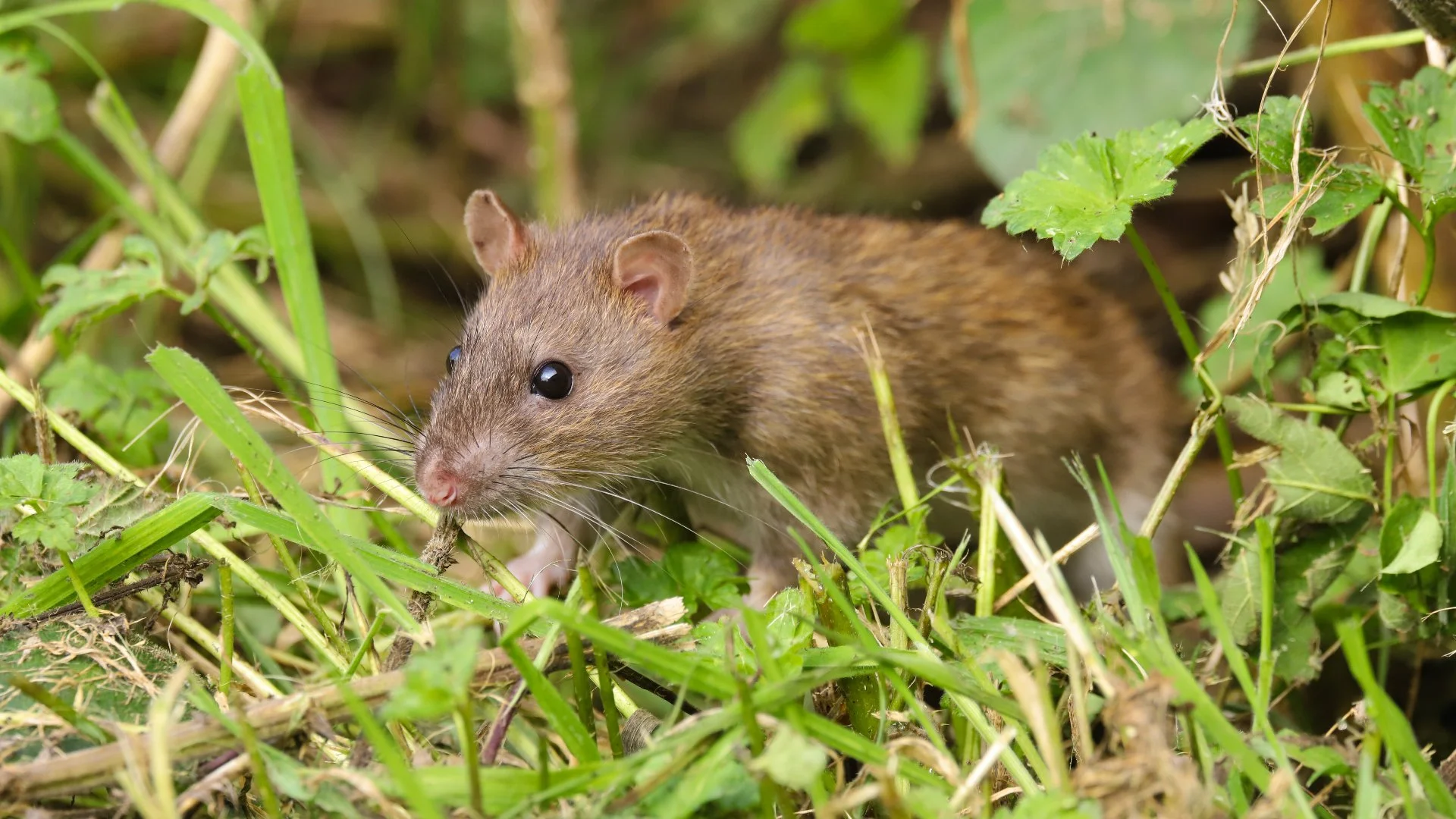
Roof Rat Runs Along Fence Tops in DFW Subdivisions
Roof rat activity in North Texas rarely starts inside the attic. Many colonies establish runs along fence tops, privacy walls, and pool cages before anyone sees droppings in insulation.
This article reads fence layout, tree overlap, and how rodent control plans should pair exclusion at the eave line with habitat reduction on the ground across DFW service areas.
Why fence tops become roof rat highways
Roof rats prefer elevated travel that keeps them off open Bermuda and away from dogs. A six-foot board-on-board fence with a flat cap gives a continuous corridor from garage alley to backyard live oak.
In master-planned subdivisions around Plano and Frisco, rear fences meet side walls at tight corners. Those corners collect stored cushions, ladder sections, and irrigation boxes that widen the runway.
Photograph fence runs at dusk with a phone light angled along the cap. Smear marks, broken spider webs, and compressed dust often appear before attic noises or citrus damage show up.
Tree canopies and power lines that extend the route
Branches that touch rooflines or hang above fence caps create a second story for roof rats. Red oaks and mature crepe myrtles along back fences are common launch points in older North Dallas corridors.
Utility lines crossing alleys can complete a path from a neighbor pecan to your fascia. Map every overhead link on the same sketch as fence segments.
Trim rules in HOA neighborhoods often delay cutting until canopy already bridges multiple lots. Request clearance that opens a two-foot gap between limb ends and structure, not only cosmetic shape.
Attic entry points roof rats target after fence travel
Once rats establish a fence rhythm, they probe attic vents, roof returns, and gable screens for soft edges. Clay tile homes may show entry at clay overhangs while composition roofs fail at plastic ridge vents first.
Garage attic hatches and pull-down stairs are secondary entries when weather seals gap after heavy use. Droppings near stored holiday bins are a clue the fence line fed the garage before living space.
Professional rodent control should list fence, tree, and roof findings on the same report. Treating the attic without breaking the fence runway often means new activity within a month on the same cap.
Fruit, feeders, and pet food that anchor backyard colonies
Fall citrus, figs, and fallen pecans along fence lines concentrate feeding on lots that otherwise look tidy. Harvest debris on Bermuda edges feeds rats without obvious open trash.
Bird feeders mounted on fence posts spill seed into weep holes at block walls. That seed draws rodents to the same elevation they already use at night.
Outdoor pet bowls beside patio doors can pull rats from fence runs toward slab moisture. Feed pets on a schedule and lift bowls after dusk when fence activity peaks.
Exclusion habits that match North Texas construction
Metal vent screens should be hardware cloth grade, not lightweight bug mesh roof rats can push aside. Secure screens with screws, not staple-only edges that sun embrittles in a single Texas summer.
Fence-line storage sheds need door sweeps and no gaps under siding where rats stage before the attic push. A tidy fence cap is not enough when shed walls touch the same route.
Seal cable and irrigation penetrations at brick weeps before cold fronts drive rodents toward warmth. Foam-only plugs without backing plate fail quickly on expansive clay that shifts trim.
When to schedule inspection before nesting season
Roof rat litters climb when attic temperatures stabilize in late fall and early winter across DFW. Fence runs documented in October explain attic noise that arrives in November if entry gaps stay open.
Bring fence photos, tree overlap notes, and vent closeups through contact us before guest weeks or holiday storage climbs into infested insulation.
SureGuard pairs rodent control with exclusion planning so fence-top runs do not restart after attic cleanup on the same subdivision lot.
Clay soil, fence lines, and irrigation habits on North Texas lots change how the same pest sign should be interpreted across Plano, Frisco, McKinney, Arlington, and Fort Worth. Record moisture, traffic paths, and recent landscape work before the service plan is set.
Clay soil, fence lines, and irrigation habits on North Texas lots change how the same pest sign should be interpreted across Plano, Frisco, McKinney, Arlington, and Fort Worth. Record moisture, traffic paths, and recent landscape work before the service plan is set.
Disclaimer: This article is for general informational purposes only. It is not professional advice, a quote, or a service agreement. Conditions at your home or property may differ; contact a qualified professional for an on-site evaluation before making repair, safety, or spending decisions.