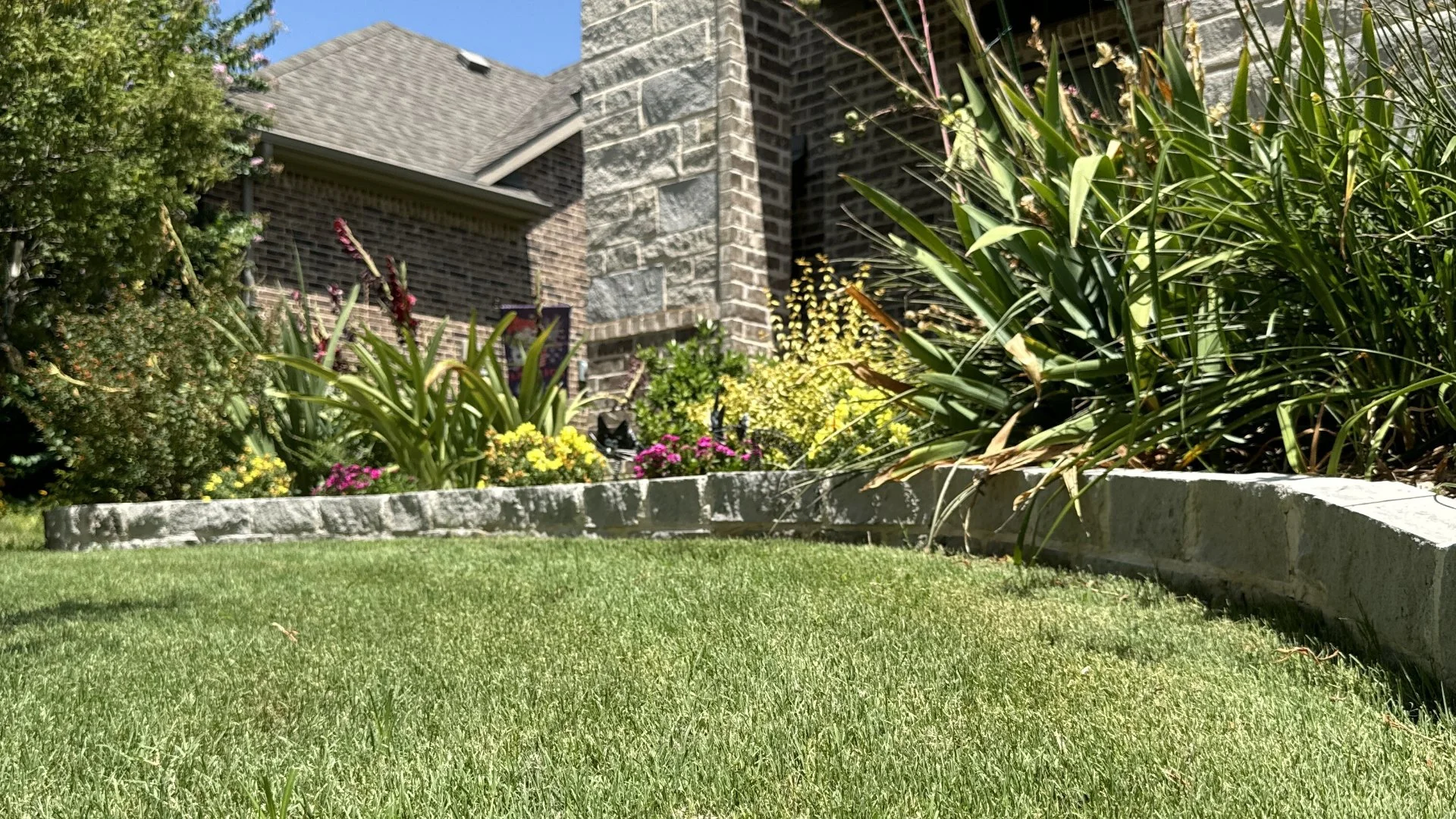
Texas lawn care gets frustrating fast because your yard can look decent on Monday, then tired, thin, or patchy by the weekend after one brutal hot stretch. The fix is usually not doing more. It is doing the right few things for Texas heat, soil, pests, and grass type so your lawn stops fighting the wrong plan.
If you want the short version, here it is: Texas lawn care means matching your routine to warm-season grass, long summers, clay-heavy soil, and pest pressure. Healthy turf in places like Waco, Dallas-Fort Worth, and Cedar Creek usually comes from steady mowing, deep watering, smart timing, and catching problems early before they spread.
What you’ll learn in this guide: - How to identify your grass - What changes by Texas location - The mowing and watering rules that matter - How to spot weeds, pests, and lawn stress - When to aerate, seed, or sod - What to handle yourself and what to hand off
Why texas lawn care feels different
A Texas lawn is not a generic suburban lawn with a bigger thirst. That is the mistake that keeps yards stuck.
The weather shifts hard. A lawn in Waco can get baked by heat for days, then hit by a storm that drops water faster than the soil can absorb it. In Dallas-Fort Worth, clay soil can stay tight and stubborn even when the grass above it looks green. Around Cedar Creek, you can deal with heat, insect pressure, and uneven moisture all in the same month. So if your yard seems inconsistent, that is normal.
Here’s the thing: most lawn problems in Texas are connected. Grass gets stressed from mowing too short or watering too often. Stressed grass thins out. Thin grass gives weeds and insects room to move in. Then the lawn starts looking like it has ten separate problems when it really started with one or two basic habits.
That is why the best approach is simple, not fancy. Start with the lawn you actually have, then build a routine around what grows well in your part of Texas.
Start with the lawn you actually have
Guessing is expensive. It leads to the wrong mowing height, the wrong repair method, and treatments that miss the actual issue.
Start by looking at five things: grass type, how much sun the yard gets, where shade sits during the day, how water moves after rain, and how much foot traffic hits the lawn. A front yard that gets full sun all day behaves very differently from a fenced backyard with tree shade and two dogs wearing a path to the gate.
Soil matters too. Much of North and Central Texas leans heavy with clay, which means water can pool on top before it soaks in. That creates runoff, which just means water sliding away before roots can use it. Compacted soil is another common issue. That is soil pressed so tightly that air, water, and roots struggle to move through it.
Common texas grass types
St. Augustine is one of the easiest to spot because it has broad blades and a thick, almost carpet-like look. It handles heat well and does better with some shade than Bermuda, but it can struggle if you scalp it or let pests get ahead of you. It usually wants a higher mowing height.
Bermuda is the sun-lover. It spreads aggressively, handles foot traffic well, and recovers fast when actively growing. The catch is shade. In a partly shaded yard, Bermuda often thins out and starts looking weak no matter how much attention you give it.
Zoysia sits in the middle in a lot of ways. It can look dense and polished, handles heat, and often feels softer underfoot. It can tolerate some traffic and some shade depending on the variety, but it grows more slowly, so recovery can feel slower too.
Centipede shows up less often in these areas than the others, but you may still see it. It is lower-maintenance in some settings, though it does not love heavy traffic and usually does best when you do not overfeed it.
If you are trying to identify yours, blade width and growth habit usually tell the story faster than anything else. Broad and thick often points to St. Augustine. Fine and dense in full sun often points to Bermuda or Zoysia.
What changes by location in texas
In Waco, long hot spells can stress turf quickly, especially if watering is shallow or inconsistent. Lawns there often do best with a steady routine and close attention during peak summer heat.
In Dallas-Fort Worth, clay-heavy soil is a big part of the story. Watering too fast can lead to runoff, and compacted areas often show up in lawns with regular traffic or new construction nearby. Aeration tends to matter more there than many homeowners expect.
In Cedar Creek, heat and pests can team up in a hurry. A lawn can look dry when the real issue is insects feeding at the base. That is why quick inspections matter, especially in summer.
Different zip codes, same rule: your lawn care plan should fit local conditions, not an internet checklist written for somewhere with mild weather and easy soil.
Build a simple lawn care routine that works in texas
Good lawns usually come from boring consistency. That is actually good news, because it means you do not need a complicated system.
The core routine is straightforward: mow at the right height, water deeply, feed during active growth, and make seasonal adjustments before stress piles up. If you stay steady on those four things, a lot of common lawn problems either never start or stay manageable.
Mow for health, not just for looks
Cutting grass too short is one of the fastest ways to stress a Texas lawn. Short grass loses moisture faster, heats up faster, and has less leaf area to fuel root growth. It may look neat for a day or two, then fade fast.
Warm-season grasses usually do better when you avoid removing more than about one-third of the blade at a time. During active growth, that often means mowing once a week, sometimes more for Bermuda in summer. St. Augustine and Zoysia usually benefit from being kept a bit taller.
Sharp mower blades matter more than most people think. Dull blades tear grass instead of cutting it cleanly, which leaves the lawn looking ragged and more vulnerable to stress. Edging helps the yard look finished, but it should support mowing, not replace it as the main event.
Water deep, not constantly
Texas lawns usually respond better to deep watering a few times a week than to a light sprinkle every day. Deep watering encourages roots to grow down where moisture lasts longer. Shallow watering trains roots to stay near the surface, where heat dries everything out fast.
A lot of established warm-season lawns do well with roughly 1 inch of water per week, including rainfall, though extreme heat can push needs higher. The better way to judge is by the lawn itself. If footprints linger in the grass or blades start folding and turning dull blue-green, the lawn is asking for water.
Overwatering has its own signs. Mushy ground, constant sogginess, fungus-prone areas, and yellowing that does not improve can all point to too much water. If water starts running down the curb before it soaks in, slow the application down. That is often a sign of compacted soil or clay-heavy ground that needs time to absorb moisture.
Feed the lawn at the right time
Fertilizer works best when the lawn is actively growing and able to use it. In Texas, that usually means late spring through summer for warm-season grasses, not the first warm weekend of the year when the lawn still looks half asleep.
Timing matters more than enthusiasm. Feeding too early can encourage weak growth. Feeding too much in intense heat can stress the lawn, burn roots, or push tender growth that struggles in harsh conditions.
A steady, moderate approach usually beats dumping product and hoping for a miracle. If your lawn is already thin because of shade, poor watering, or insects, fertilizer alone will not fix it.
Fix the biggest texas lawn problems before they spread
Most people start paying close attention when the lawn looks bad. Fair enough. The trick is knowing what the lawn is trying to tell you before the problem gets expensive.
Common lawn weeds in texas
Weeds are usually a symptom, not just an eyesore. Broadleaf weeds like clover or dandelion-type invaders often show up where turf is thin. Grassy weeds like crabgrass move into open, sunny space where regular grass is weak or patchy.
Seasonal weeds also tell you something about timing. If summer weeds keep returning, prevention probably started too late or the lawn never filled in densely enough to crowd them out. If clover keeps showing up, the turf may be thin, mowed too short, or underfed.
A healthy lawn is your best weed control. Not perfect, but best. Thick turf blocks light, competes for space, and makes it harder for weed seeds to get established.
Bare spots, thinning grass, and patchy areas
Before throwing seed or fertilizer at a bare spot, inspect the area closely. Is it in deep shade? Near a downspout? Along a dog run? Does the soil feel hard as concrete? Does the area stay wet after rain?
Patchy grass often comes from traffic, compacted soil, poor drainage, insects, disease, or simply trying to grow the wrong grass in the wrong spot. A Bermuda lawn under dense shade will keep struggling no matter how often you feed it. A soggy low spot may need drainage help before any grass repair will last.
A simple inspection saves time. Tug gently on damaged grass. Check soil moisture. Notice whether the problem is spreading outward or staying contained.
When a lawn problem is more than cosmetic
Some lawn issues are ugly but stable. Others need quick action.
If grass pulls up easily with almost no roots attached, insect damage may be involved. If the area feels mushy, smells off, or expands after watering, there could be drainage or disease issues. If color changes happen fast, especially in the heat, look for pests before assuming drought.
Rapid decline is the clue. A lawn that changes drastically in a few days is rarely dealing with a harmless cosmetic problem.
Handle texas pests before your yard pays for it
In Texas, lawn care and pest control overlap more than people expect. A yard can look dry, tired, or thin when insects are doing the real damage below the surface or at the base of the grass.
Grubs, chinch bugs, and armyworms
Grubs feed below the surface and damage roots, which can leave grass feeling loose. If sections of turf peel back like a piece of old carpet, grubs are a strong possibility.
Chinch bugs are common in hot, sunny areas, especially in St. Augustine. Damage often looks like drought at first: yellowing, browning, and stressed patches in areas that get hammered by heat. The difference is that watering does not solve it.
Armyworms move fast. One day the lawn looks fine, the next day sections look chewed down almost overnight. If you notice sudden feeding damage, do not wait around hoping it will stop on its own.
Fire ants and other yard pests
Fire ants are not just annoying. They make a yard harder to use, turn mowing into a gamble, and create a real problem for kids, pets, and anyone spending time outside.
Mounds often show up in open sunny areas, along edges, or scattered through turf after rain patterns shift. Once outdoor pests start changing how comfortable your yard feels, it is no longer just a minor nuisance. It is affecting how usable the property is.
Other yard pests can add to the pressure too, especially when the lawn is already stressed. Weak turf tends to invite more problems, not fewer.
When pest control and lawn care need to work together
Treating bugs without fixing the lawn conditions that helped them move in is like patching one leak and ignoring the roof. You may get short-term relief, but the pattern usually comes back.
Healthy turf helps resist pest pressure because dense growth shades soil, supports stronger roots, and recovers faster from damage. Proper mowing and watering will not replace pest treatment when insects are active, but those habits do make treatments work better and last longer.
Know when to aerate, seed, or sod
After a rough season, it is tempting to throw every fix at the yard at once. Usually, one repair method makes more sense than the others.
Aeration for hard texas soil
Aeration means pulling small plugs from the lawn to open compacted soil. In clay-heavy areas around Dallas-Fort Worth, this can make a huge difference.
When soil is tight, water sits on top, roots stay shallow, and fertilizer has a harder time reaching the root zone. Aeration creates space for air, moisture, and nutrients to move down where the lawn can use them. If your yard feels hard underfoot and water tends to puddle or run off, aeration is often worth it.
Seeding vs. sodding in texas
Seeding is cheaper, but it takes longer and does not suit every warm-season grass equally well. Bermuda is commonly seeded. St. Augustine usually is not, which is why damaged St. Augustine lawns are often repaired with sod or plugs instead.
Sod costs more up front, but it gives you instant coverage and faster visual recovery. For small patches, plugs or patch sod may be enough. For large bare sections or a full reset, sod is often the cleaner solution if the budget allows.
Best times for lawn repair
Late spring through early summer is usually the best repair window for warm-season Texas lawns because the grass is actively growing and can recover. That is when roots can establish and fill in.
Trying major repairs during dormancy usually wastes effort. Trying them in peak heat can also backfire if the lawn is already stressed. Repair works best when the grass has time and energy to respond.
Follow a texas lawn care schedule through the year
A seasonal rhythm keeps lawn care from turning into random reaction.
Spring: wake the lawn up the right way
Start with cleanup. Remove debris, check for winter damage, and give the lawn its first mow once growth actually starts. If pre-emergent weed control is part of your plan, timing matters more than doubling up later.
Spring is also when watering systems, drainage issues, and thin areas start revealing themselves. Fix the basics early so summer does not magnify every weakness.
Summer: protect the lawn from heat stress
Summer is about protecting momentum, not chasing perfect color at any cost. Mow a little higher, water deeply, and keep an eye out for dry spots that stay stressed even after irrigation.
This is also prime time for chinch bug activity, fire ant flare-ups, and heat stress. In a Dallas-Fort Worth July or a scorching week in Waco, your lawn needs stability more than aggressive treatment.
Fall and winter: prep for a strong comeback
As growth slows, ease back. Keep mowing as needed, but do not force growth with unnecessary feeding late in the season. Stay ahead of weeds, clean up leaves, and stop watering on autopilot when cooler weather reduces demand.
Fall habits matter because they shape what spring looks like. A lawn that goes into winter clean, even, and not overly stressed is easier to bring back.
Disclaimer: This article is for general informational purposes only. It is not professional advice, a quote, or a service agreement. Conditions at your home or property may differ; contact a qualified professional for an on-site evaluation before making repair, safety, or spending decisions.