A shrub can develop yellow leaves because of scale insects. It can also develop yellow leaves because of disease, damaged roots, poor drainage, drought, nutrient problems, herbicide exposure, or ordinary seasonal change. A tree can lose branches because borers damaged it. It can also decline because construction disturbed the roots or because the irrigation system no longer reaches the root area.
SureGuard publishes tree and shrub disease control separately from tree and shrub insect control. Our insect page specifically lists aphids, scale, borers, and other plant pests, while our disease page focuses on diagnosing and treating plant diseases. The technician needs evidence before choosing the service.
Begin with the whole plant
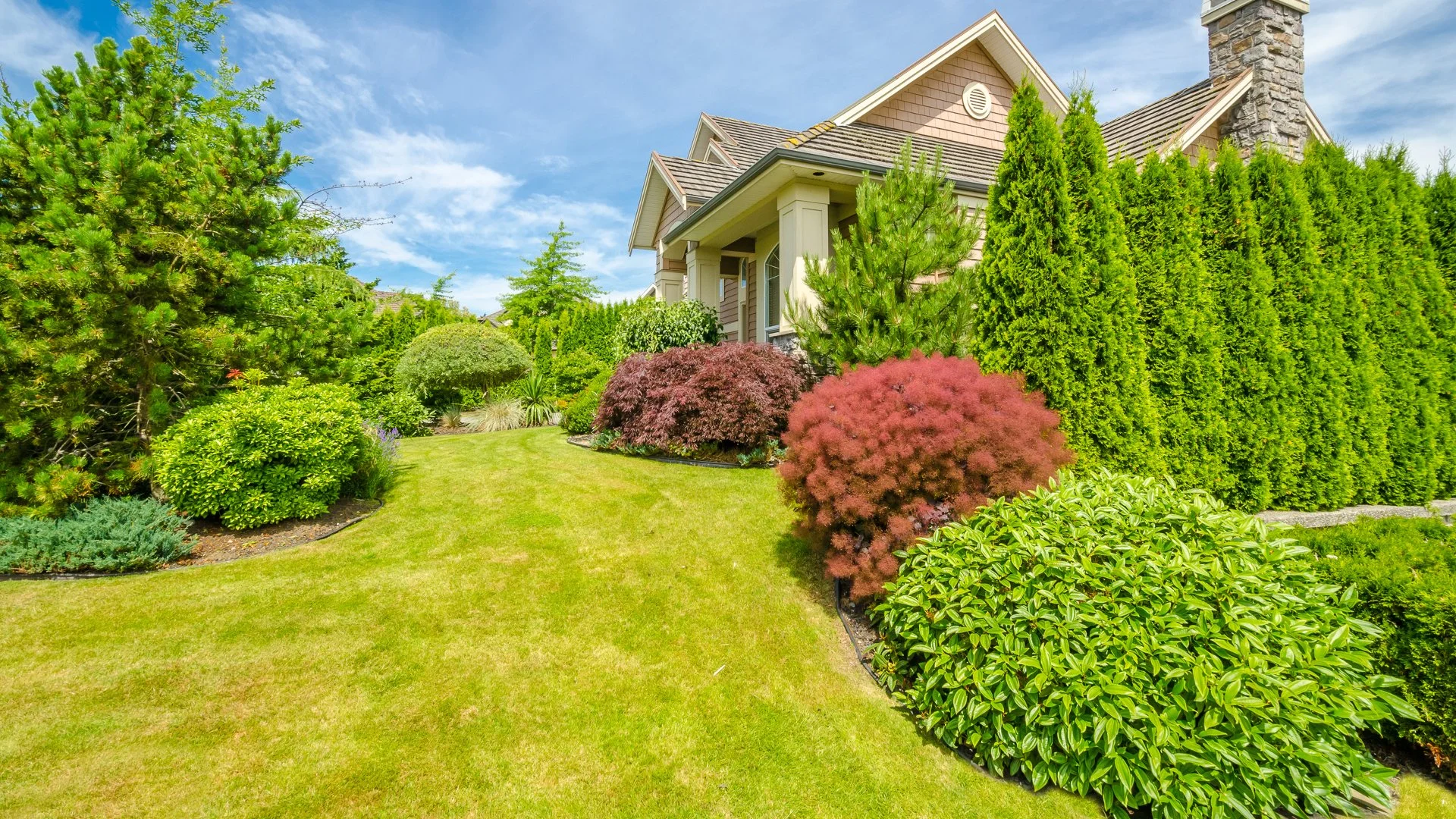
A close photograph of one damaged leaf can be useful. It should be paired with photographs showing the entire plant, surrounding plants, trunk or stems, upper and lower leaf surfaces, bark, root flare, soil, irrigation, nearby construction, sun exposure, and the pattern of decline. A disease may create one pattern across several plants. An insect may concentrate on certain branches or plant species. Water stress may affect the plants sharing one irrigation zone. The wider view helps us understand whether the symptom is isolated or part of a property pattern under our broader tree and shrub care program.
Insect evidence may include the insect or its byproducts
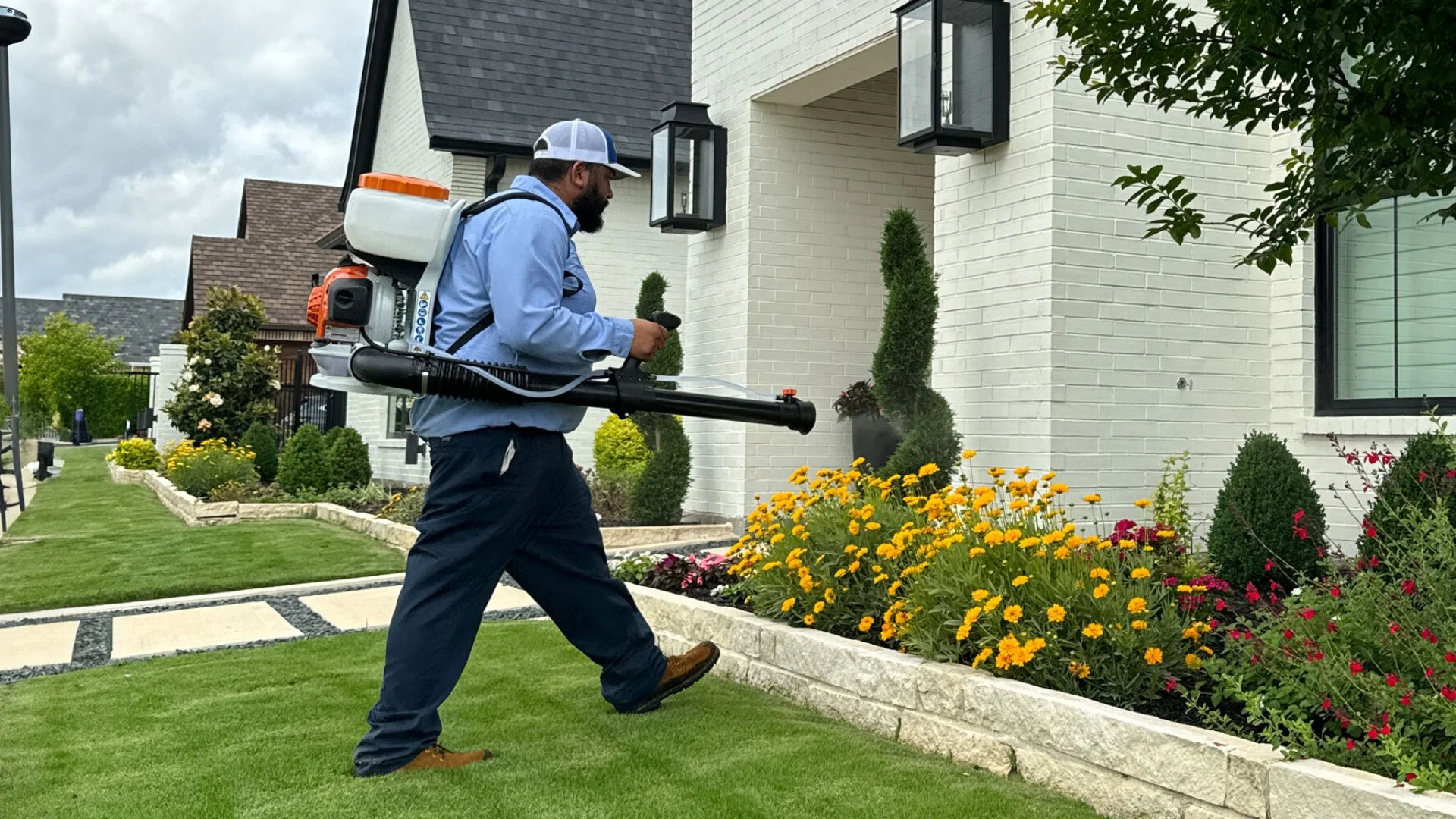
Our tree and shrub insect service lists aphids, scale, and borers among the pests it treats. Possible observations include visible insects, scale-like bumps, sticky residue, sooty surface growth associated with residue, exit holes, frass, chewed leaves, distorted new growth, webbing, shed skins, ant activity around plant insects, and branch decline. Do not scrape every scale-like spot or wash the plant before inspection. The technician may need to see where the evidence appears and how broadly it is distributed.
Disease evidence can change with weather
Plant diseases may become more visible after certain combinations of moisture, temperature, plant stress, and growth. Record when symptoms began, recent rain, irrigation schedule, humidity or prolonged wet foliage, pruning, new planting, mulch, fertilization, previous fungicide, plants affected, whether new growth is involved, and whether symptoms recur annually. Our disease-control service begins with a complete property assessment and customized treatment planning. The technician should connect the proposed application with an identified or strongly supported disease concern.
Aphids and scale do not require the same conversation as borers
Aphids and some scale insects may be visible on leaves or stems. Borers can spend important life stages beneath bark or inside plant tissue. The inspection and timing can differ substantially. Ask which insect was identified, which life stage is present, which plant is affected, what treatment method is recommended, why the timing fits, whether the treatment is preventive or responsive, whether damaged material needs pruning, and which plants should be monitored. Do not accept tree bugs as the final diagnosis when a more specific explanation is available.
Lawn disease and tree disease are separate services
We provide lawn disease control as well as tree and shrub disease treatment. A circular brown turf patch and spotted ornamental leaves may appear during the same wet period. They should not automatically receive the same product or technician scope. Report lawn symptoms with grass type, patch pattern, irrigation zone, mowing, soil moisture, and recent lawn treatment. Report trees and shrubs with plant species, leaf or branch symptoms, bark, root zone, pruning, and plant-health history. One property visit can document both. The service report should identify what was treated in each area. Lawn insect pressure remains under lawn insect control rather than the ornamental program.
Root and water problems can imitate treatment needs
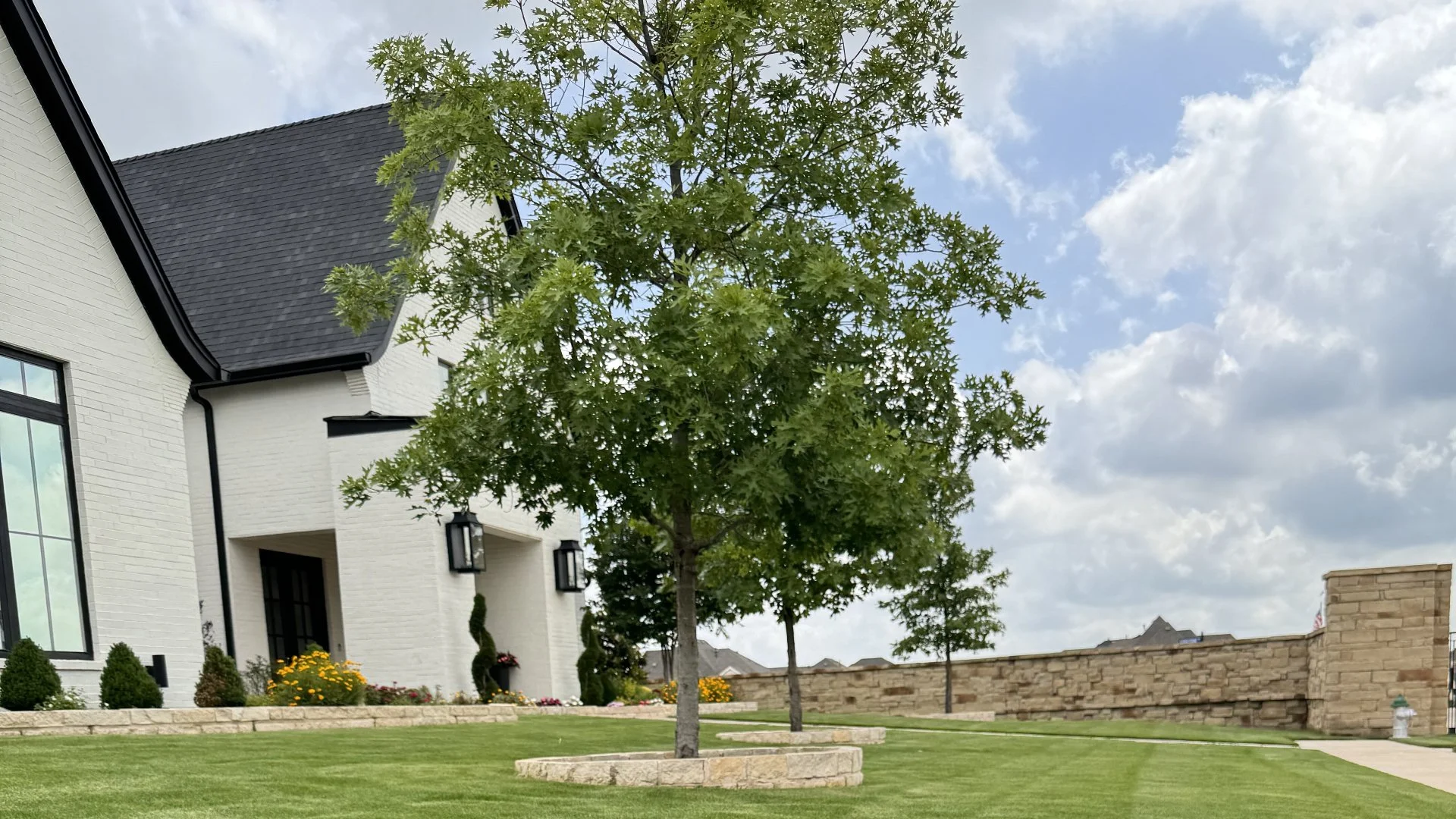
Before another disease or insect application, we should consider whether the plant is affected by broken irrigation, excess irrigation, poor drainage, soil compaction, grade change, mulch against the trunk, construction, root cutting, recent planting, heat reflection, drought, winter damage, or string-trimmer injury. A treatment may address the diagnosed pest or disease. It will not rebuild a severed root or move standing water away from the plant. The report should identify those non-treatment recommendations separately. Turf fertility questions that affect nearby beds may also involve lawn fertilization or weed control timing.
Pruning should be coordinated with diagnosis
A landscape crew may remove damaged branches before we arrive. That can remove evidence the technician needs. Before ordinary pruning, photograph the plant, mark affected branches, record when symptoms appeared, ask whether we want to inspect first, save representative material when requested, tell the pruning company about treatment, and record what was removed. Branches creating an immediate hazard may still need prompt professional attention. The plant-health and pruning scopes should be coordinated rather than handled without communication.
Treatment timing should follow the target
A recurring service schedule can support monitoring, but not every plant needs the same product at every visit. Our service pages describe ongoing treatment and monitoring following the property assessment. The report should identify the plant, diagnosis, target, product or method, date, conditions, area treated, follow-up, result being monitored, and next timing window. This record becomes particularly important when insect and disease programs operate on the same ornamental landscape.
Map every treated plant
Number important plants or groups with a plant ID, location, symptom, diagnosis, service, date, and review. This prevents a follow-up technician from treating the wrong plant because several similar shrubs line the house. Commercial campuses, shopping centers, HOAs, hotels, medical properties, and educational campuses often need that same reporting structure. Even for a residential Dallas property, the homeowner should be able to see which plant received which service and why.
We serve Dallas from our office at 13663 Jupiter Road, Suite 407A, Dallas, TX 75238. Browse more guidance on the blog, or reach us through the contact page or at (972) 406-8600.