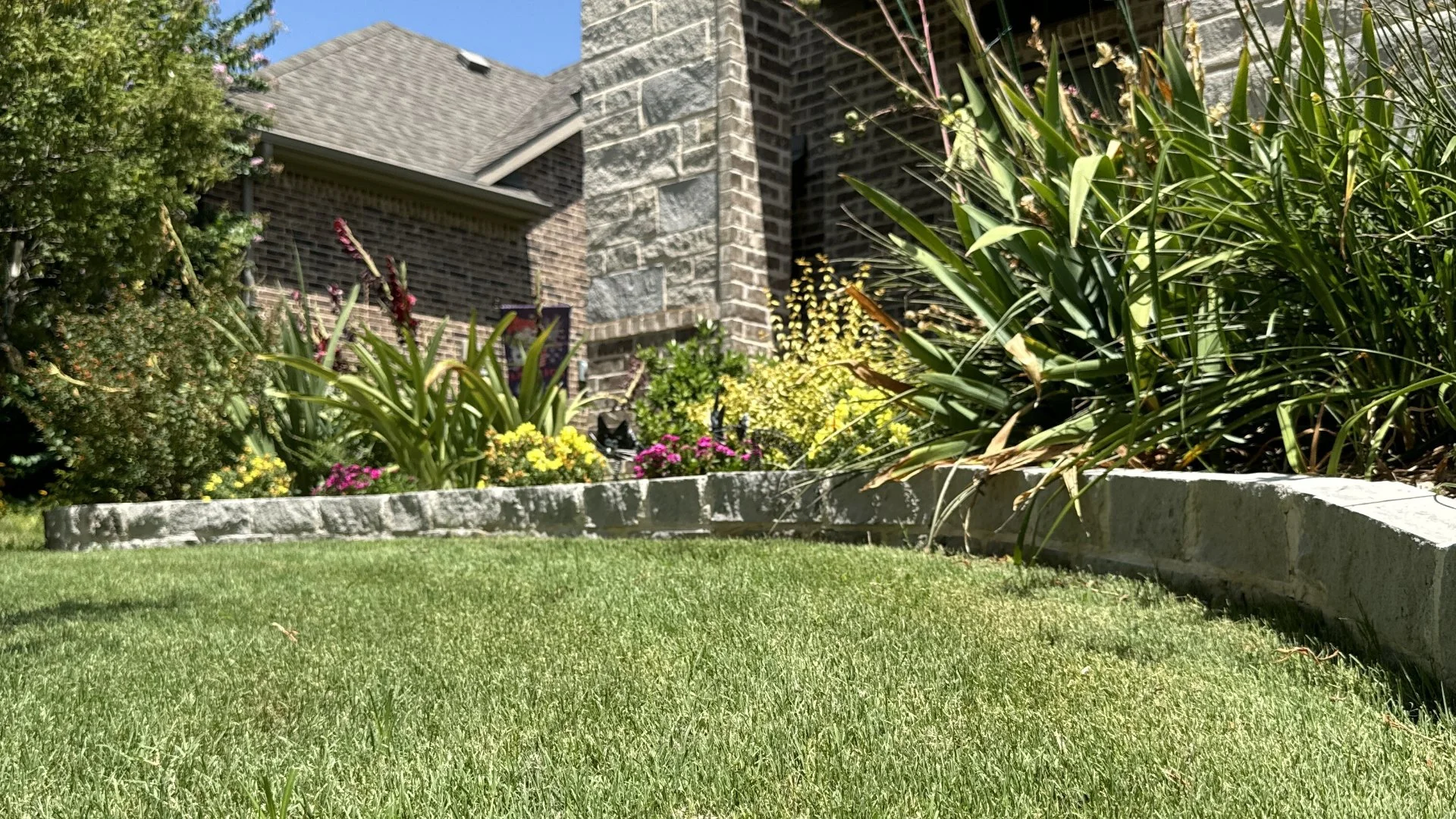
Late spring around Arlington, Frisco, and Waco delivers a handoff week when Bermuda and Saint Augustine look eager above ground while grubs, chinch bugs, and armyworms often work below or along the canopy edge. Color can stay green while roots thin. Mowing can look normal while blades show chewed margins after dusk. None of that means panic. It means your walk should include insect signals before peak heat compresses recovery time on North Texas clay.

Why warm season turf hides feeders early

Bermuda in full sun pushes runners once soil stays warm. Saint Augustine in afternoon shade holds moisture longer, which changes where chinch pressure starts. Both grass types can mask subsurface feeding until a hot dry block arrives and roots fail to keep pace. Read stopping lawn pests and hidden grass damage for the wider frame on why surface color lies slower than root loss.

Pair that context with lawn insect control so you know how professional visits layer scouting, timing, and turf recovery instead of one generic spray story.


Grub clues below the green stripe

White grubs chew roots under the thatch line. Early signs are subtle: turf feels spongy then loosens underfoot, sod pulls like a carpet corner, or raccoon and armadillo scratches appear on soft nights. Probe a thin zone with a hand trowel at the seam between healthy and weak grass. C shaped larvae in the top few inches of soil belong in the conversation before you blame fertilizer alone.

Photograph the probe slice in morning light and note whether damage sits in sun or shade. Service detail for preventive work lives on grub control within our lawn care menu. If broad patches already look tan while neighbors still green, read brown patches that stay tan while the rest greens up so you separate insect loss from fungus or shade stress.


Chinch bug signals on Saint Augustine and stressed Bermuda

Chinch bugs suck moisture from crowns and stolons, often starting in hottest driest edges beside pavement, curbs, and reflected heat from stone. Early damage looks like irregular yellowing that ignores your best water pass. Look at the border between green and straw colored turf. Part the canopy gently at soil level in bright sun. Fast moving adults and smaller nymphs near the thatch line confirm the story faster than another long irrigation cycle.

Overwatering stressed zones can make chinch pockets worse by favoring fungus on top while insects keep feeding below. Review how much and when to water your lawn in Dallas and Fort Worth before you flood a heat edge that needs scouting instead of runtime. Coordinated visits through lawn care keep feeding, weed work, and insect timing on one calendar.


Armyworm margins after warm rain

Fall armyworms and related caterpillars can strip blades fast once humidity and night temperatures cooperate. Early signals are chewed leaf margins, sawdust like frass in the canopy, and birds concentrating on one stripe. Walk the lawn at dusk with a flashlight on low turf beside fences and pool decks. Small larvae hide under dew wet blades before they advance across open Bermuda in a single weekend.

If thatch was already thick earlier in the year, canopy density can hide larvae until a sudden thin pass appears after mowing. Revisit Bermuda thatch signals in North Texas yards when blades look uneven for reasons beyond insects alone. Lawn fertilization should follow growth after insect pressure is mapped, not before you know what is chewing.


Separating insect loss from water and disease

Three questions keep walks honest. Does damage follow a straight sun line beside pavement. Does turf pull easily without roots attached. Do chewed blades outnumber circular fungus patterns. If only one corner declines while feet still squish, water may still be part of the story. Read puddles that sit for days when clay holds moisture below a dry surface.

Send two photos and your town through contact when color and texture disagree. We may discuss aeration or scouting visits without promising one pass fixes every cause.


Mowing and traffic habits that expose or hide damage

Scalping before a holiday weekend exposes crowns and makes insect injury look sudden. Taller warm season canopies shade soil and reveal chewed tips more honestly than a revenge cut. If growth jumped after storms, mow on schedule instead of waiting until blades clog the deck. Dog paths and trampoline skirts concentrate wear where chinch edges also start. Note both when you call.

Perimeter pests are a different ticket than lawn feeders. If mounds and porch ants are the louder headline, read fire ant mounds after spring rain and keep lawn insect scouting separate from fire ant control plans near play areas.


What to photograph before peak heat

Capture a wide shot of the weak stripe, a close shot of chewed blades or probe soil with larvae visible, and a note about grass type and sun exposure. Mark whether the zone sits beside pavement, a downspout, or open sun. That trio moves a technician conversation forward faster than a single olive photo after a hot afternoon.

Repeat the walk after the next dry block. Insects that were hiding often declare themselves once heat stress removes the green mask. Compare notes week to week instead of treating every tan corner as the same pest.


How SureGuard fits North Texas calendars

We work across Dallas Fort Worth, Waco, Cedar Creek, Mabank, and surrounding communities. The lawn care menu lists how fertilization, weed work, aeration, and insect scouting stay coordinated before summer traffic returns. Weed control still matters when thin turf invites summer annuals into open soil.

This guide supports your walk. It does not replace label reading on products already applied or a licensed inspection when damage feels sudden across the whole yard. Honest scouting in late spring often explains what peak heat would otherwise blame on drought alone.

Write grub probe results on the calendar beside mowing dates. That history helps technicians see patterns faster than memory when peak heat arrives and every stripe looks tired at once.

Bermuda beside Saint Augustine on the same lot needs split reads. Insects rarely respect property lines drawn in grass seed bags from different years.

Evening humidity after storms keeps blades wet longer near foundation shrubs. Pair lawn insect walks with perimeter pest control only when entry pests are also part of the story, not as a default for every chewed blade.

When several worries fire at once, one coordinated plan beats two emergency calls that do not share notes. Tell your provider where probes found larvae, where chinch edges started, and where armyworm frass appeared.