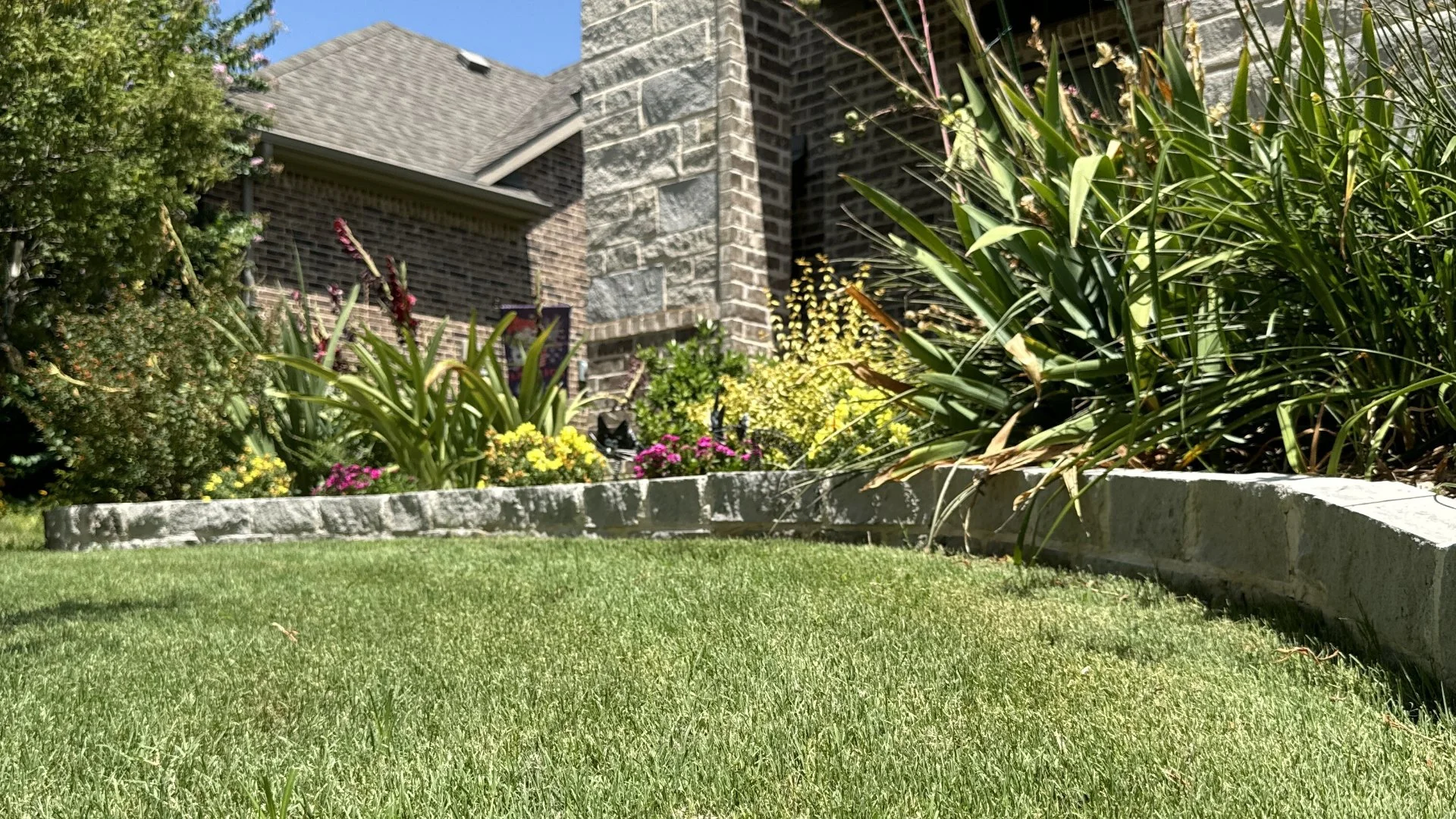
A good lawn care program can save your yard, but in Texas it can also waste a lot of money if it’s built on generic advice. Grass in Waco, Dallas-Fort Worth, and Cedar Creek deals with long heat, hard soil, sudden rain, and weeds that seem to show up overnight, so the right program needs to fit your property, not just fill a calendar.
What a lawn care program actually covers in texas
A lawn care program is an ongoing treatment plan for keeping turf healthy through the year. In plain English, that usually means fertilization, weed control, insect monitoring, disease checks, and seasonal treatments timed to how your grass grows. It is not the same as basic mowing, and it is definitely not a one-time spray visit.
Here’s the thing: in Texas, a lawn care program should work more like preventive maintenance than emergency cleanup. If the only time anything happens is after weeds explode or brown patches spread, the program is already behind. A solid plan gets ahead of problems, adjusts through the seasons, and gives your lawn support when it is actually useful.
That matters because Texas lawns stay active for a long stretch of the year. Warm-season grasses can grow aggressively in spring and early summer, then hit stress hard in peak heat. Clay-heavy soil can hold water too long in one storm, then bake into brick a week later. If your program ignores those swings, it is not much of a program.
A good provider should cover the basics and adapt the details. Fertilizer rates, weed timing, insect treatments, and follow-up advice should change based on your grass type, your irrigation, your shade, and the pressure your lawn faces through the year.
Why texas lawns need a different game plan
A lawn care plan that looks fine on paper in another state can fall apart fast in Texas. The climate pushes lawns harder, the growing season runs longer, and lawn problems tend to show up earlier and spread faster. That means timing matters more, product choice matters more, and lawn stress matters more.
In Waco, you can get weeks of heat that leave thin turf open to weeds and insects. In Dallas-Fort Worth, lawns often deal with compacted soil, high summer stress, and neighborhoods with watering restrictions. Around Cedar Creek, some properties have more open sun, variable drainage, and pressure from both turf pests and broadleaf weeds. Different places, same problem: your lawn needs a plan built for Texas conditions, not a canned service menu.
Texas lawns also tend to face layered issues. A dry lawn cut too short becomes stressed. Stressed grass gets thinner. Thin turf gives weeds room to move in. Add chinch bugs or fungus, and what started as “just a few rough spots” turns into a much bigger repair bill. The best lawn care programs understand that chain reaction and break it early.
Climate, soil, and stress matter more than a generic schedule
North and Central Texas lawns often grow in clay soil, and clay changes everything. It compacts easily, drains unevenly, and can keep roots from getting the air and water balance they need. You can water regularly and still end up with a lawn that struggles because the soil underneath is working against you.
Then there’s heat stress. During a Texas summer, even healthy turf can slow down, discolor, or thin out. That does not always mean it needs more fertilizer. In fact, pushing too much fertilizer during extreme heat can make stress worse, not better. A smart lawn care program knows when to feed growth and when to protect the lawn from doing too much.
Watering limits and weather swings complicate things further. A provider should take your irrigation setup seriously, because a beautiful treatment plan means very little if one side yard stays soggy and the other side bakes beside the driveway. The same goes for weed pressure. Some lawns need stronger prevention in one season and lighter touch-ups in another. A fixed monthly script misses too much.
If a company treats every yard on the block the same way, that is not efficiency. That is guessing.
Start with your grass type
Your grass type should drive almost every major decision in your lawn care program. Turfgrass simply means the grass grown as a managed lawn, the kind you mow, water, and try to keep dense and healthy. In Texas, most home and commercial lawns rely on warm-season turfgrasses, but not all warm-season grasses behave the same way.
That difference matters more than many lawn companies admit. One grass can handle close mowing and heavy sun, while another needs a higher mowing height and gets stressed easily by certain treatments. If your provider cannot identify your grass or does not seem to care, that is a bad sign right away.
Bermuda grass
Bermuda grass is common across Texas for a reason. It loves sun, grows fast, and spreads aggressively through runners above and below the soil. When it is healthy, it fills in well and competes hard against weeds. That makes it a popular choice for homes, sports areas, and many commercial properties.
The catch is that Bermuda usually wants more active management. It often needs more frequent mowing during the growing season, and it responds quickly to fertilizer, sometimes a little too quickly. Overfeed it, and you can end up with flushes of growth that look great for a minute but create stress, scalping, or disease risk if mowing and watering do not keep pace.
A good lawn care program for Bermuda should pay attention to growth rate, mowing height, and traffic. Thin Bermuda in shaded areas is a common headache, because this grass really does want full sun. If your yard has large shade pockets, Bermuda may never perform evenly across the whole property, no matter how much treatment gets applied.
St. augustine grass
St. Augustine is another familiar Texas lawn grass, especially where a softer, broader blade and better shade tolerance are appealing. It can produce a lush look, but it also comes with more sensitivity. That matters a lot when choosing a provider.
This grass is more prone to issues like chinch bugs and certain fungal diseases, especially when heat, humidity, and moisture problems overlap. It also does not love every herbicide treatment the way tougher grasses might. Improper applications can injure St. Augustine fast, which means a provider needs to know exactly what is safe and what is not.
If your property has a mix of sun and shade, St. Augustine can make sense, but it still needs thoughtful care. Overwatering, mowing too short, or treating every yellow patch as a fertilizer problem can make things worse. A lawn care program for St. Augustine should include careful monitoring, not just blanket applications.
Zoysia and other common texas lawns
Zoysia sits somewhere between beauty and patience. It can form a dense, attractive lawn with decent wear tolerance and good weed resistance once established. But it often grows more slowly than Bermuda, which means recovery from damage can take longer. If you get bare spots, you may notice them for a while.
Zoysia also benefits from balanced fertility and smart mowing. Too much nitrogen can create unnecessary stress, while poor mowing habits can leave it looking puffy or uneven. A provider should know how to manage that slower, denser growth habit without forcing it to behave like Bermuda.
Other Texas lawns may include centipede in some settings, mixed turf in older properties, or lawns with patchy combinations of whatever survived the last few summers. Mixed grass lawns are especially common around older homes and rental properties. Those require honest expectations, because a treatment plan can improve the overall lawn without making every square foot behave uniformly.
The must-have services in a good lawn care program
This is the heart of the decision. If you are comparing lawn care programs, you need to know what should actually be included and what is mostly marketing fluff. A real program covers the full health cycle of your lawn, not just whatever is easiest to spray from a truck.
Fertilization that matches the season
Fertilizer should be timed to how your lawn grows in Texas, not dumped on a rigid schedule. In spring, feeding often supports green-up and helps turf build momentum after winter dormancy. In early growing season, that can be useful. In peak summer heat, the goal shifts.
A good provider should know that more fertilizer is not always better. During high heat or drought stress, aggressive feeding can push top growth when the lawn really needs to conserve energy and protect roots. That is like asking somebody to sprint in August at 3 p.m. on blacktop. Wrong time.
Fall feeding can also matter, especially for root support and recovery after summer stress. The exact treatment depends on grass type, condition, and local weather patterns, but the bigger point is simple: seasonal feeding should have a reason behind it.
Pre-emergent and post-emergent weed control
Pre-emergent and post-emergent weed control sound technical, but the ideas are simple. Pre-emergent weed control helps stop certain weeds before they sprout. Post-emergent weed control treats weeds that are already up and growing.
Timing is everything here. If pre-emergent goes down too late, weeds can already be on the move. If post-emergent is used carelessly in extreme heat, you can stress the lawn while trying to fix the weeds. In Texas, where crabgrass, spurge, clover, dandelion-type broadleaf weeds, and other invaders can show up in cycles, the best lawn care programs pay close attention to seasonal windows.
You should also expect selectivity. Not every weed problem needs the same treatment, and not every patch of green that looks annoying should be blasted with the strongest product available. Better programs match treatment to the actual weed pressure and turf type.
Insect and disease monitoring
A good lawn care program should watch for pests and disease, not just react after large sections turn brown. Common Texas lawn pests include chinch bugs, grubs, armyworms, sod webworms, and fire ants in some settings. Disease pressure can include brown patch, take-all root rot, gray leaf spot, and other turf problems tied to moisture, heat, or stress.
Blanket treatment every visit is not automatically a sign of quality. Sometimes it is just a sign that nobody is paying attention. Monitoring matters because some lawns need targeted insect control while others do not. The same goes for disease. A fungus problem from poor drainage needs a different response than insect feeding or drought stress.
Your provider should know the difference. If every issue gets the same treatment recommendation, that is a red flag.
Soil testing or site evaluation
Soil testing and site evaluation are some of the best quality signals you can get from a lawn care company. A proper evaluation looks at grass type, soil condition, drainage, sun exposure, compaction, slope, bare spots, traffic patterns, and irrigation coverage. A soil test may also check pH and nutrient levels when deeper diagnosis makes sense.
This part gets skipped a lot, which is exactly why it matters. Anyone can sell a standard package. Taking the time to inspect the site means your provider is at least trying to understand why your lawn looks the way it does.
If your front yard stays thin beside the sidewalk, if one corner holds water after every storm, or if a shaded side yard never thickens up, those details should change the plan. A provider that notices and explains those patterns is usually worth a closer look.
What a seasonal lawn care schedule should look like in texas
A professional lawn care program in Texas should follow the seasons, but not in a rigid “same month, same treatment” way every year. Weather shifts. Soil temperatures move faster or slower. Rainfall changes pressure from weeds, insects, and disease. So the right question is not “What happens in April?” The better question is “What should a provider be watching for as spring conditions arrive?”
Spring: weed prevention and early growth support
Spring is where a lot of lawn success gets decided. This is the season for weed prevention, early turf support, mowing restart, and inspection after winter dormancy. If pre-emergent weed control is part of your plan, this is one of the most important timing windows of the year.
Your provider should also be checking how the lawn is waking up. Are there thin areas? Winter weed escapes? Signs of compaction or lingering disease? Spring treatments should help the lawn green up without forcing weak, overly fast growth.
This is also the time for practical guidance. You should know when to resume regular mowing, how high to cut your grass type, and how watering should change as temperatures rise. A spray-and-go visit without any aftercare advice misses half the job.
Summer: stress protection, water management, and pest watch
Summer in Texas is where weak programs get exposed. Heat stress, irrigation problems, fungus risk, and insect pressure can all show up fast, especially during stretches of hot nights and heavy daytime sun.
A good summer plan should focus less on pushing growth and more on protecting turf health. That may mean lighter or adjusted fertilization, close observation for chinch bugs or grubs, and careful decisions around any herbicide use when temperatures spike. Some treatments that look harmless in mild weather can scorch a stressed lawn in serious heat.
Water management becomes a bigger part of the conversation too. You should expect usable advice about deep watering, runoff, dry spots, and signs your system is missing coverage. If your lawn company never talks about irrigation in July, something is off.
Fall: recovery, root strength, and cool-season weed control
Fall is one of the most valuable seasons in a Texas lawn care program, even though it gets less attention than spring. This is when the lawn can recover from summer wear, strengthen root systems, and prepare for the next cycle.
Fall pre-emergent applications often matter for cool-season weeds, and this timing can make a huge difference in what shows up later. Fall can also be a good window for soil improvement, aeration in some cases, or addressing compaction and weak areas while the lawn still has active growth.
If summer left your lawn tired, thin, or uneven, fall should not be treated like cleanup only. It should be part of the rebuilding process.
Winter: dormancy, planning, and spot treatment
Winter in Texas does not always mean your lawn needs nothing. Warm-season turf may go dormant, but winter can still be useful for inspection, limited weed control, site planning, and setting up spring success.
A winter visit may be quieter, but it should still have a purpose. Spot treatment for certain weeds, notes on drainage or bare spots, and planning for the next round of pre-emergent applications all matter. “Nothing happening” should not mean “no strategy.”
This is also a good season for a provider to explain what happened over the past year and what needs adjustment. If your lawn struggled through summer or stayed weedy in fall, winter is a smart time to fix the plan before the cycle starts again.
How to tell if a lawn care program is customized or just cookie-cutter
A lawn care program that ignores your grass type and property conditions is not worth paying for. That is the line. If your lawn gets the same plan as every other lawn without anyone looking at sunlight, soil, irrigation, traffic, or turf type, you are buying a template, not a service.
Questions a good provider should ask you
A quality provider should ask practical questions before recommending a plan. Not as a script, but as part of building a real picture of your lawn. Expect questions about your grass type, irrigation setup, shade levels, pet use, past weed issues, and whether certain areas stay wet, thin, or bare.
You may also hear questions about mowing habits, recent sod installation, insect history, or trouble spots near fences, sidewalks, and driveways. Those details matter because lawn problems often repeat in patterns. The shaded side yard, the corner that floods, the strip by the street that bakes every afternoon, all of that should shape the treatment approach.
If no questions get asked, there is a decent chance no real customization is happening.
Signs the program is built around your property
A customized program leaves clues. Visit notes mention specific areas of concern. Treatment timing changes because weather shifted or your lawn responded a certain way. Recommendations are explained clearly, with reasons attached.
You should be able to understand why a service is being done. Not in chemistry-class language, just in plain English. For example: weed prevention now because soil temperatures are moving, lighter feeding because the lawn is heat stressed, spot treatment here because this grass type is sensitive.
That kind of explanation matters. It shows that somebody is actually looking at your property instead of just checking off Route Stop Number 12.
What to ask before you sign up
Buying a lawn care program should not feel like decoding a cell phone contract. A few direct questions can reveal a lot about service quality, responsiveness, and how likely you are to be happy six months from now.
How often will visits happen?
Visit frequency matters, but timing matters more. Some programs run on a set number of applications per year, while others build in more flexible seasonal visits. Neither approach is automatically better. What matters is whether those visits line up with the real windows for weed prevention, feeding, and monitoring.
If a company emphasizes a big number of visits without explaining what happens during them, be careful. Eight weak visits can do less than five well-timed ones. You want to know how the calendar matches Texas turf cycles, not just how often a truck shows up.
What products or treatment types are used?
You do not need a chemistry degree, but you should understand the basics of what goes on your lawn. Ask what kinds of fertilizers, herbicides, insect treatments, or disease controls are being used, and whether those treatments are preventive, reactive, or as-needed.
This is not about chasing fancy product names. It is about understanding the philosophy behind the program. Is every lawn getting the same weed control mix? Are insect treatments automatic or based on inspection? Does the provider adjust for St. Augustine sensitivity or summer heat?
Simple answers are fine. Vague answers are not.
Is watering and mowing guidance included?
The best lawn care program does not stop at applying treatments and driving away. You need usable guidance on watering, mowing height, mowing frequency, and what to do after service visits.
That support matters because lawn health is shared. Even a strong program can struggle if the grass gets scalped every week or watered a little every evening instead of deeply and less often. A provider should help you avoid sabotaging good treatments with bad maintenance habits.
What happens if weeds or pests come back between visits?
This question tells you a lot about support. Ask what happens if weeds return, insects show up, or treated areas do not respond as expected between scheduled visits. A solid provider should explain retreatment policies, response times, and any service guarantee in plain terms.
Pay attention to limits. Some companies promise follow-up but charge extra for almost every callback. Others include reasonable retreatment within the program. You want to know how issues are handled when your lawn needs attention outside the original schedule.
Red flags to watch for in a lawn care company
Some lawn care problems are fixable. A bad contract with a careless company is harder to undo.
Promises of a perfect lawn overnight
Healthy lawns improve over time. If your property already has heavy weeds, compacted soil, bare patches, disease stress, or irrigation problems, real improvement takes more than one visit. Fast promises usually mean overselling, not better results.
A good provider should set realistic expectations. Better weed control in weeks, gradual thickening over a season, and longer repair timelines for damaged areas all make sense. “Perfect lawn” talk should make you back up.
No lawn inspection before recommending a plan
Skipping inspection is like buying boots without checking the size. If nobody looks at sunlight, soil, turf condition, drainage, and problem areas, the plan is mostly guesswork.
Even a quick on-site evaluation can reveal a lot. Maybe the issue is not weeds, but compaction. Maybe the lawn is not underfed, but overwatered. Maybe that thin strip by the driveway is getting cooked by reflected heat every afternoon. You want a plan built on observation, not assumptions.
Vague pricing and unclear service lists
“Full service” means nothing if nobody explains what is included. Watch for bundled plans with unclear treatment counts, fuzzy wording, hidden fees, or a long list of things that sound helpful but never get defined.
You should know how many visits are included, what each seasonal treatment covers, what costs extra, and what happens if your lawn needs follow-up. Clear pricing is not a luxury. It is part of knowing what you are buying.
Treating every problem with the same product
If every lawn issue somehow leads to the same spray, that is not a strategy. Overreliance on one treatment approach can miss the real problem and add stress to the turf. A yellow patch could be fungus, drought, chinch bugs, poor soil, mower damage, or dog traffic. Same symptom, very different fixes.
Good lawn care is part diagnosis, part timing, part follow-through. One-size-fits-all treatment usually fails at least two of those.
Budget: what You’re really paying for
Price matters, of course. But lawn care is one of those services where the cheapest option can quietly become the most expensive. Missed timing, weak communication, poor diagnosis, and minimal follow-up can leave you paying for extra treatments, patch repairs, or even sod replacement later.
Property size, grass type, and problem level
The biggest cost drivers are usually square footage, grass type, and how much trouble the lawn already has. A larger property takes more product and more time. St. Augustine may require more careful product selection and closer monitoring than a tougher, sunnier Bermuda lawn. A yard with existing weed pressure, insect history, or large bare spots will usually need more attention than a lawn that is already in decent shape.
Commercial properties can add another layer because consistency, appearance standards, and documentation matter more. If your office frontage or retail property needs to stay presentable week after week, the value of reliable service goes up.
Basic programs vs more complete plans
Basic programs usually focus on weed-and-feed style service. That can cover fertilization and some weed control, and for a relatively healthy lawn, it may be enough to maintain acceptable appearance.
More complete plans add monitoring, seasonal adjustments, property-specific recommendations, and support between visits. That difference can be worth paying for, especially if your lawn has recurring issues or if you simply do not want to guess about watering, mowing, or callbacks.
You are not just paying for product. You are paying for timing, observation, and fewer expensive mistakes.
Cheap plans can get expensive fast
Cheap plans often cut the invisible parts first: inspection, customization, follow-up, and communication. On the surface, the lawn gets treated. In practice, weeds return, stressed turf worsens, and nobody catches a chinch bug issue until a whole section is gone.
That is how low upfront pricing turns into reseeding, sod replacement, repeat service calls, and another year of fighting the same problems. Saving money on paper is not much comfort when the front yard still looks rough by August.
Lawn care and pest control: when it makes sense to bundle
If you need both lawn care and pest control, bundling can make a lot of sense. Outdoor conditions overlap more than many people realize, and one provider handling both services can simplify scheduling and communication.
Shared benefits of one provider
One provider can keep a fuller picture of what is happening on your property. If standing water near the lawn is also increasing mosquito pressure, or if overgrown edges are contributing to pest activity, coordinated service can spot the pattern faster.
Bundling can also reduce the usual back-and-forth. You are not trying to explain the same drainage issue to two different companies a week apart. For busy households and commercial properties, that convenience is real.
Why lawn health and pest pressure often connect
Stressed turf and pest pressure often go hand in hand. Thin grass can create more exposed soil and uneven moisture, which can encourage weeds and some insect issues. Standing water, clogged drainage areas, and overgrown sections around a property can make outdoor pests more active too.
That does not mean lawn care and pest control should be treated as the exact same service. Lawn health needs turf-specific timing and product choices. Structural pests, mosquitoes, and perimeter pests involve different strategies. Bundling is useful when coordination is strong, not when everything gets mashed into one vague “yard treatment.”
Best lawn care program features by property type
Not every property needs the same level of service. A good lawn care program should fit how the space gets used, how much hassle you want, and what kind of results matter most to you.
For small residential lawns
Small lawns often do best with simple, dependable service. You want consistent weed control, seasonal fertilization, and clear instructions you can actually follow. A huge menu of add-ons usually is not necessary if the turf is healthy and the irrigation is decent.
Visible improvement matters here. On a small lawn, every bare spot feels bigger. A good program should focus on density, cleaner edges, and keeping weeds from stealing attention the second you pull into the driveway.
For busy households that want low-hassle service
If lawn care keeps falling to the bottom of the list, convenience features matter more than people admit. Automatic scheduling, text updates, simple aftercare instructions, and easy retreatment options make a difference.
The best low-hassle programs are not just hands-off. They are clear. You know when visits happen, what was done, what to avoid for a short period, and whether your watering or mowing needs to change.
For commercial properties and multi-site needs
Commercial properties need consistency. The lawn outside an office, retail center, rental community, or managed property affects curb appeal and signals how the property is maintained overall. Patchy turf and visible weeds are not just cosmetic, they can shape first impressions.
A strong program here should include documentation, predictable scheduling, and coordination across locations if needed. You want the same standards applied from site to site, along with communication clear enough that property managers are not chasing basic updates.
For problem lawns with weeds, bare spots, or drainage issues
Problem lawns need better diagnosis, not just more product. If your yard has recurring weeds, thinning turf, drainage trouble, or stubborn bare areas, look for a program that includes inspection, realistic timelines, and possible add-on services like aeration, soil improvement, or lawn repair planning.
This is where honesty matters most. Some lawns need a recovery plan before they look consistently good. A provider that pretends everything can be fixed with routine applications alone is setting you up for frustration.
Common mistakes people make when choosing a lawn care program
Most lawn care mistakes happen before the first treatment. The wrong expectations, the wrong contract, or the wrong comparison method can lock you into a program that never really fits your property.
Choosing based on price alone
The cheapest option often skips the parts that actually drive results: inspection, seasonal timing, follow-up, and adjustments when conditions change. Low pricing can look smart up front, but if the lawn keeps sliding backward, you are not saving anything.
A better comparison is value. What is included, how responsive the company is, and whether the plan matches your grass and conditions matter more than a low headline number.
Ignoring watering and mowing habits
Even a good lawn care program can struggle if the lawn is mowed too short or watered poorly. Scalping weakens turf and invites weeds. Frequent shallow watering encourages weak roots and can feed disease pressure.
The lawn care company should give guidance here, but you still need to follow it. Treatments and maintenance work together. If one side fails, the lawn shows it.
Expecting weed control without seasonal timing
Weed prevention is about getting ahead of the problem. If you wait until the lawn is full of weeds and expect instant results, you are already on the back foot.
That is especially true in Texas, where weed cycles move with warmth and moisture. Good programs time prevention before outbreaks build momentum. Reaction-only programs usually stay busy without ever really getting ahead.
Not reading the fine print
Contracts matter. Check the agreement for cancellation terms, retreatment limits, service windows, and extra charges for add-ons. A plan that sounds affordable can turn annoying fast if every extra visit, inspection, or pest issue triggers another fee.
The boring details are where surprises hide. Read them before you sign, not after the second invoice lands.
A simple checklist for comparing lawn care programs in waco, dallas-fort worth, and cedar creek
When you compare lawn care programs, keep the checklist simple. You want a provider that understands Texas turf, knows the difference between Bermuda and St. Augustine, plans treatments by season, and explains pricing clearly. You also want support between visits, not just a truck that appears and disappears.
Look for a program that includes site evaluation, seasonal fertilization, both pre-emergent and post-emergent weed control, insect and disease monitoring, and practical guidance on watering and mowing. Make sure visit timing is explained, follow-up policies are clear, and the service can adapt to your lawn instead of forcing your lawn to fit a package.
Local knowledge matters too. A lawn in Waco may not behave exactly like one in Dallas-Fort Worth, and Cedar Creek properties can come with their own sun, drainage, and maintenance patterns. The right provider should speak comfortably about those local conditions and what changes from spring to summer to fall.
Before signing anything, try one simple test: ask the provider to explain exactly what happens to your lawn in spring, summer, and fall. If the answer sounds thoughtful, specific, and tied to your property, you are probably looking at a real lawn care program. If the answer sounds like a brochure, keep looking.
Disclaimer: This article is for general informational purposes only. It is not professional advice, a quote, or a service agreement. Conditions at your home or property may differ; contact a qualified professional for an on-site evaluation before making repair, safety, or spending decisions.