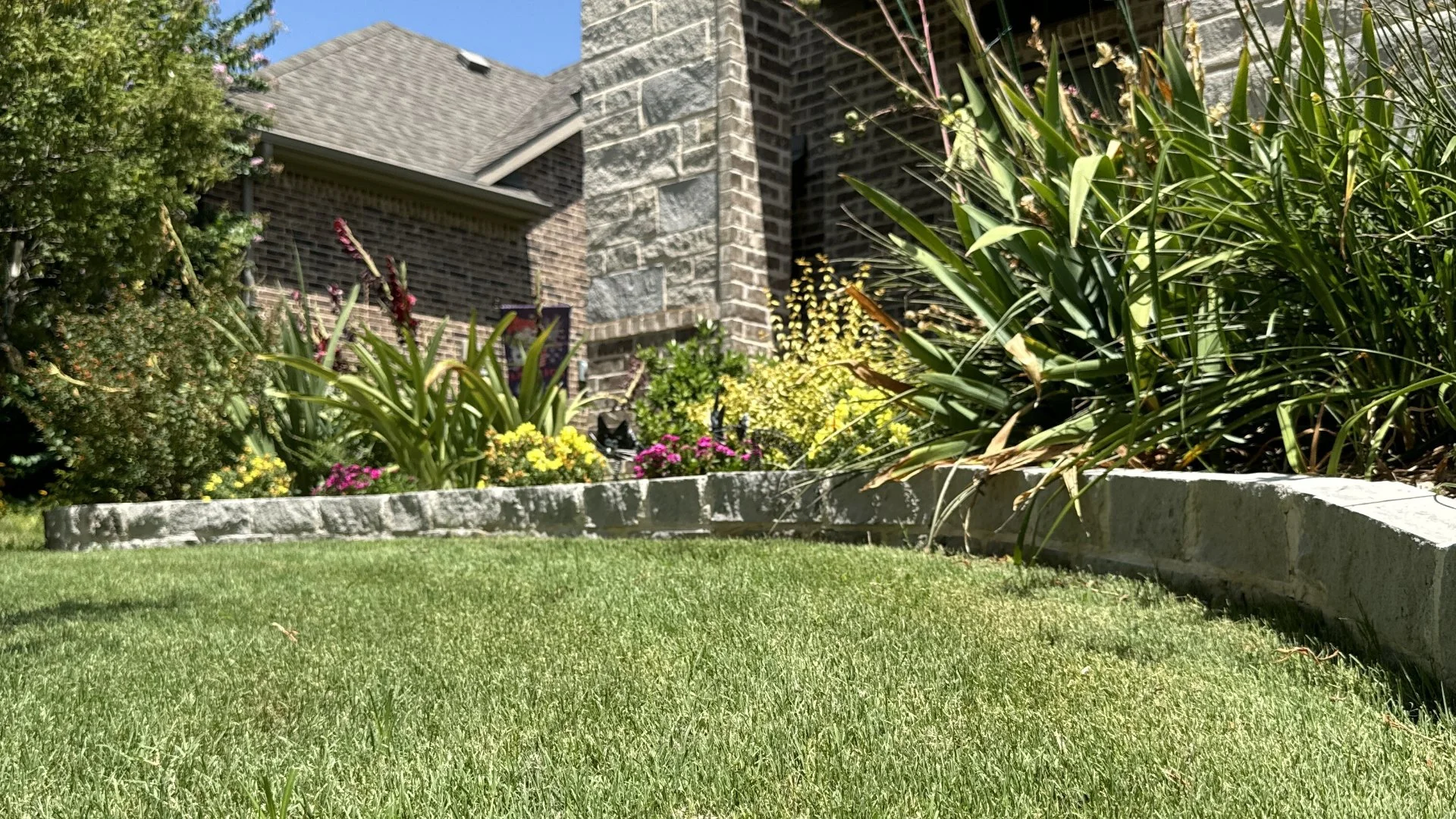
If your lawn turning brown has you dragging the hose out again and again, the problem may not be thirst at all. Brown grass does not automatically mean dead grass, and in hot Texas stretches like a late July afternoon in Waco or DFW, watering alone often misses the real issue.
Why your lawn is turning brown even when you water
A brown lawn usually means one of three things: stress, dormancy, or death. That sounds dramatic, but it actually makes the problem easier to sort out. Once you know which one you are looking at, you can stop guessing and start fixing the right thing.
Here’s the thing: grass is a lot like a person standing outside in August on blacktop. Even with water, heat, pressure, and poor conditions can still wear it down fast. In places like Cedar Creek, Dallas-Fort Worth, and Waco, long heat waves, clay-heavy soil, and pest pressure all make browning more common than most yard guides admit.
What brown grass usually means
Brown grass is not one single problem. It is a symptom, and the pattern tells you a lot.
Stressed grass is alive but struggling. It usually fades first, going dull green, gray-green, or patchy before it turns fully brown. Dormant grass has basically gone into energy-saving mode, often because of drought or intense heat. Dead grass is exactly what it sounds like, the plant is gone and will not bounce back.
Brown, dormant, or dead: how to tell the difference
Start with the simplest check: grab a few blades or runners and give them a light tug. If the grass resists and the crowns near the soil still seem anchored, your lawn may be dormant or stressed but still alive. If it pulls up easily with little or no root hold, that points more toward root damage or dead turf.
Color matters too. Dormant grass usually turns more uniformly tan or straw-colored. Stressed grass often looks uneven, with thin patches, brown tips, and faded areas mixed with green. Dead grass stays brittle and does not show signs of recovery even after conditions improve.
The most common reasons your lawn is turning brown
Most brown lawn problems come back to a handful of causes. The trick is spotting which one fits your yard instead of throwing every fix at it.
Your lawn is not getting water deep enough
A wet surface can fool you. Grass may look watered on top while the root zone a few inches down stays dry.
This happens a lot with short watering cycles, sloped yards, and hard clay soil. Sprinklers may also miss parts of the lawn, especially edges near sidewalks, fences, or driveways. If one strip always browns first, poor coverage is a strong suspect.
Heat and drought stress are overwhelming the grass
Texas heat can overpower a decent watering routine. Triple-digit days, dry wind, and reflected heat off concrete pull moisture out fast, especially in open yards with little afternoon shade.
That is why a lawn can look fine in the morning and rough by evening. The grass is losing water faster than the roots can replace it. The strip beside a driveway in DFW often shows this first because that concrete acts like a giant skillet.
Soil compaction is blocking water and air
Compacted soil is just hard-packed ground. It usually shows up where feet, pets, or equipment pass over the same spot again and again.
When soil gets packed tight, roots struggle to breathe, water stops soaking in well, and the lawn starts thinning out. Play areas, dog runs, and the path from the gate to the backyard are classic trouble spots.
Fungus could be the real problem
Lawn fungus often looks like drought at first, which is why so many people miss it. You water more, the lawn stays brown, and the problem spreads.
Common signs include circular patches, rings that look smoky around the edge, matted blades, or grass that stays wet too long after watering. If the damage has a pattern that looks too neat to be random, disease moves higher on the list.
Insects may be damaging the roots
Root-feeding pests can leave your lawn looking thirsty even when it is getting water. Grubs are a common example, but they are not the only culprits.
When roots are damaged, the grass cannot pull in moisture well. You may notice patches that peel back like loose carpet. That is a strong clue that the problem is below the surface, not above it.
How to diagnose the cause before you try to fix it
Before changing your whole watering schedule or buying treatments, take ten minutes and read the lawn like a map. The pattern usually gives away more than the color.
Check the pattern of the brown areas
Wide, even browning often points to heat stress, dormancy, or watering issues. Circular areas suggest fungus more often than not. Loose patches that lift up easily can point to grub damage or root loss.
Defined little spots near fences or patios may be chemical or pet related. Browning only along edges may mean sprinkler coverage is missing those sections.
Test the soil and root zone
Push a screwdriver into the ground. If it slides in fairly easily, moisture may be getting down where it needs to go. If it feels like you are trying to push into brick, compaction or bone-dry soil is likely part of the problem.
Dig down a few inches and check the moisture below the surface. If the top looks wet but the soil underneath is dry, your lawn is not getting a deep soak. While you are there, look at the roots. Sparse, shallow, or damaged roots tell a very different story than healthy ones.
Look at timing, shade, and traffic
Timing matters more than people think. Browning right after a heat wave suggests stress or dormancy. Browning after heavy rain can point toward fungus or poor drainage.
Location matters too. A backyard patch that bakes all afternoon in Waco may fail before the shady side yard ever shows stress. A narrow strip near the driveway in Dallas-Fort Worth often suffers from reflected heat and runoff at the same time.
Texas lawn factors that make browning more common
Generic lawn advice misses a lot of what happens in Texas. Local conditions change the way grass reacts, and that is why your yard may not respond the way an online tip says it should.
Warm-season grasses can go dormant fast
Bermuda, St. Augustine, and Zoysia all handle heat differently. Bermuda usually bounces back fast but can go off-color under drought stress. St. Augustine struggles more in intense heat and poor drainage, and it often shows stress in broad patches. Zoysia can look tough, but it still slows down and browns when roots stay shallow or compacted.
If your lawn is one of these warm-season types, some summer browning may be dormancy rather than death. That is a big difference.
Clay soil and water runoff create hidden dry spots
Texas clay is tricky. It can look wet on top and still be hard underneath.
When water runs off instead of soaking in, some parts of the lawn get enough while others stay dry. That is why one section may stay green while another turns brown, even during the same watering cycle.
Long heat waves change the rules
During a long stretch of extreme heat, your lawn may need fewer stressors more than more water. Mowing too low, fertilizing at the wrong time, or keeping the lawn constantly wet can all backfire.
A hot late afternoon can undo what looked perfectly fine that morning. That is normal in Texas, and it is one reason brown grass can seem to show up overnight.
When brown grass needs professional help
Some lawn problems are simple. Others keep circling back because the real cause is hidden below the surface.
Signs the problem is spreading fast
If brown patches are expanding week by week, returning after watering changes, or showing up in new parts of the yard, it is time to stop experimenting. The same goes for fungus that keeps coming back or turf that lifts easily because the roots are failing.
Fast spread usually means the issue is active, not just leftover stress.
When pest control and lawn care overlap
Some brown lawn problems are really insect problems with grass symptoms. Others are irrigation, disease, or soil problems that just happen to look like pest damage.
That overlap matters. If your yard in Cedar Creek, Waco, or DFW has browning plus thinning roots, chew marks, or peel-up patches, a combined lawn care and pest control check is often the fastest way to get the right answer.
Common questions about a lawn turning brown
A few questions come up almost every time a lawn starts fading.
Can brown grass turn green again?
Yes, if the grass is dormant or stressed but still alive. Recovery is common once watering, compaction, mowing, or disease issues are corrected. If the turf is dead and the roots are gone, those sections usually need replacement.
Should you water brown grass every day?
No. Daily watering is usually the wrong fix because it keeps roots shallow and can encourage fungus. Deep, less frequent watering is far better for most Texas lawns.
Why is only part of your lawn brown?
Partial browning usually points to uneven sprinkler coverage, shade differences, pet spots, compaction, fungus, or insect pockets. When the problem is limited to one section, pay close attention to what is different about that spot.
Will rain fix a brown lawn?
Only if dryness is the real cause and the soil actually absorbs the rain. If the ground is compacted, roots are damaged, or fungus is involved, rain alone will not solve much.
How long does it take for brown grass to recover?
Mild stress can improve in a week or two. Dormant grass may take longer, especially during ongoing heat. Fungus, pests, and dead turf take more time because the cause has to be fixed first, and some areas may need repair instead of recovery.
The one thing to try before anything else
Before adding more water, changing products, or blaming the weather, check the soil a few inches down and tug on the grass. That quick test tells you whether your lawn is thirsty, stressed, dormant, or losing roots, and that is the difference between a fast fix and a month of frustration.
Disclaimer: This article is for general informational purposes only. It is not professional advice, a quote, or a service agreement. Conditions at your home or property may differ; contact a qualified professional for an on-site evaluation before making repair, safety, or spending decisions.