Peak heat changes how a North Texas property behaves both above the soil and along the foundation. When afternoon temperatures sit high for days, crawling insects look for cooler, damper edges and often press toward shaded brick, door tracks, and garage thresholds. At the same time warm season turf runs on stress, fading in open sun while shaded strips still look fine. This is a plain read for homeowners in Plano, Arlington, and the wider Dallas Fort Worth service area on how those two stories connect during the hottest stretch of the year.
Use it after you sort a first symptom with the peak summer yard symptom quiz, or read it beside the peak summer lawn and perimeter guide when you want the longer map. Keep a phone album of what you see so a technician starts from your lot instead of a generic plan.
Why sustained heat pushes pests toward the foundation
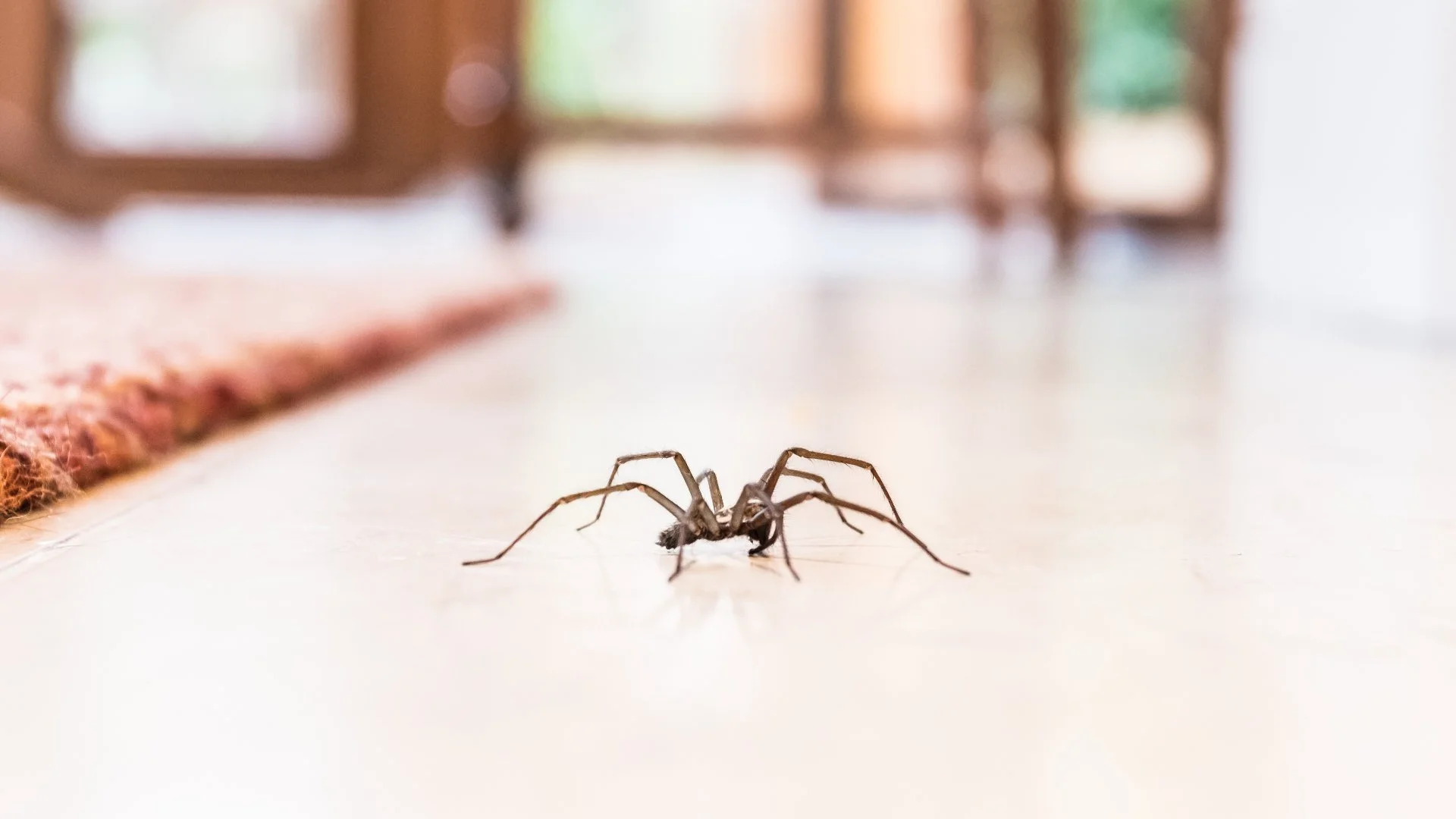
When open ground bakes, spiders, ants, crickets, and other crawlers follow moisture and shade. The band of soil beside the slab, mulch pressed against siding, and the cool air near a garage door all read as relief to an insect that would dry out in the middle of the lawn. That is why indoor sightings often climb in the same weeks the yard looks driest. The bugs are not multiplying in the living room. They are staging at the edge and slipping through the nearest gap.
Pull mulch back a few inches from brick, trim plants that touch the wall, and keep storage bins off damp concrete so those staging corners stay less inviting. Structured perimeter pest control adds exterior treatments along the same lines. When webs and egg sacs collect under eaves and around windows, review spider control, and when trails follow the slab into the kitchen, read ant control before you chase them one room at a time.
Read the lawn before you overwater the fix
Warm season Bermuda and Saint Augustine both fade under sustained heat, but they fade in patterns. South facing strips and edges beside pavement usually thin first while north shade holds color. Compare similar exposures instead of judging the whole yard from one corner. A strip that looks scorched at the curb may simply be the hottest part of the lot doing what it does every summer.
Not every brown patch is thirst. Peel a small edge of weak sod where the canopy feels spongy and look for larvae or chewed roots. Birds working the same band each morning are another reason to look below the surface. Match visual clues with lawn insect control before you add another product, and keep short storms in their own column with the note on afternoon storm water ribbons on clay lawns. If water sheets off packed clay every time, ask about core aeration so future rain soaks in instead of running to the street.
Mowing habits matter as much as water during the hottest weeks. Raise the deck a notch so longer blades shade the crown and the soil holds moisture between runs, and keep the blade sharp so cuts heal instead of fraying into a gray cast that reads like drought from the porch. Water deep and less often in the early morning so the surface dries before dusk. That timing also gives crawling insects fewer damp daytime hiding spots against the slab, while short evening sprinkles keep the foundation band moist right when pests are hunting for relief.
Work the perimeter as its own route
While turf gets attention, the house edge deserves a separate lap. Damp corners that stay shaded through the afternoon, saucers under potted plants, and clogged gutter lines all hold water long enough to feed mosquitoes that rest in the same shrubs each evening. When dusk bites follow the same borders week after week, read mosquito control and empty containers that hold water for more than a day.
Screens, weatherstrip, and door sweeps do quiet work during the dog days. A garage threshold that no longer seals or a gap under a back door becomes the easiest path indoors once the edge is crowded with staging insects. Walk the perimeter at the same hour you see the most activity and mark every spot where daylight shows through a gap. Those small fixes often trim indoor sightings more than another product pass around the yard.
Note where sightings and bites cluster before you call. A short list of corners, dated photos, and the time of day each problem shows up tells a technician far more than a general complaint that the yard has bugs. The perimeter route and the lawn route can share one visit when the pattern is clear, which keeps peak heat from turning into a string of separate Saturdays.
Line up work for your city and calendar
Plano and Arlington lots share red clay and warm season grass with much of the metroplex, yet shade, slope, and irrigation age still differ street by street. SureGuard routes lawn and pest work across Dallas Fort Worth, Waco, Cedar Creek, Mabank, and nearby communities. Write down what each phase showed before you call, then contact SureGuard and share that short list.
Sustained heat gets easier when you treat the yard and the foundation as two connected routes rather than one pile of weekend chores. Lawn color, foundation crawlers, and evening mosquitoes rarely need the same tool on the same day, but they often belong on the same calendar. Start with the story that matches what you photographed this week, then let the rest wait for its turn.