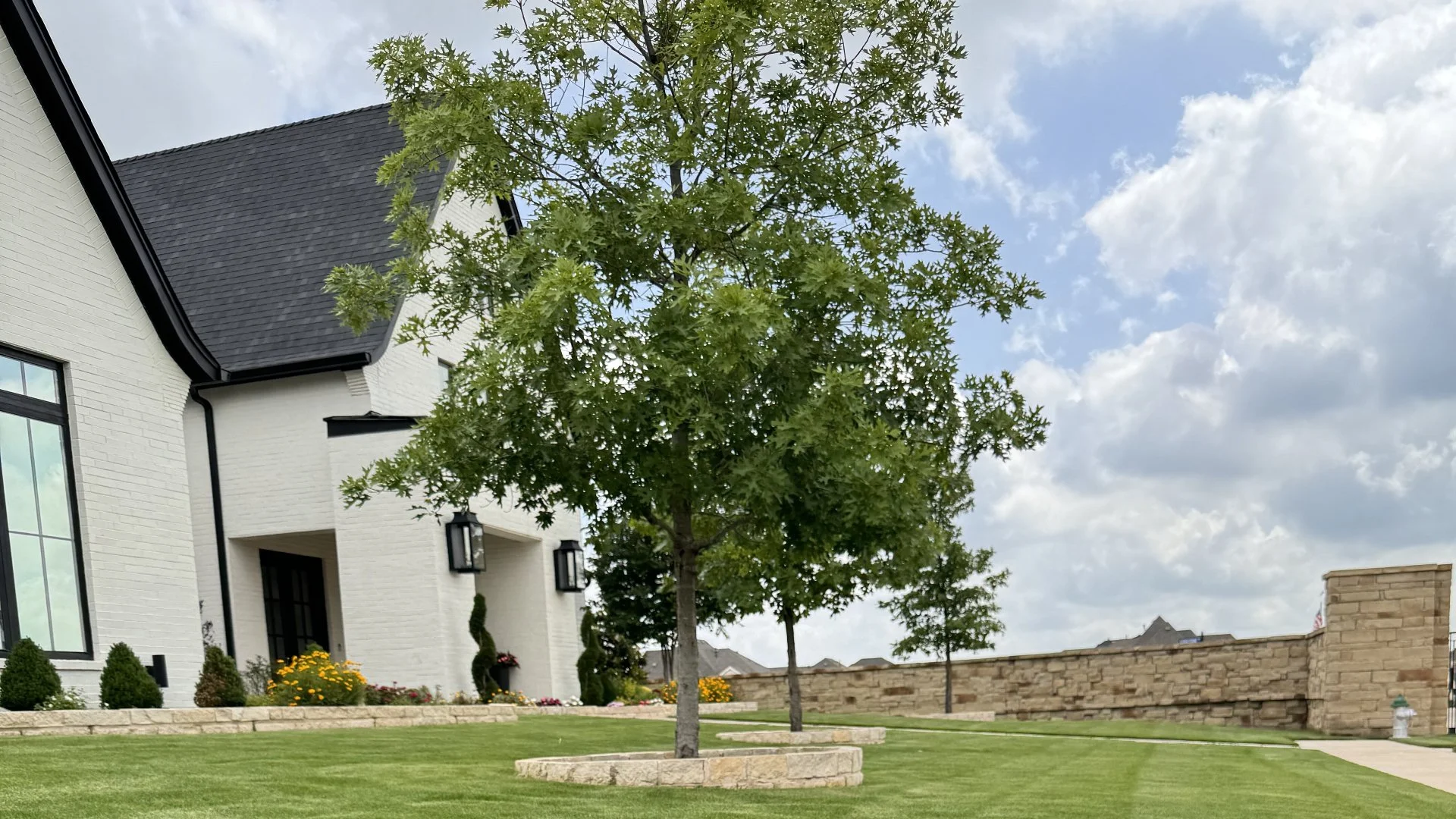
Late April skies over Collin County and Denton County look friendly enough for a patio dinner, yet the first serious thunder week is closer than the pollen count suggests. Oaks and cedar elms that looked fine in winter now carry full canopies that catch wind like a sail. This is the week to walk property lines with binoculars and honest questions about cracked limbs, included bark, and old wounds that never fully closed.
What to scan before leaves hide detail
Look up into the union of major limbs. Two strong leaders with tight angles often signal included bark that weakens over years. Note hangers still attached by thin fiber, especially after March hail. Compare one tree to others of the same species on the lot. If one looks thinner or off color, mention it early because stress and structure problems often travel together.
Where soil and mowing meet roots
Construction traffic years ago may have cut roots on one side only. That asymmetry shows up in tilt or uneven crown fill. If you recently changed grade or installed a pool deck, say so before pruning plans are set. Soil stability matters as much as the cut list. Tie this walk to bare patches after winter when turf below the canopy also looks thin from shade and traffic.
Pruning goals that respect the season
Removing deadwood is different from lifting entire sides of the canopy for a view. April trimming should reduce risk without shocking trees right before heat. When you want service level detail, browse tree and shrub care for how SureGuard approaches plant health visits alongside turf programs.
When cabling belongs in the talk
Historic live oaks in older Fort Worth neighborhoods sometimes benefit from cables or braces when a split is stable enough to manage but not safe to ignore. That decision belongs with an onsite evaluation, not a message board guess. Document cracks with dated photos after each storm so progress is visible year over year.
Pests and trees share edges
Woodpecker lines on one face can mean insects in cambium layers, or soft wood from moisture. Ant trails on trunks may point to honeydew producing insects higher in the crown. Mention both to your technician so plant health work and pest routes stay coordinated through pest control when needed.
How SureGuard helps you prioritize
We serve wide areas around Dallas Fort Worth with lawn, pest, and plant programs designed to stack sensibly. Use contact after your walk to share photos and notes. If turf under the tree is the bigger worry, start from the lawn care overview and ask for a joint plan that respects shade patterns.
Neighbors and shared fences
Leaners toward a neighbor fence create liability questions and pruning access limits. Early conversation beats August emergencies when crews are booked and heat limits recovery.
Closing thought
Trees reward slow observation. Late April gives you enough leaf to see stress yet enough time to schedule work before peak storm season. Write a short list, take photos, then call.
Power lines and street trees
If a limb grows toward service drops, document it for your utility and your arborist. Pruning near conductors belongs with people trained for clearance rules, not weekend ladder courage.
Mulch volcanoes at the base
Deep mulch against trunks traps moisture and hides decay that matters for stability. Pull mulch back before you assume a lean is only wind related.
Species mix on one lot
When post oaks, red oaks, and ornamental pears share a fence line, wind moves each crown differently. Note which tree sways more in a breeze and whether roots lift the same sidewalk panel every year.
Seasonal expectations
April pruning should reduce risk, not chase a perfect silhouette. Save heavy reshaping for windows your arborist names after seeing growth rate on your site.
Lightning history on the block
If neighbors lost limbs last summer, your lot may share exposure patterns. Mention it when booking so crews factor wind channeling between homes.
Aftercare watering when wood is removed
Removing a large limb changes sun and wind on remaining branches. Turf below may need temporary shade relief or irrigation tweaks while the canopy relearns balance.
Insurance photos without drama
Date stamped photos of cracks and hangers are useful if summer storms arrive early. They are not a prediction of failure, just a practical record.
Play structures and swing paths
Kids load limbs unevenly over time. Note any limb that arches toward a swing set or zip line anchor. Movement plus weight is a different stress than wind alone.
Driveway root lifts
Concrete panels that tilt toward the trunk can signal root flare issues or past grade changes. Mention trip hazards when you schedule a walk so visits include practical access planning.