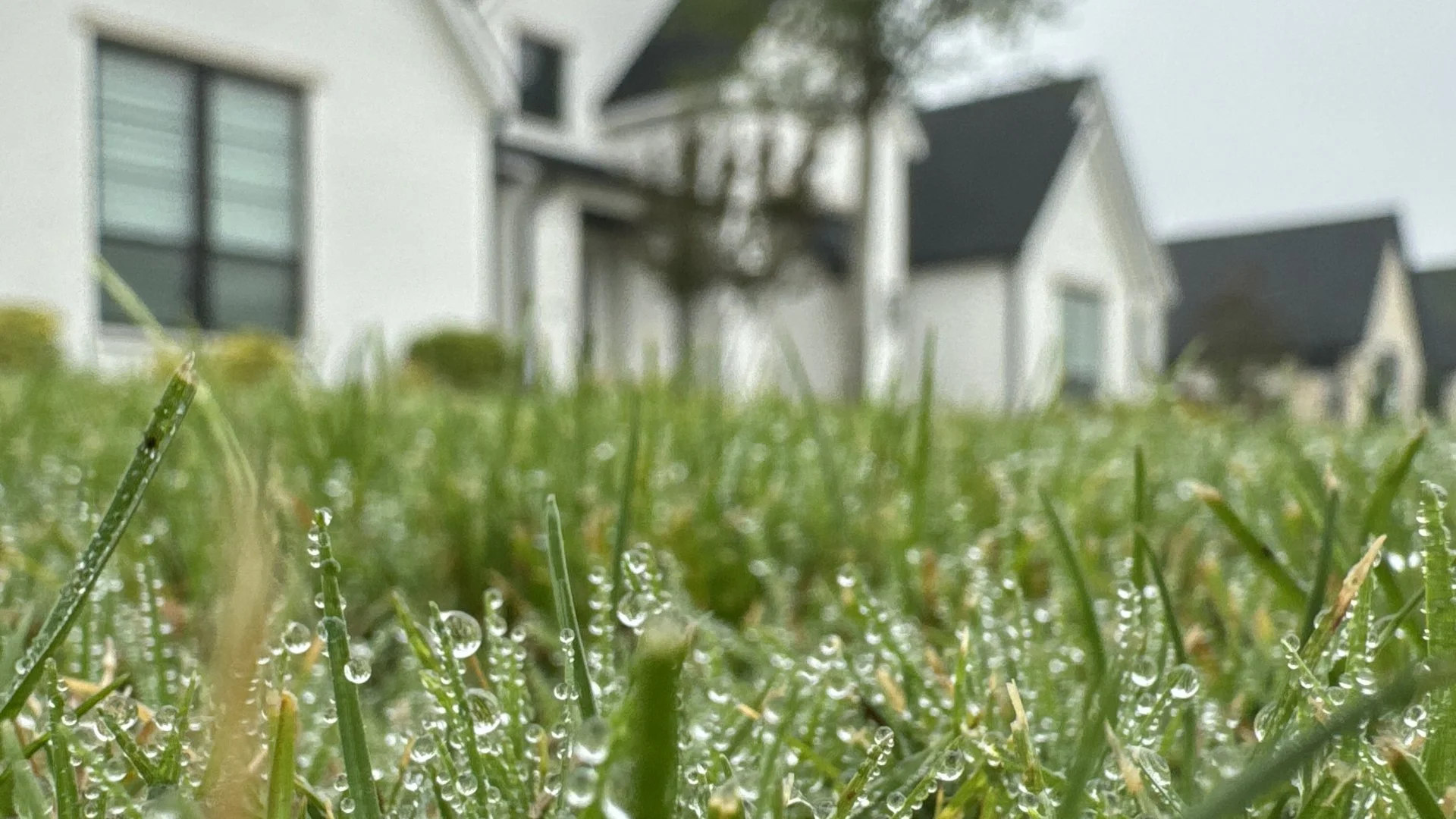
You rake, you water, and the rest of the lawn greens up while the same oval near the oak or along the driveway stays thin. That pattern is common around Dallas Fort Worth where clay soil, shade, and winter traffic stack on top of each other. Bare patches are not always a mystery disease. Often they are a signal that seed never touched workable soil, roots could not breathe, or the grass type in that microclimate never matched the rest of the yard. This article explains how warm season repair thinking fits North Texas without turning the topic into a do it yourself chemistry experiment. When you want hands on help, SureGuard offers overseeding, new lawn seeding, aeration, fertilization, and full lawn programs across the communities we serve.
Why bare patches outlast a single cold snap
Winter itself rarely kills a full healthy crown of Bermuda or Saint Augustine in one night. What winter does is shrink the grass that was already stressed. Thin areas under trees lose sun when canopies leaf out. Pet paths stay compacted while rain puddles on the surface. Construction fill or buried debris can create dead zones that look fine until roots try to expand. Before you buy another bag of seed, decide whether the problem is lack of plants, lack of soil contact, or lack of airflow and water movement. Our piece on brown patches while the rest greens up helps separate dry spots from other turf stress patterns you might be seeing at the same time.
Soil contact beats sprinkling seed on hard clay
Grass seed sitting on a crusted lane after a hard rain is bird food, not a lawn plan. Scratching the surface with a rake for thirty seconds does not change deep compaction. Real contact means loosening enough of the top layer for moisture to sit next to the seed without drowning it. For small spots, hand cultivation can work if you stay patient. For larger zones or repeat problems, mechanical aeration opens channels that water and roots can use for weeks after the visit. Read the spring core aeration guide for how that service fits clay soils. Pair that idea with thatch basics so you know when organic buildup is blocking water before it ever reaches soil.
When overseeding matches the lawn you already grow
Overseeding is not a universal fix. It works when the existing grass and the seed you choose share the same general season and light needs. Throwing cool season ryegrass into a struggling Saint Augustine lawn in late spring often creates a clash of growth speeds and watering demands. Warm season overseeding or renovation belongs on a calendar that matches Bermuda, Zoysia, or whatever you already maintain. The goal is to add plants where crowns are missing, not to paint green over compacted clay. SureGuard describes material choices and timing on the overseeding service page, which is a useful read even before you schedule.
New lawn seeding versus patching small zones
Brand new sections after pool decks, utility trenches, or patio expansions behave differently than a fist sized thin spot. Larger bare soil may need grading for gentle slope, starter watering that is frequent but light at first, and a plan for when to shift to deeper schedules. Smaller patches inside mature turf may only need spot repair after aeration and a modest topdressing plan discussed with a professional. Compare your situation with the options outlined on new lawn seeding so you know which conversation to start with your lawn provider.
Aeration and thatch as gatekeepers for new growth
Skipping aeration on a hardpan backyard and expecting seed to establish is like planting in a sealed jar. Aeration does not replace soil amendments every time, yet it is often the bridge between “we tried seed once” and “the new grass actually rooted.” Thatch thicker than what your grass type tolerates can also block seedlings from reaching mineral soil. If you see spongy brown thatch when you part the turf, address that layer before you invest in more seed. The articles linked above cover both topics in plain language for North Texas yards.
Feeding after repair without rushing the calendar
Fertilizer supports new growth, yet the wrong product applied too early can burn tender seedlings or push blade growth faster than roots can anchor. A measured approach tied to soil temperature and grass species beats a single heavy application the day after seed goes down. For a broader view of how feeding fits the year, read lawns in Texas and fertilization timing. Service detail lives on lawn fertilization within the Dallas Fort Worth lawn care section.
Working with a local program in Dallas Fort Worth
Bare patches are a symptom, not a brand. The fix is a sequence: open the soil or manage thatch, choose seed or sod that matches your lawn, water on a schedule you can keep, and fold weed control in without smothering new plants. SureGuard teams route visits for properties from Frisco to Arlington and beyond with those steps in mind. Start with the full lawn care overview, then contact us when you want eyes on the exact soil, shade, and traffic pattern in your yard.